How to count calories in Indian food
The short answer
Count Indian food by portion, not by gram. Log what your kitchen actually serves, one katori of dal, two rotis, a plate of biryani, and let the app convert to calories behind the scenes. Accept ranges instead of chasing false precision, and log every day rather than logging perfectly.
Key takeaways
- Indian food is cooked in shared vessels and served in portions, so gram-based tracking fails on day one.
- Log in the units your kitchen uses. Katori, roti, piece, plate, glass.
- Oil and ghee are the single biggest source of error in a home-cooked log. Estimate the cooking fat once per dish and reuse it.
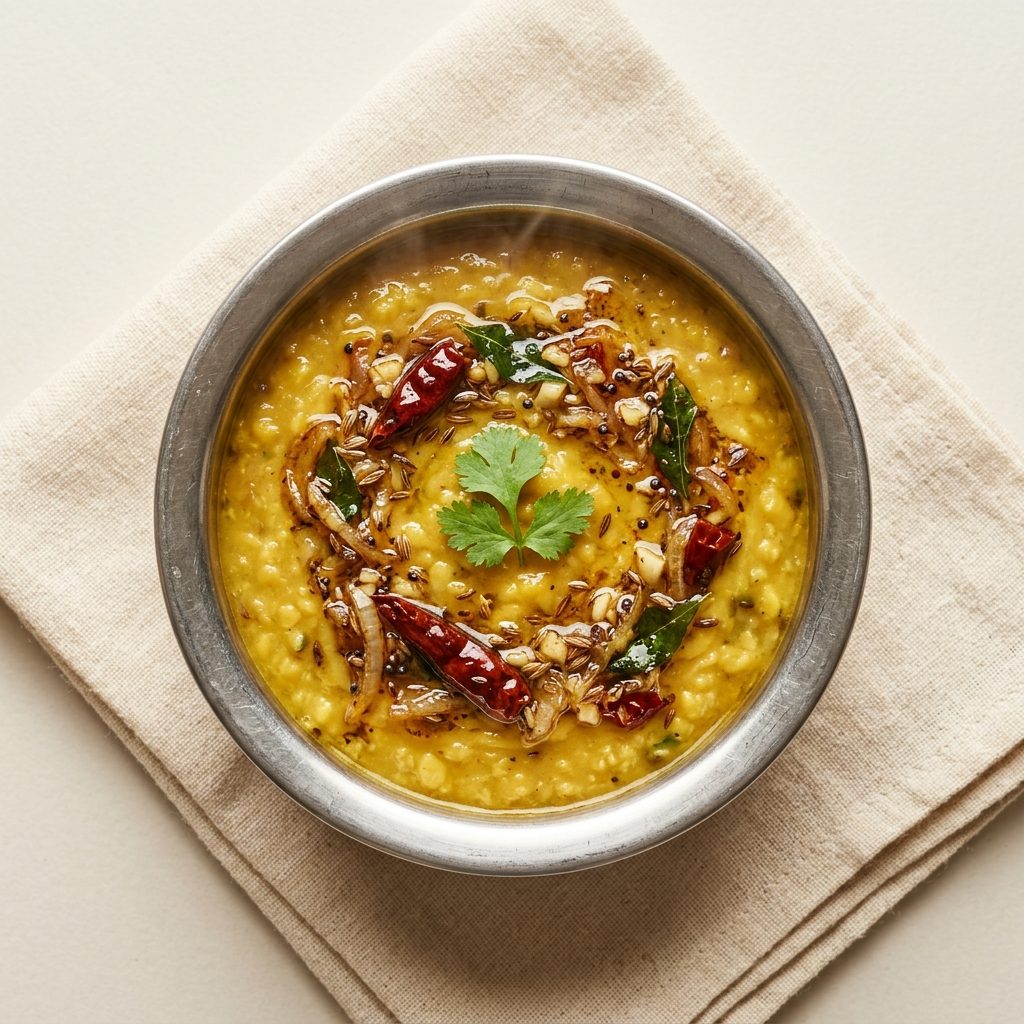
- Ranges are honest. A katori of dal is 100 to 180 calories depending on the dal and the tadka, and no app can narrow that without seeing your pot.
- Consistency beats accuracy. A log that is 85 percent right every day tells you more than a perfect log kept for four days.
Every calorie tracker was designed around a plate of grilled chicken, a cup of rice and a side salad. Three separate items, each weighed, each logged. Then you sit down to rajma chawal cooked in a pressure cooker for five people and the whole model falls apart.
It is not that Indian food is impossible to track. It is that most tools ask the wrong question. They ask how many grams. Your kitchen answers in katori.
Start with portions, not grams
Nobody weighs dal at the dinner table. Nor should they have to. Indian households already run on a set of consistent measures, and they are good enough to track against:
- Katori. The standard steel bowl. Most Indian homes use one holding roughly 150 to 200 ml, which is a serving of dal, sabzi, curd or kheer.
- Roti or chapati. One piece. Size varies by house but stays consistent within a house.
- Serving spoon. The karchi used for rice or sabzi, usually 60 to 80 g of cooked food.
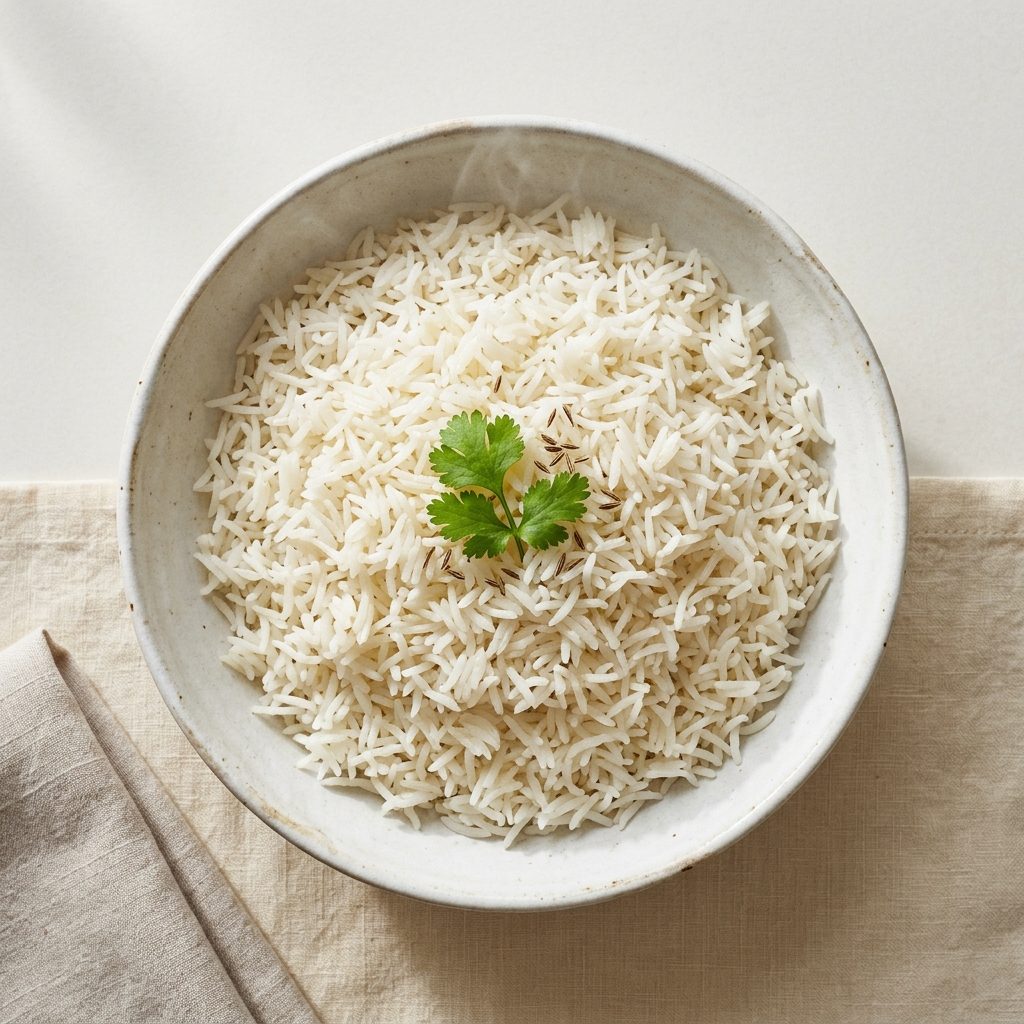
- Plate. For composite dishes like biryani, pulao or khichdi.
- Glass. For chaas, lassi, juice and milk.
The one thing worth doing is calibrating your own katori once. Fill it with water, pour it into a measuring cup, and note the volume. That single measurement makes every future dal entry more accurate, and you never have to touch a scale again.
Log finished dishes, not ingredients
There is a version of calorie tracking where you log the onion, the tomato, the two teaspoons of oil, the rajma and the salt separately. It is accurate. It also lasts about eleven days before you quietly stop.
Log the dish. Rajma is rajma. Chole bhature is chole bhature. A good Indian food database already knows the typical recipe ratios behind that dish, so the conversion happens without you doing arithmetic at the dinner table.
Ingredient-level logging is worth it exactly once: for the dish you batch-cook every Sunday and eat four times a week. Get that one right, save it, and reuse it.
Deal with the oil honestly
Here is where home-cooked logs actually go wrong, and it is never the dal.
A tablespoon of oil or ghee is roughly 120 calories. A tadka that looks modest can carry two of them. Two spoons of extra ghee across a day is 240 calories, which over a month is the difference between a deficit and a plateau.
You do not need to measure it every time. Do this instead:
- Watch how much oil actually goes into your regular sabzi one time.
- Divide it by the number of servings the pot produces.
- Treat that as your standing per-serving cooking fat.
Most Indian home cooking lands somewhere between half a teaspoon and one and a half teaspoons of fat per serving. Restaurant and dhaba food runs much higher, often double or more, which is the real reason eating out reads so differently in a log.
Accept ranges, reject false precision
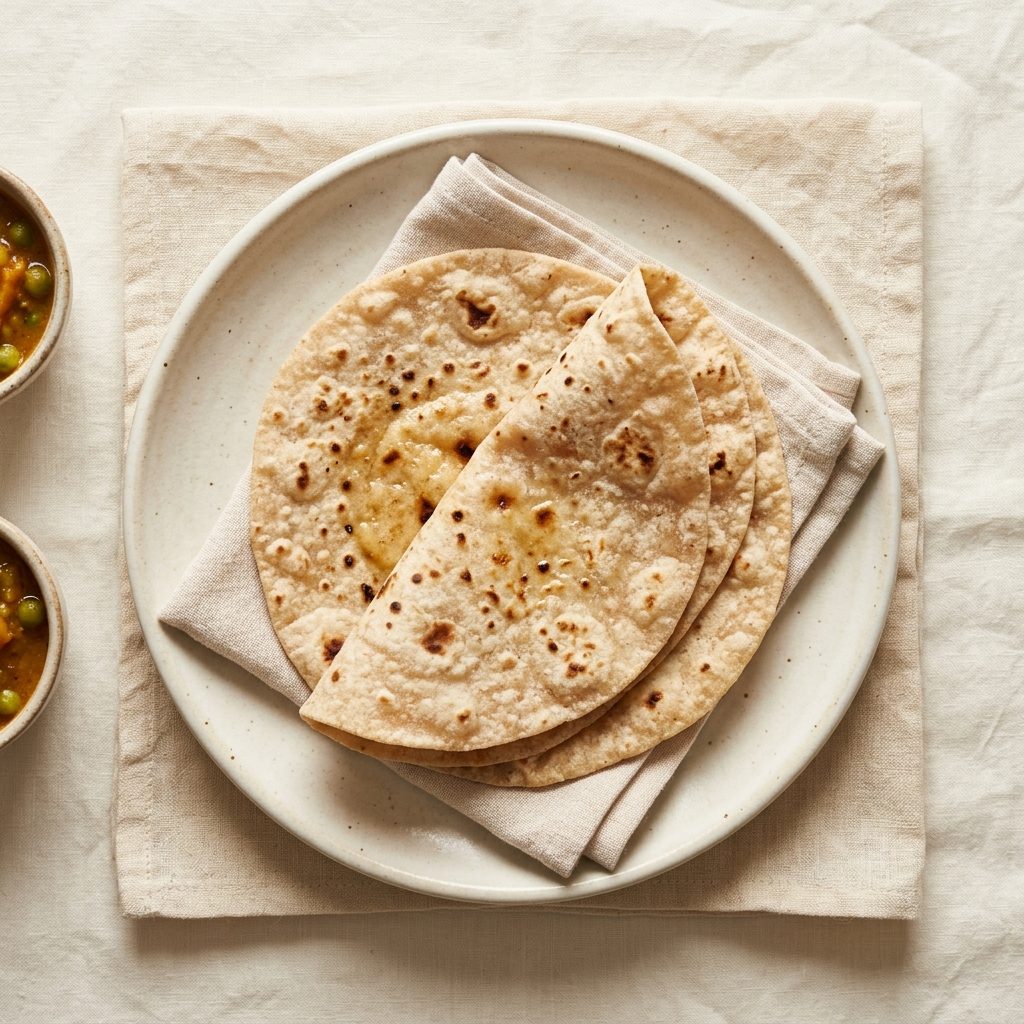
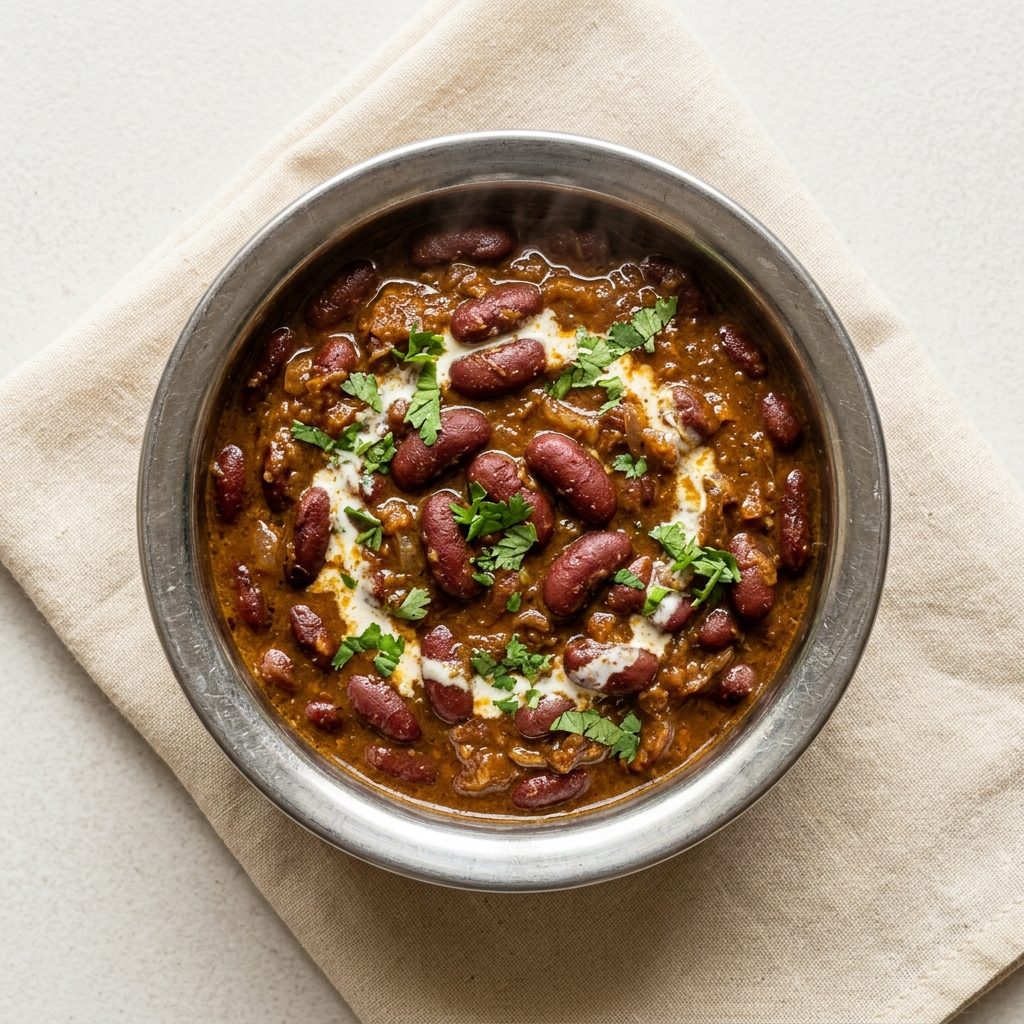
A plain home-made roti is typically 80 to 110 calories. A tandoori roti brushed with ghee can reach 150 or more. A katori of home-style dal is usually 100 to 180 calories, and richer preparations like dal makhani or rajma sit closer to 200 to 250.
An app that shows you 137 calories for your dal is not being more accurate than one showing 100 to 180. It is being more confident, which is a different thing entirely.
Indian recipes vary enormously between kitchens. The same dal is thinner in one house and loaded with cream in another. Anyone publishing a single authoritative number for it is guessing with better typography. Sehat keeps a confidence level and a source note on every entry instead, so you know when a figure is solid and when it is an estimate.
What matters is that your estimate is consistently wrong in the same direction. If your dal entry runs slightly low every single day, the trend still tells you the truth about whether you are gaining or losing.
Handle the composite dish problem
Indian food loves the all-in-one plate. Biryani, khichdi, pulao, bisi bele bath, pav bhaji. There is no clean way to split them into components, so do not try.
Log them as one dish, by plate or by katori. A good taxonomy already models these as composites with their own portion conversions. This is exactly the case where ingredient logging wastes twenty minutes and produces a worse number than simply logging one plate of hyderabadi biryani.
Build the habit before you chase the number
The order matters, and most people get it backwards. They start with a perfect log and abandon it in week two.
Try it this way instead:
Week one. Log everything, badly. Do not look up precise entries. Do not skip a meal because you are unsure. An approximate entry beats a missing one every time.
Week two. Calibrate. Measure your katori. Work out your cooking oil per serving. Save your five or six repeat meals so they are one tap.
Week three onwards. Log within a few minutes of eating, not at midnight. This is the single habit that separates people who track for years from people who track for a fortnight. Voice logging helps a lot here, because saying aaj lunch mein do roti aur ek katori rajma takes four seconds and typing it takes forty.
What good tracking actually looks like
You will know it is working when logging stops feeling like data entry. Your regular meals are saved, your portions are second nature, and the number at the end of the day is roughly right rather than exactly wrong.
You are not aiming for a perfect record. You are aiming for enough signal to answer one question: over the last three weeks, am I moving in the direction I want.
That is all a calorie count is for.
Calorie figures on this page are typical ranges, not lab values. Indian recipes vary enormously between kitchens, so a number that is right for one house is wrong for the next. Sehat keeps a confidence level and a source note on every entry rather than pretending a single figure is the truth. This is general information, not medical advice.
Common questions
Can you count calories in Indian food without weighing it?
Yes. Indian meals are served in consistent household units, so a katori, a roti and a serving spoon are reliable enough to track against once you know roughly what they hold. Weighing helps for the first week if you want to calibrate your own katori, but it is not required afterwards.
How accurate is calorie counting for home-cooked Indian food?
Expect to land within roughly 10 to 15 percent of the true figure. The main variables are how much oil or ghee went into the pan and how big your household portions are. That margin is fine for fat loss or muscle gain, because the trend across weeks matters far more than any single day.
Should I log ingredients or finished dishes?
Log finished dishes. Ingredient-level logging is accurate but nobody sustains it past a fortnight. Log rajma as rajma, not as rajma plus onion plus tomato plus oil. Save ingredient logging for a dish you cook in bulk every week and want to get exactly right once.
How do I count calories when I eat at home with family?
Serve yourself first, note the number of katori and rotis on your plate, and log it before or straight after the meal. Shared bowls only become a problem if you try to reconstruct your share from the whole dish afterwards, which is guesswork.
What is the best app for counting Indian food calories?
Pick one that holds real Indian dishes in real Indian portions and that resolves the many spellings of a dish name. Sehat was built for exactly this, with over 10,000 foods and spellings, Hinglish voice logging, and no sales calls.
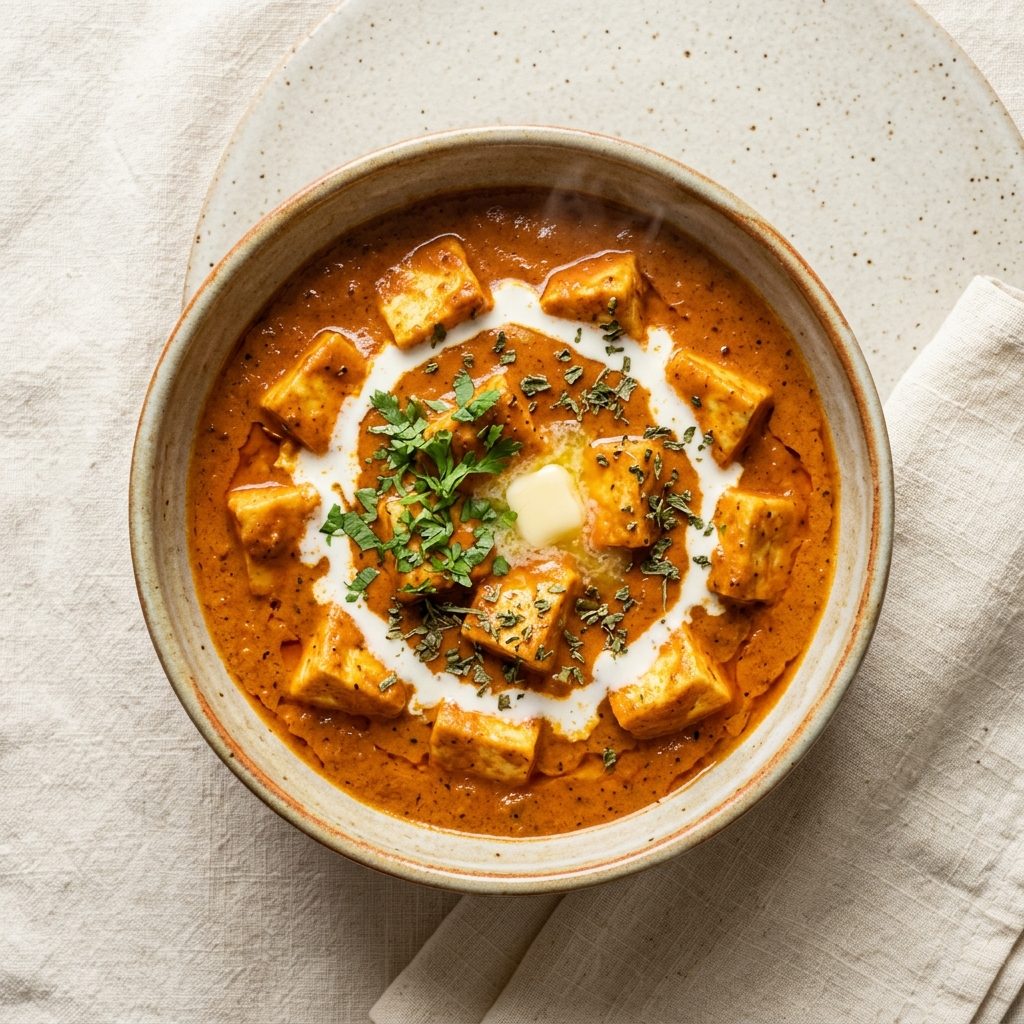
Dishes mentioned
In the app
All of this, without the arithmetic.
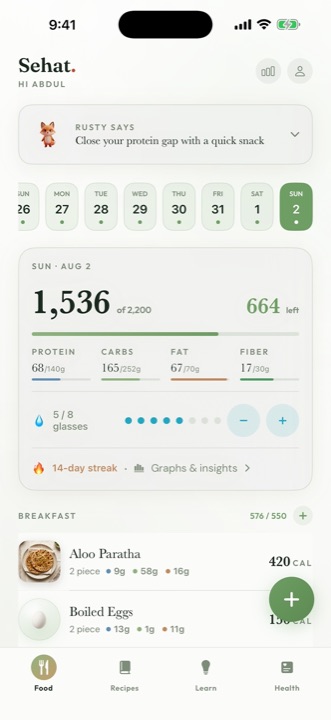
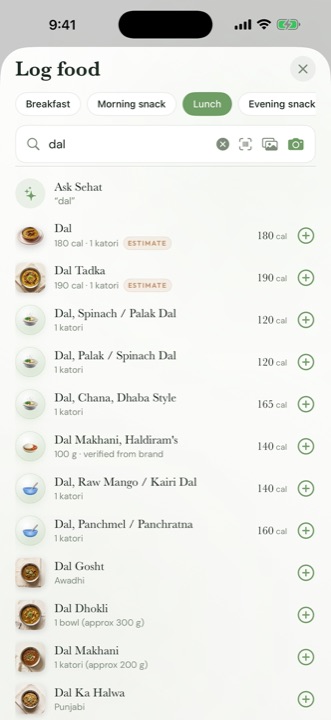
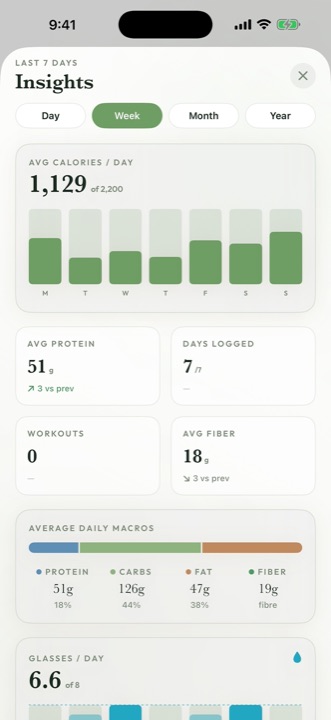
The world's most complete Indian calorie counter.
Over 10,000 foods and spellings.
Log dal, roti and biryani by voice, in Hinglish, in the portions your kitchen actually uses. An AI coach reads your day and guides you. No coaches. No calls. No spam.
Download free on the App StoreAndroid is on the way.
Calorie tracking
How many calories are in a roti?
A plain home roti runs 80 to 110 calories. Why the range is wide, how atta and size change it, and how phulka, tandoori roti and laccha paratha compare.
Indian food
A practical guide to Indian portion sizes
What a katori, a karchi and a plate actually hold, how to calibrate your own bowl with water, and what one serving of dal, sabzi, rice and curd looks like.
Calorie tracking
Seven calorie tracking mistakes that quietly ruin an Indian food log
Untracked ghee, four cups of chai, a generic dal entry and invisible weekends. The seven errors that make an Indian calorie log wrong, and the fix for each.