Seven calorie tracking mistakes that quietly ruin an Indian food log
The short answer
The seven most common errors in an Indian food log are untracked cooking oil and ghee, uncounted chai, logging a generic dal instead of the actual preparation, ignoring weekends, guessing restaurant portions, logging at midnight from memory, and chasing precision instead of consistency.
Key takeaways
- Cooking oil and ghee are the single largest source of error in a home-cooked log. One tablespoon is roughly 120 calories.
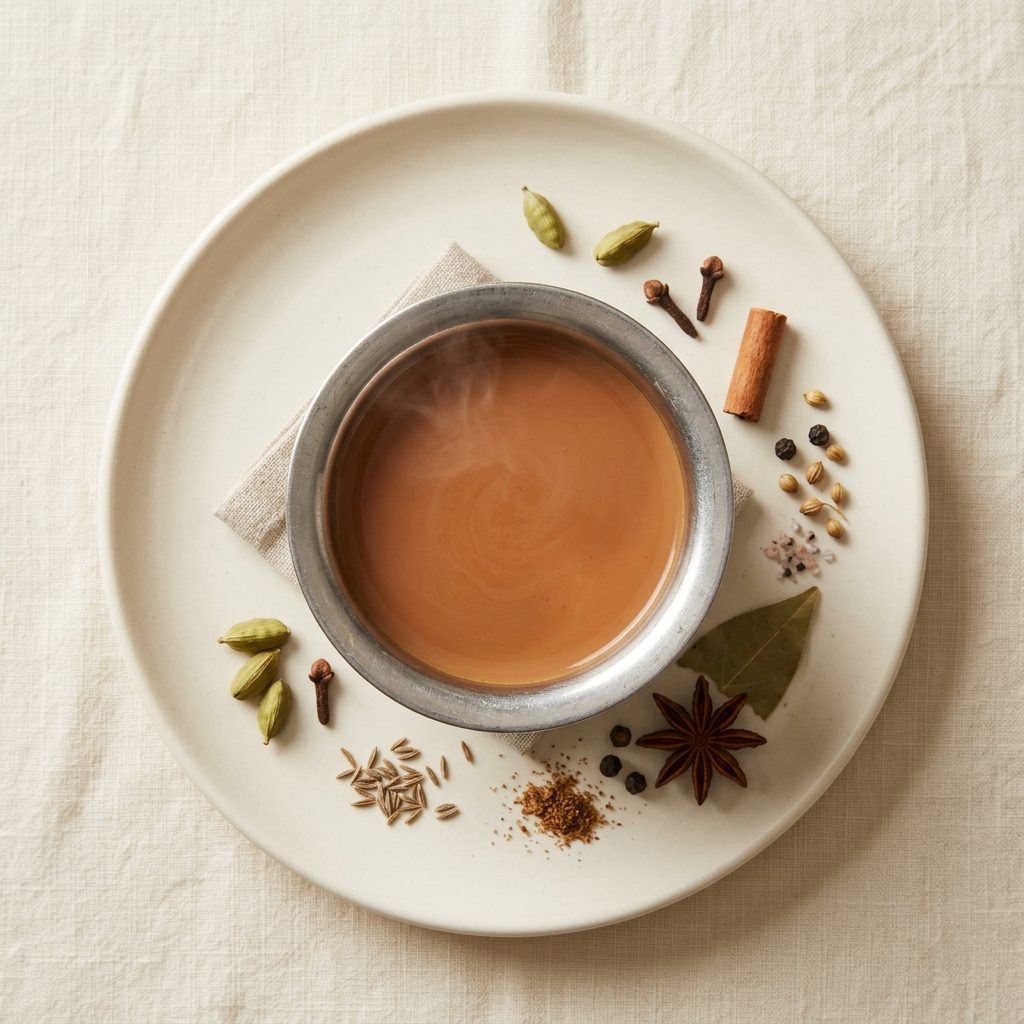
- Four or five cups of chai with sugar and milk can add 250 to 500 calories a day, and almost nobody logs them.
- Two untracked weekend days a month can absorb an entire month's deficit.
- Logging at midnight from memory loses whole items, and the ones that go missing are rarely the small ones.
- A log that is 85 percent right every day beats a perfect log kept for four days.
The log says 1,700. The scale disagrees.
This is the most common situation in calorie tracking, and it is almost never a metabolic mystery. Research on self-reported intake finds people routinely underreport by twenty to forty percent, and they do it sincerely. Nobody is hiding samosas from their own diary.
An Indian food log has a specific set of leaks. Here are the seven that do the most damage, and what to do about each.
1. The cooking oil never makes it into the log
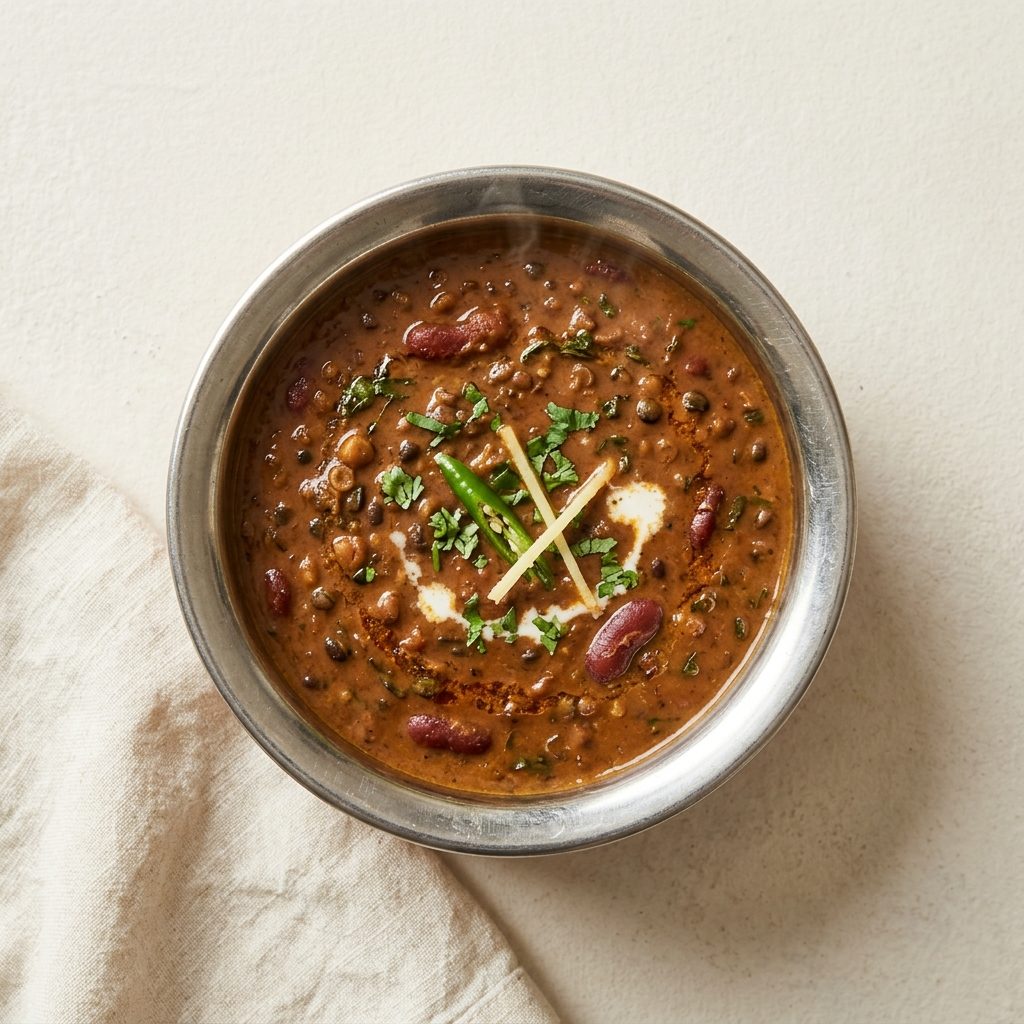
You logged the dal makhani. You did not log the two tablespoons of ghee and the cream that made it dal makhani.
This is the biggest error in home-cooked tracking by a distance. A tablespoon of oil or ghee is roughly 120 calories. A proper tadka carries one to two. Across a day of sabzi, dal, rotis brushed on the tawa and a paratha at breakfast, the cooking fat in an Indian kitchen commonly accounts for 300 to 600 calories that appear nowhere in the diary.
The fix. Measure once, not every day. Watch how much oil actually goes into your regular sabzi, divide by the number of servings the pot produces, and treat that as a standing per-serving figure. Most home cooking lands between half a teaspoon and one and a half teaspoons of fat per serving. Restaurant and dhaba food runs at double or more.
2. Chai disappears across the day
One cup of chai does not feel like food. Five cups do not feel like five times nothing, but that is exactly what they are.
A cup of home masala chai with sugar and full-fat milk is roughly 60 to 120 calories, depending on the cup size and how much sugar goes in. Four or five cups a day is 250 to 500 calories. That is an entire deficit, drunk in ten minute instalments and logged nowhere.
The fix. Count your actual cups for three days. Not the number you think you drink, the number you drink. Then either log them all, save a chai entry as a repeat item so it takes one tap, or drop the sugar in two of the five. Black tea and coffee without milk or sugar are close to zero and can be ignored entirely.
3. Logging a generic dal instead of the one you ate
Dal is not a dish. It is a category with a range of nearly two to one.
A katori of thin home-style moong dal is usually 100 to 180 calories. A katori of dal makhani finished with butter and cream sits closer to 250 to 350. Logging the second as the first, every day, is a quiet 150 calorie error that never announces itself.
The same trap applies across the board. Paneer bhurji and paneer butter masala are not interchangeable. A dry sabzi and a gravy version of the same vegetable are not the same entry.
The fix. Log the preparation, not the ingredient. This is where a database built for Indian food earns its place, because it holds dal tadka, dal fry, dal makhani, panchmel dal and cholar dal as separate dishes instead of collapsing them into one generic lentil entry. If you are unsure which one you ate, pick the richer option. Kitchens rarely err on the lean side.
4. Weekends do not exist in the log
Five clean days, two invisible ones. The diary shows a perfect week and the trend refuses to move.
The arithmetic is unforgiving here. If your weekday deficit is 400 and two weekend days each run 900 over, the week nets out at a surplus. Eight weekend days a month can absorb everything the other twenty two achieved.
The fix. Log the weekend, especially the meals you would rather not. You do not have to change them. You only have to see them, because you cannot plan around something you have decided not to look at. Many people find their weekday target is slightly too aggressive precisely because it is compensating for weekends they never counted.
5. Guessing restaurant portions from the outside
Restaurant food breaks two assumptions at once. The portions are bigger than home portions, and the cooking is much heavier.
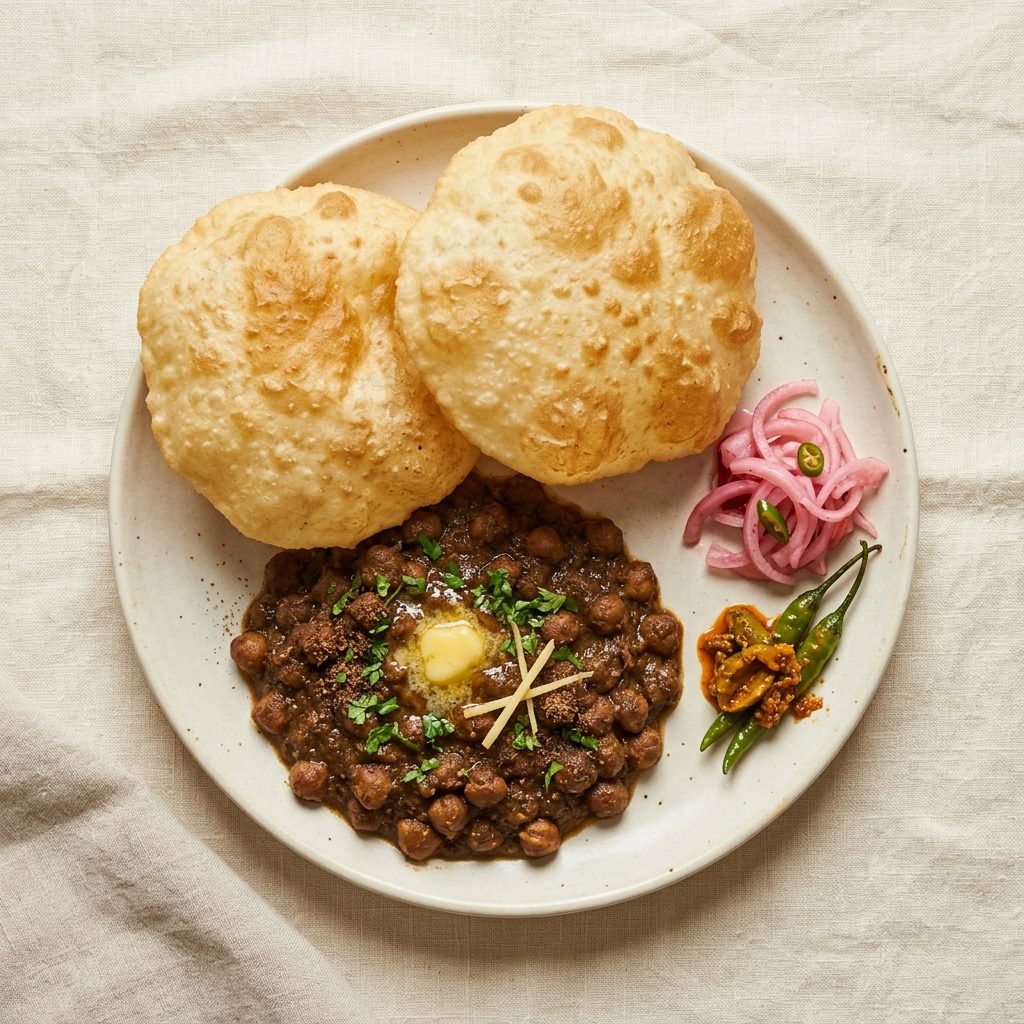
A plate of chole bhature is not the chole your mother makes plus some bread. The bhatura is deep fried, the chole is finished with far more oil, and the plate is sized to be impressive. Assuming home ratios at a restaurant can understate a meal by several hundred calories.
The fix. Log restaurant meals as whole dishes at a plate or serving level, and assume the fat content is roughly double what your kitchen uses. Do not attempt to reconstruct the recipe. Composite dishes do not decompose, which is covered in how to count calories in Indian food and in more depth in the guide to tracking Indian food while eating out.
6. Logging at midnight from memory
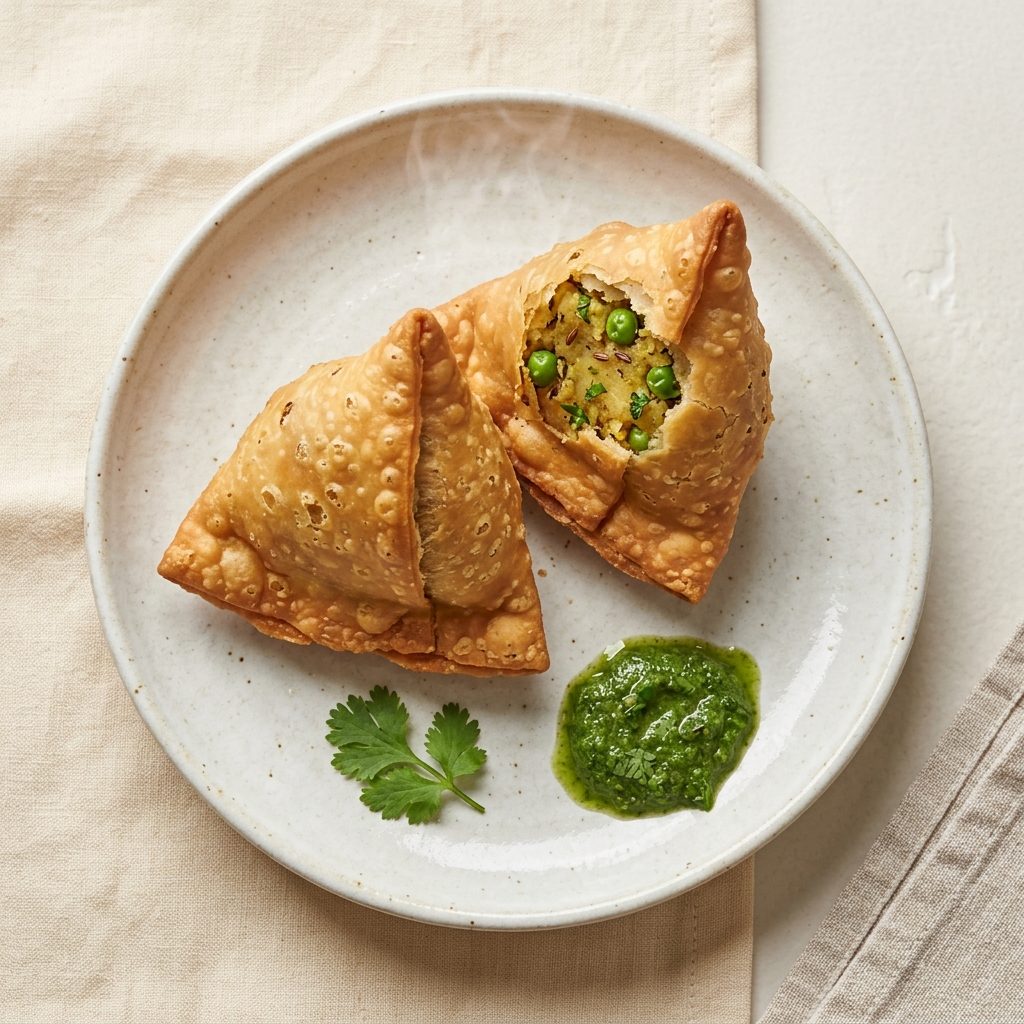
You sit down at 11:40 pm and reconstruct the day. Breakfast is a blur. The samosa at four o’clock has been forgotten entirely, along with two chai, the tastes taken while cooking, and the piece of mithai someone brought to the office.
Memory does not lose items at random. It loses the small, unplanned, eaten-standing-up items, which are exactly the ones that account for the gap between the log and reality.
The fix. Log within a few minutes of eating. This one habit separates people who track for years from people who track for a fortnight. Voice logging makes it fast enough to actually do, because saying aaj lunch mein do roti aur ek katori rajma takes four seconds while typing the same thing takes forty. If you genuinely cannot log at the table, log the moment you sit down afterwards.
7. Chasing precision instead of consistency
The final mistake looks like diligence, which is why it lasts longest.
Someone spends nine minutes deciding whether their dal was 137 or 152 calories, weighs the onions, logs each ingredient of the rajma separately, and abandons the whole system in three weeks because it is exhausting. An app showing you 137 calories for your dal is not more accurate than one showing 100 to 180. It is only more confident, and those are very different things.
Indian recipes vary enormously between kitchens. The same dal is thin in one house and loaded with cream in another. Anyone publishing a single authoritative number for it is guessing with better typography.
The fix. Accept ranges, and aim to be consistently wrong in the same direction. If your dal entry runs slightly low every single day, the weekly trend still tells you the truth about which way you are going. That is the only thing a log is for. Sehat carries a confidence level and a source note on every entry rather than inventing precision, so you know when a figure is solid and when it is an estimate.
Fix two of these, not all seven
Do not go and overhaul everything tonight. That is its own failure mode.
Pick the two most likely to be costing you. For most people cooking oil and chai are the answer, and between them they often account for the entire gap between what the log says and what the scale says.
Get those honest for a fortnight, then look at your trend again before touching your target or your training. Most people discover their plan was fine all along. It was the data that needed work, and once the data is honest, the plan gets to do its job.
Calorie figures on this page are typical ranges, not lab values. Indian recipes vary enormously between kitchens, so a number that is right for one house is wrong for the next. Sehat keeps a confidence level and a source note on every entry rather than pretending a single figure is the truth. This is general information, not medical advice.
Common questions
Why is my calorie tracking not working?
In most cases the log is incomplete rather than the plan being wrong. Cooking oil, chai, tastes while cooking, weekend meals and restaurant portions are the usual gaps. Log one full week with deliberate honesty, including everything you would normally skip, before changing your target or your training.
How much do people usually underestimate their intake by?
Research on self-reported food intake consistently finds substantial underreporting, often in the range of twenty to forty percent. It is rarely deliberate. Whole items get forgotten, portions get judged optimistically, and cooking fat is invisible once the food reaches the plate.
Should I log chai and coffee?
Yes. A cup of home masala chai with sugar and full-fat milk is roughly 60 to 120 calories, and most people drink several. Black tea or coffee without sugar or milk is close to zero and can be ignored. The ones with milk and sugar are real food and belong in the log.
How do I track food at a restaurant?
Log it as a dish and a portion rather than trying to reconstruct the recipe. Assume restaurant cooking uses considerably more oil, butter or cream than your kitchen does, often double. An estimate logged at the table is far more useful than a precise entry you never got round to making.
Is it better to log accurately or log consistently?
Consistently. A log that is roughly right every single day reveals a real trend across weeks. A perfect log kept for four days reveals nothing at all. If your estimate is wrong in the same direction each day, the direction of travel is still correct, and that is what you are reading.
Dishes mentioned
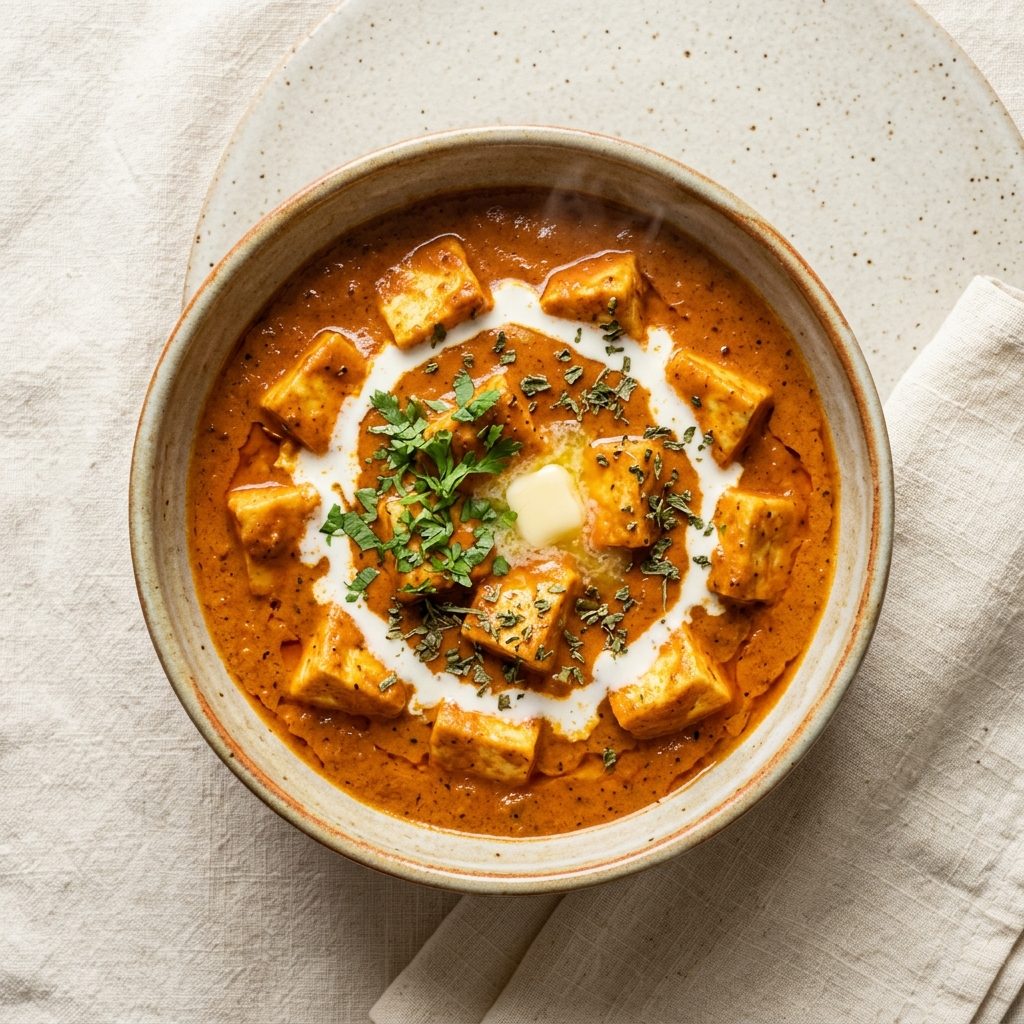
In the app
All of this, without the arithmetic.
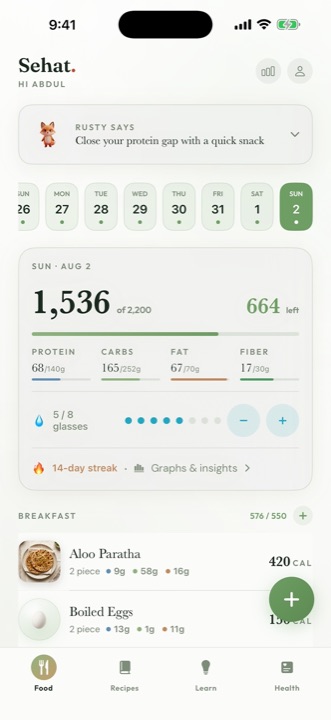
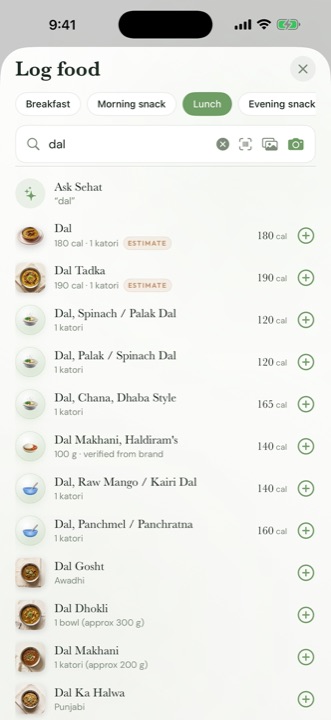
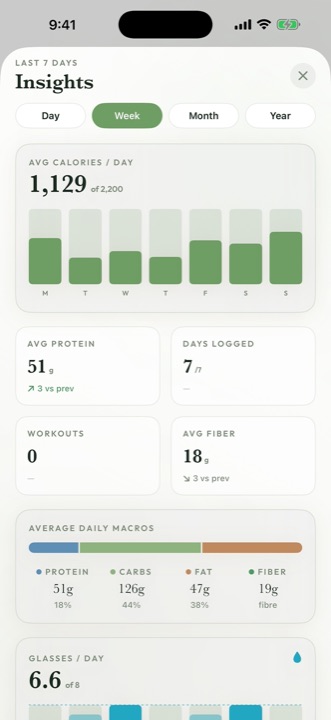
The world's most complete Indian calorie counter.
Over 10,000 foods and spellings.
Log dal, roti and biryani by voice, in Hinglish, in the portions your kitchen actually uses. An AI coach reads your day and guides you. No coaches. No calls. No spam.
Download free on the App StoreAndroid is on the way.
Calorie tracking
How to count calories in Indian food
A practical method for tracking dal, roti, sabzi and biryani without weighing anything. Portions, honest ranges, and the four habits that make a log actually stick.
Calorie tracking
How to build a calorie deficit on an Indian diet
A calorie deficit does not require giving up dal, roti or rice. How to size one sensibly, adjust cooking fat and portions, and keep it going past week three.
Indian food
How to track what you eat at a restaurant
Restaurant gravies carry far more oil, butter and cream than home cooking. How to order, how to estimate a portion, and why an estimate beats logging nothing.