How to build a calorie deficit on an Indian diet
The short answer
A calorie deficit means eating less energy than your body uses, and a sensible one sits roughly 300 to 500 calories below maintenance. On an Indian diet you build it by adjusting cooking fat, portioning the carbs, adding protein and adding volume, rather than removing dishes you like.
Key takeaways
- A deficit of roughly 300 to 500 calories below maintenance is enough for most people and is far easier to sustain than a steep one.
- Cooking fat is usually the largest single lever in an Indian kitchen. One tablespoon of oil or ghee is roughly 120 calories.
- You do not need to remove dishes. Adjust the fat, portion the carbs, and add protein and vegetable volume around what you already eat.
- Aim for a slow, steady trend rather than a weekly target. Weight moves in a jagged line because of water, salt and digestion, not fat.
- A plateau usually means intake has crept up or the deficit has closed as body weight fell. It rarely means metabolism is broken.
Most advice about calorie deficits on an Indian diet begins by taking things away. No rice. No roti after seven. No potatoes, no ghee, no chai.
It works for about eleven days.
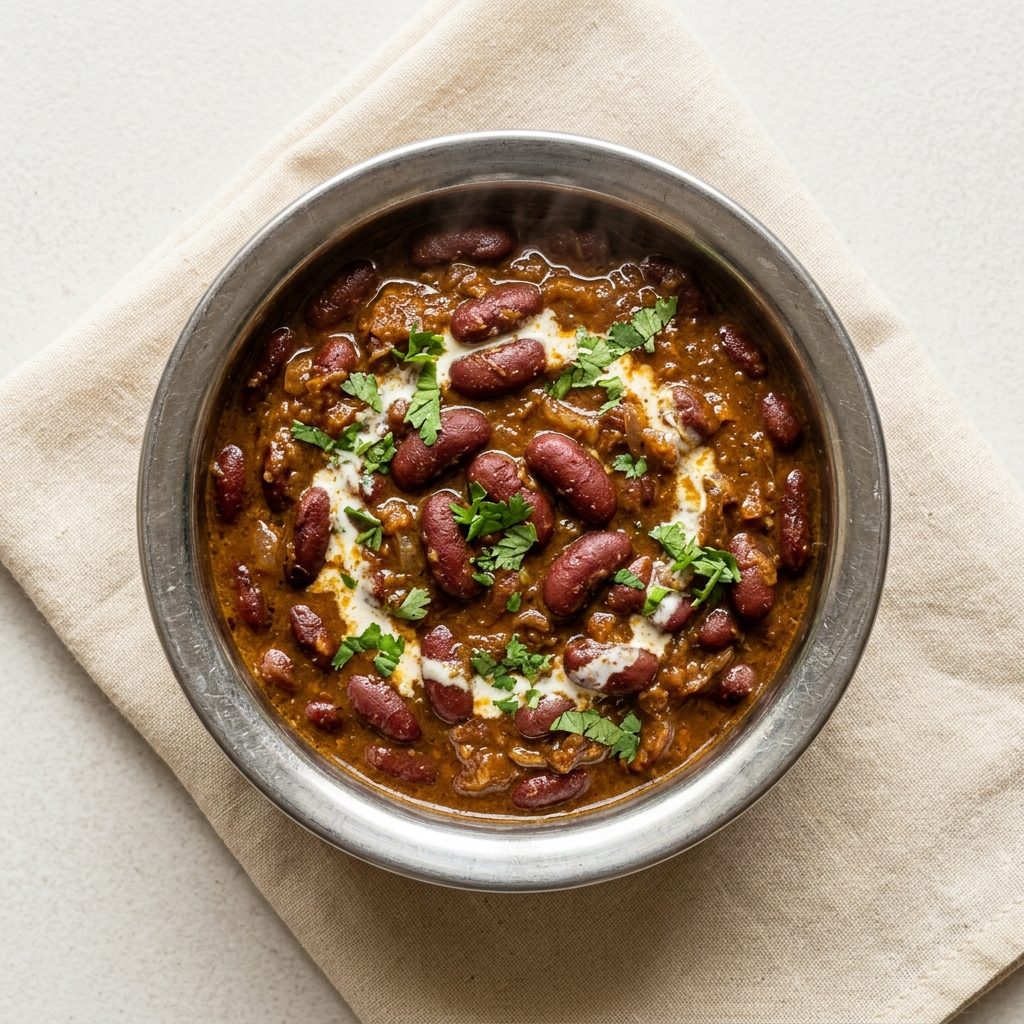
A deficit is arithmetic, not a moral position. You can build one while eating rajma chawal on Sunday, and the version that survives past week three is almost always the one that changed the least.
What a calorie deficit actually is
A calorie deficit is simply eating less energy than your body uses across a period of time. The shortfall gets covered from your own stores.
Two things follow from that definition, and both get lost in the noise.
First, it is measured in weeks, not meals. One heavy dinner does not undo anything. One light day does not achieve anything either.
Second, no individual food creates or prevents a deficit. Rice does not block one. Salad does not create one. Only the total does. Anyone telling you a specific dish is the reason your weight is not moving is selling something.
How big should the deficit be
Roughly 300 to 500 calories below maintenance is the sensible range for most adults.
That size does three useful things at once. It produces a visible trend within two to three weeks. It leaves enough food on the plate that you are not hungry all evening. And it preserves enough energy that training and work do not fall apart.
To use it you need a rough maintenance figure first, which is what the guide on how many calories you need in a day walks through. Take that number, subtract three to five hundred, and you have a starting target. Not a verdict. A starting point you will adjust once real data comes in.
Why crash deficits fail
The temptation is obvious. If 400 below works, surely 900 below works faster.
It does, for a fortnight. Then several things happen together.
- Hunger stops being manageable and starts being the only thing you think about.
- Protein and micronutrient intake fall, because the first foods to go are usually the ones doing real work.
- Training quality drops, and with it the reason your body has to hold on to muscle.
- Adherence collapses, and the rebound eats the progress.
The deficit you actually run is not the one you designed. It is the average of the days you held it and the days you did not. A moderate plan followed for twelve weeks beats an aggressive one followed for three, every time, without exception.
Build the deficit without removing dishes
This is the part specific to an Indian kitchen, and it is where most generic advice is useless. Four levers, in order of how much they move.
1. Adjust the cooking fat
This is the biggest single lever in most Indian homes, and the least noticed.
A tablespoon of oil or ghee is roughly 120 calories. A generous tadka can carry two. Across a day of sabzi, dal, and rotis brushed on the tawa, the cooking fat in a home kitchen frequently accounts for 300 to 600 calories that nobody logged.
You are not removing ghee. You are measuring it once. Watch how much actually goes into your regular sabzi, divide by the servings the pot produces, and decide whether that per-serving amount is where you want it. Halving one heavy tadka a day can be the entire deficit on its own.
2. Portion the carbs, do not delete them
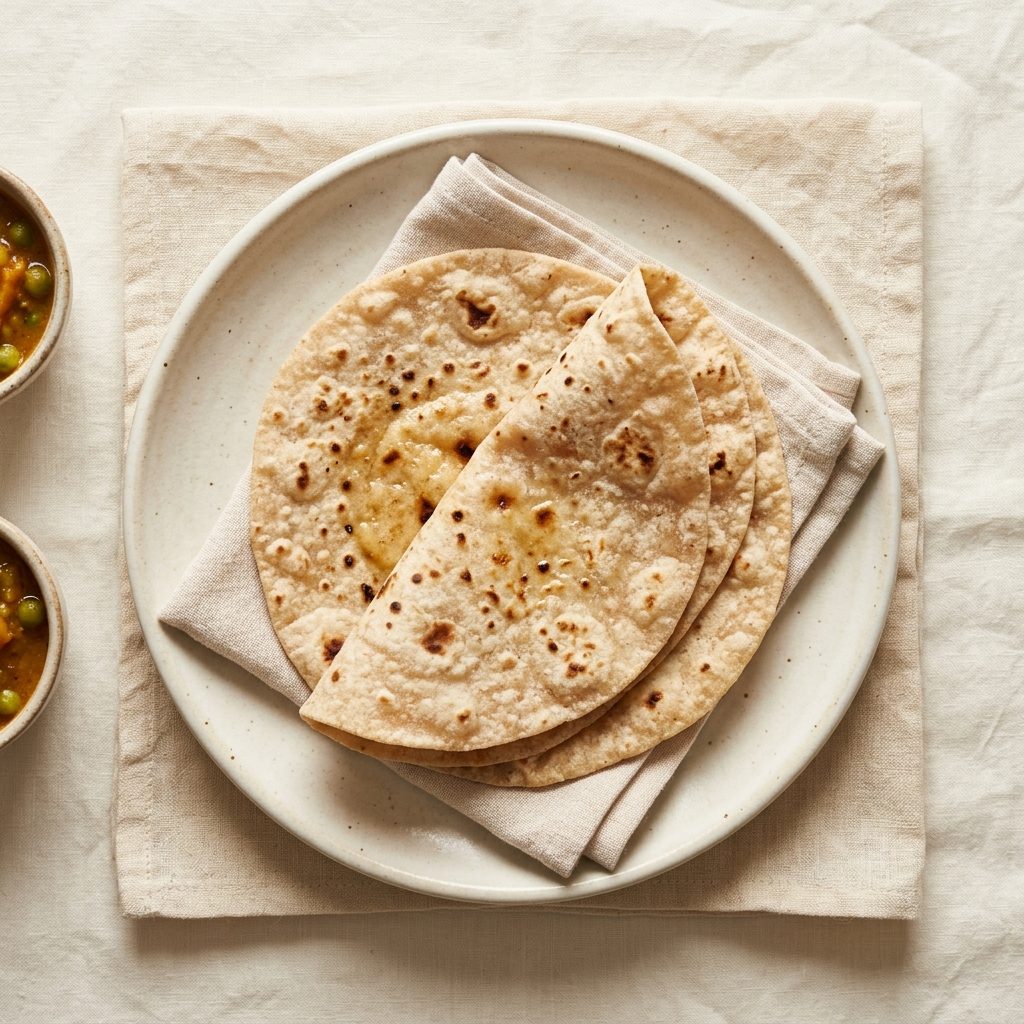
Three rotis instead of four. One katori of rice instead of two heaped ones. That is often 150 to 250 calories, taken from a place you barely notice.
Compare that to cutting rice entirely, which removes the same energy and also removes the meal you were looking forward to. The first change survives. The second does not. There is more detail on the two big carb sources in roti calories and rice calories.
3. Add protein
Adding is not an obvious way to eat less, but protein does more work per calorie than anything else on the plate. It is the most filling macronutrient, and it protects muscle while you are losing weight, which is what makes the loss look like you want it to.
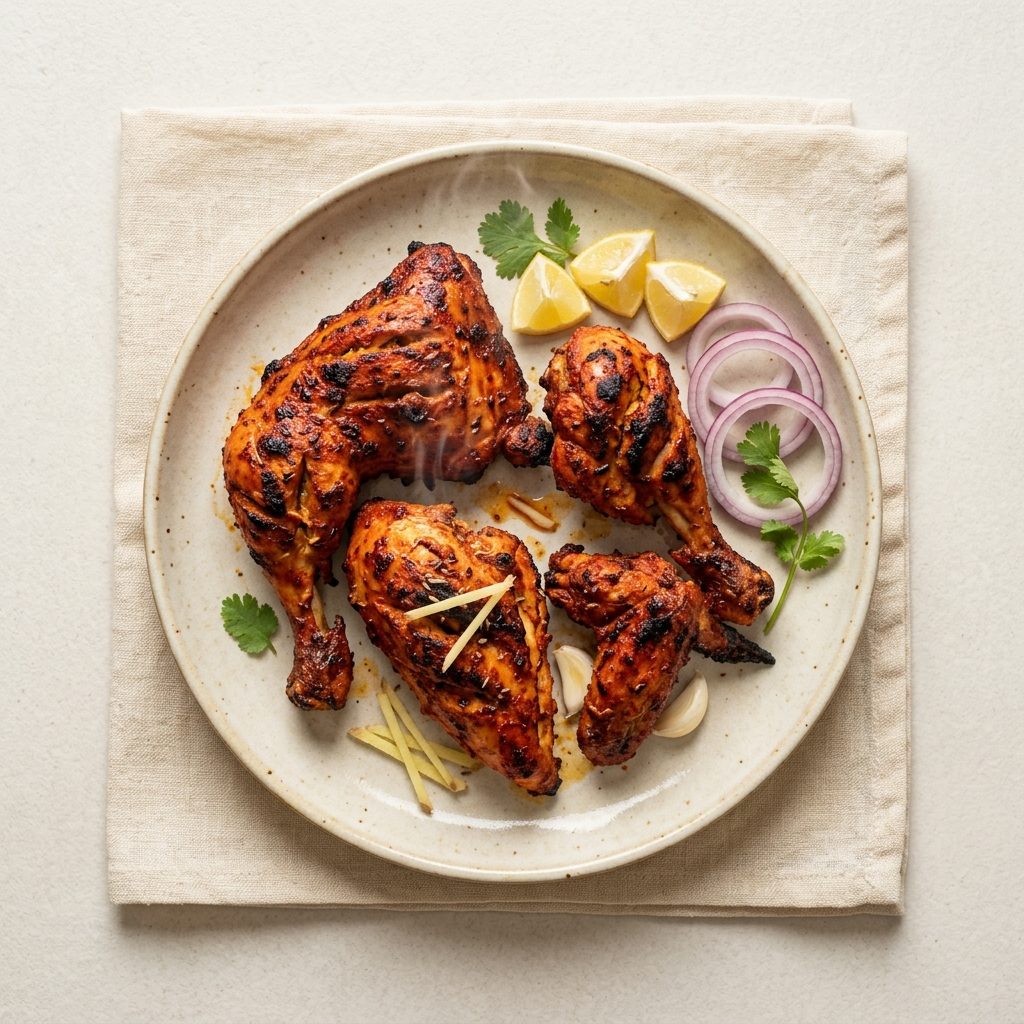
Indian food has plenty of it once you look: dal, rajma, chole, paneer, curd, soya, eggs, chicken. Tandoori chicken and dal tadka do more for a deficit than any low-fat substitute.
4. Add volume
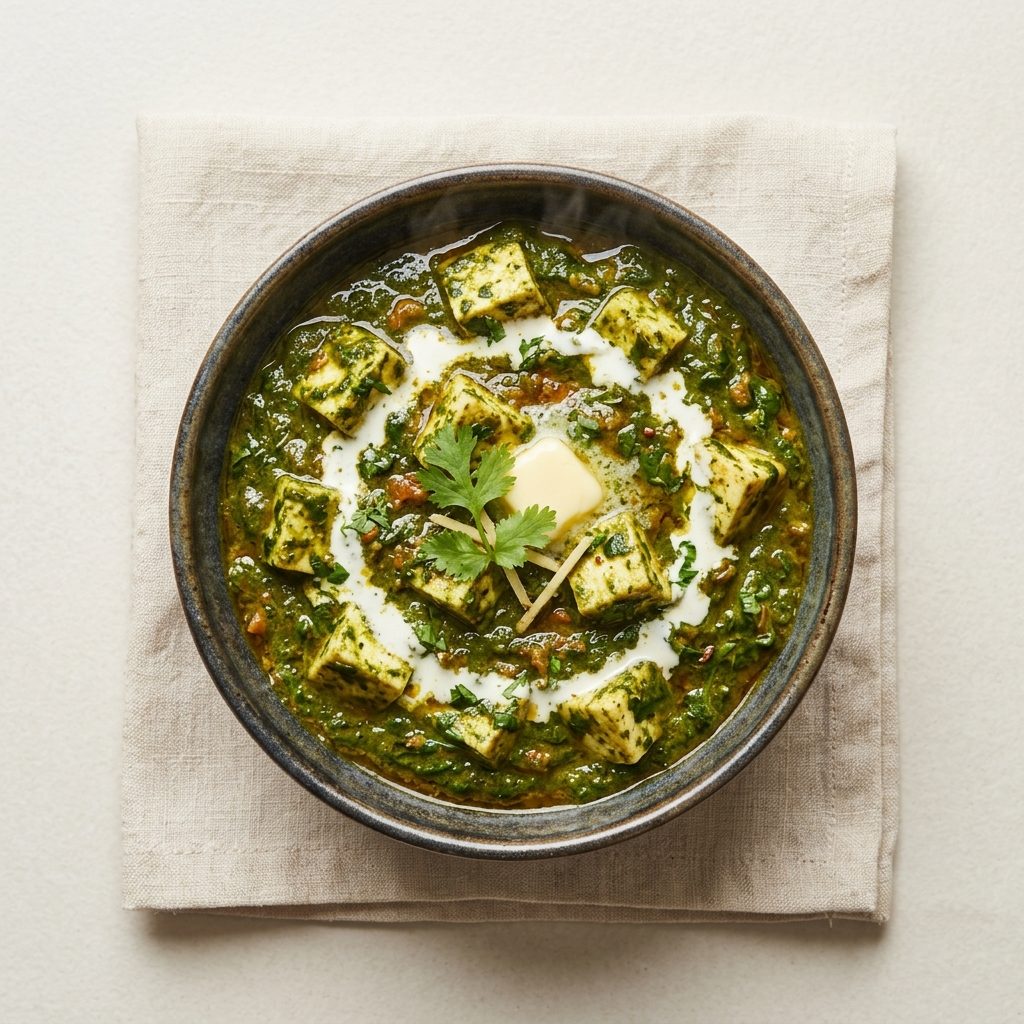
Hunger responds to bulk as well as to energy. Salad before the meal, an extra katori of sabzi, a bowl of soup, more vegetables inside the same curry. Palak paneer with more palak and slightly less cream is the same dish with a different shape.
Volume is why two identical calorie targets feel completely different to live on.
What a realistic rate looks like
Slower than you want. That is the honest answer.
A 300 to 500 calorie daily deficit produces a gradual downward trend across weeks. Anyone quoting you a precise kilogram per week figure is ignoring water weight, salt, glycogen, digestion and the ordinary noise that makes daily weighing so misleading.
So read the data the way it should be read.
- Weigh at the same time, ideally most mornings.
- Ignore every individual number.
- Compare this week’s average against last week’s average.
- Change nothing for at least two to three weeks.
A jagged line that trends gently downwards is exactly what success looks like. A straight line does not exist.
When the scale stops moving
Plateaus are normal, and they almost always have one of two boring explanations.
Intake crept up. This is by far the most common. Tracking gets casual once it becomes routine. The oil stops getting logged, chai goes uncounted, weekends quietly stop existing in the diary. A week of genuinely honest logging usually finds the gap before any strategy needs changing. The usual suspects are listed in calorie tracking mistakes.
The deficit closed by itself. A lighter body burns less. The intake that was 400 below maintenance in January may be exactly at maintenance by March. That is not a broken metabolism, it is arithmetic catching up, and the fix is a small adjustment rather than a dramatic one.
If four weeks of honest data show a genuinely flat trend, trim a further 100 to 150 calories or add some movement. Not both, and not more. You want the smallest change that restarts the trend, because you will need somewhere to go next.
Take a break on purpose
Deficits are not meant to run forever. Periods at maintenance are part of the plan, not a failure of it. They give appetite, training and your patience a chance to reset, and they make the next stretch easier to run.
Eating at maintenance for a week or two is not undoing anything. It is how people who keep the result got to keep it.
The version you can actually live with
The best deficit is the one that leaves your dinner table intact. Rajma chawal on Sunday. Chai with your parents. Biryani when there is a reason for biryani.
Change the fat, watch the portions, keep the protein high, and let three weeks of data tell you whether it is working. That is the whole method, and it does not require you to eat food you do not want.
If any of this intersects with a medical condition, a medication, pregnancy or a history of disordered eating, talk to a doctor first. That is not a disclaimer, it is the right order to do things in.
Calorie figures on this page are typical ranges, not lab values. Indian recipes vary enormously between kitchens, so a number that is right for one house is wrong for the next. Sehat keeps a confidence level and a source note on every entry rather than pretending a single figure is the truth. This is general information, not medical advice.
Common questions
What is a calorie deficit?
A calorie deficit is eating less energy than your body uses over time. Your body covers the shortfall from its own stores. It is measured across weeks, not meals, so one large dinner does not undo a week and one light day does not create a change on its own.
How big should a calorie deficit be?
For most adults, roughly 300 to 500 calories below maintenance works well. It is large enough to show a trend within two to three weeks and small enough that hunger, energy and training stay manageable. Steeper deficits are harder to hold and tend to end in a rebound rather than a result.
Can I be in a calorie deficit and still eat rice and roti?
Yes. No single food prevents a deficit, and rice and roti are ordinary carbohydrates that fit inside almost any target. What matters is the total across the day. Portion them deliberately, keep an eye on the cooking fat around them, and both stay on the plate.
How fast should I expect to see change?
Give it two to three weeks before judging anything. Day to day weight swings by a kilogram or more from water, salt and food still in transit, which hides the underlying trend. A weekly average compared against the previous week is the only signal worth reading.
Why has my weight stopped moving?
Two common reasons. Portions drift upwards once tracking becomes routine, especially untracked oil, chai and weekend meals. And as body weight falls, maintenance falls with it, so the old intake is no longer a deficit. Recheck the log honestly for a week before changing anything else.
Dishes mentioned

In the app
All of this, without the arithmetic.
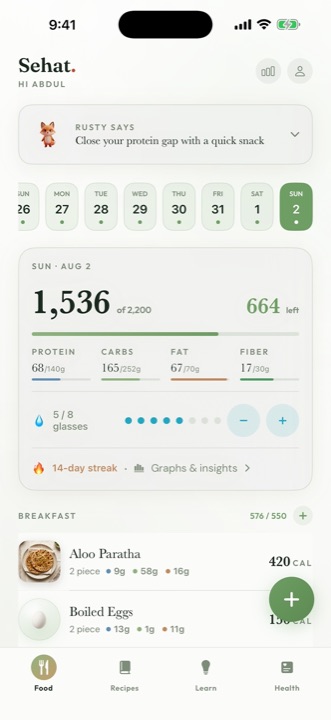
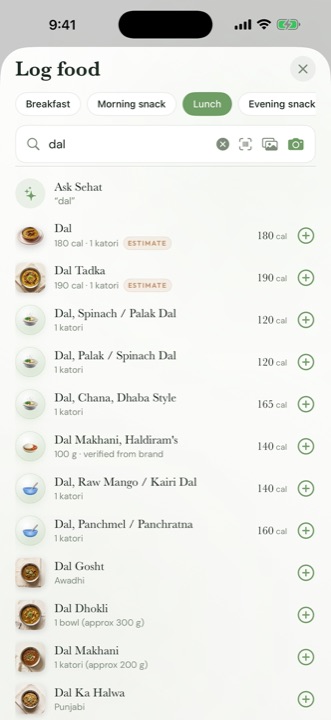
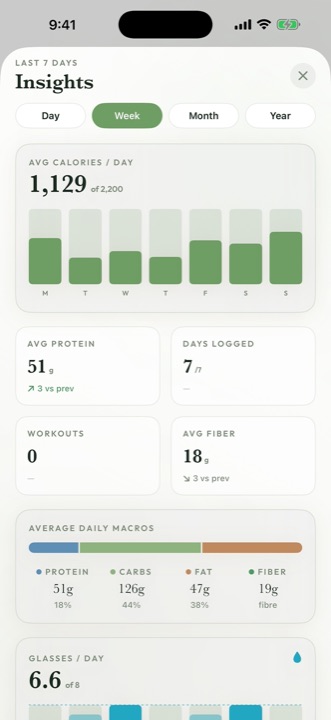
The world's most complete Indian calorie counter.
Over 10,000 foods and spellings.
Log dal, roti and biryani by voice, in Hinglish, in the portions your kitchen actually uses. An AI coach reads your day and guides you. No coaches. No calls. No spam.
Download free on the App StoreAndroid is on the way.
Calorie tracking
How many calories do I need in a day?
BMR, TDEE and the Mifflin St Jeor formula explained plainly, with a worked example for an Indian adult and why the number is a starting point, not a verdict.
Calorie tracking
How to count calories in Indian food
A practical method for tracking dal, roti, sabzi and biryani without weighing anything. Portions, honest ranges, and the four habits that make a log actually stick.
Calorie tracking
Seven calorie tracking mistakes that quietly ruin an Indian food log
Untracked ghee, four cups of chai, a generic dal entry and invisible weekends. The seven errors that make an Indian calorie log wrong, and the fix for each.