What actually makes an Indian breakfast healthy
The short answer
An Indian breakfast becomes healthy when it carries protein, not when it swaps one carbohydrate for another. Most classic breakfasts, poha, upma, idli, plain paratha, deliver 4 to 8 g of protein, which is why hunger returns by eleven. Adding eggs, curd, paneer, sprouts or dal to the dish you already eat fixes it without changing the dish.
Key takeaways
- The protein gap is the single biggest structural problem in Indian breakfast. Most classic options carry 4 to 8 g.
- Poha, upma and plain idli are light and easy to digest, but almost entirely carbohydrate, which is why hunger returns quickly.
- Two eggs add roughly 12 to 14 g of protein. A katori of curd adds roughly 6 to 8 g. Neither changes the dish you were already making.
- Besan chilla is the highest protein traditional Indian breakfast, at roughly 12 to 15 g for two, because besan is a pulse flour.
- A balanced Indian breakfast plate carries a protein anchor, a carbohydrate you enjoy, some fibre and a controlled amount of cooking fat.
Indian breakfast has one structural problem, and it is not oil, sugar or maida.
It is protein. Or rather the near total absence of it.
Poha, upma, idli, plain paratha, bread and jam, a banana with tea. Every one of these is carbohydrate with a small amount of fat and almost nothing else. You eat at eight, you are hungry at eleven, you blame your willpower, and the actual cause was the composition of the plate.
The protein gap is the real issue
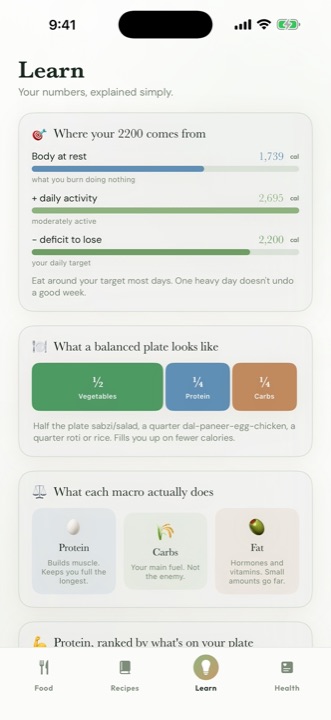
Most Indian breakfasts deliver 4 to 8 g of protein. A reasonable target is at least 20 g, and closer to 30 g if you train. Our guide to macros on an Indian diet covers where that daily number comes from.
That gap has two consequences and both are ordinary rather than dramatic.
Hunger returns early. Protein and fibre slow gastric emptying. A meal made almost entirely of refined carbohydrate does not, so appetite comes back fast and the eleven o’clock biscuit is a physiological event rather than a moral failure.
The daily total gets harder. If breakfast contributes 5 g, lunch and dinner have to carry an unreasonable load. Most people who struggle to hit a protein target are not failing at dinner. They lost the morning.
The fix is not to abandon Indian breakfast. It is to add one protein anchor to the breakfast you already eat. If you want ready-made versions of that idea, our high-protein Indian breakfast recipes start from the same dishes.
An honest look at each classic
No judgement here. Each of these has a place. It is only worth knowing what each one is actually giving you.
Poha. Light, quick, easy to digest. Roughly 250 to 350 calories a plate depending on the oil and peanuts. Protein is around 4 to 6 g. Its strength is that it takes additions well, so peanuts, sprouts, green peas or paneer slot in without argument.
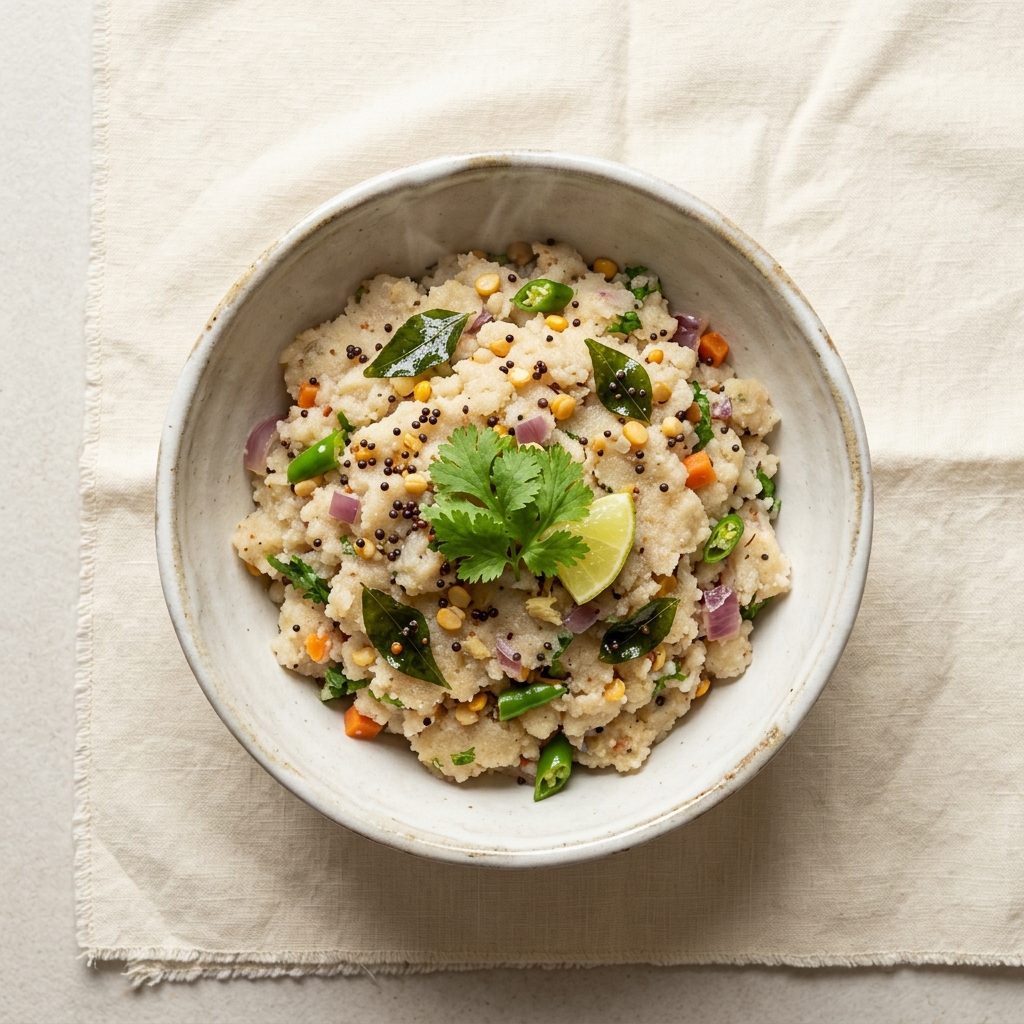
Upma. Similar profile, made from rava, usually 250 to 350 calories. Protein around 5 to 7 g. The vegetables that go in are doing more work for you than most people realise, and more of them is the easiest upgrade. Try it with a katori of curd alongside, which is how upma is eaten in a lot of South Indian homes anyway.
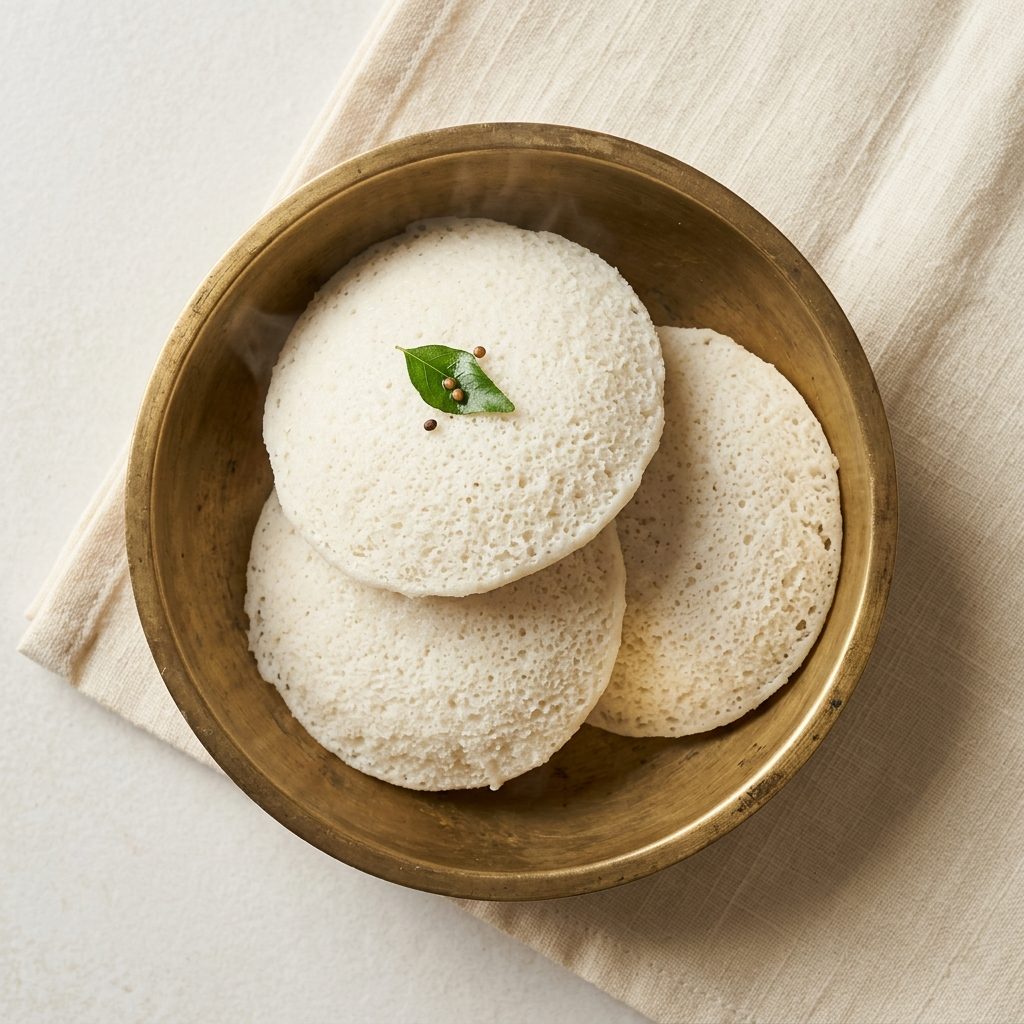
Idli. Steamed, no cooking oil, and fermented, which some people find easier on the stomach. Three idli with sambar usually lands around 250 to 350 calories. Protein is around 6 to 9 g including the sambar, which is better than most because the batter is urad dal and rice together.
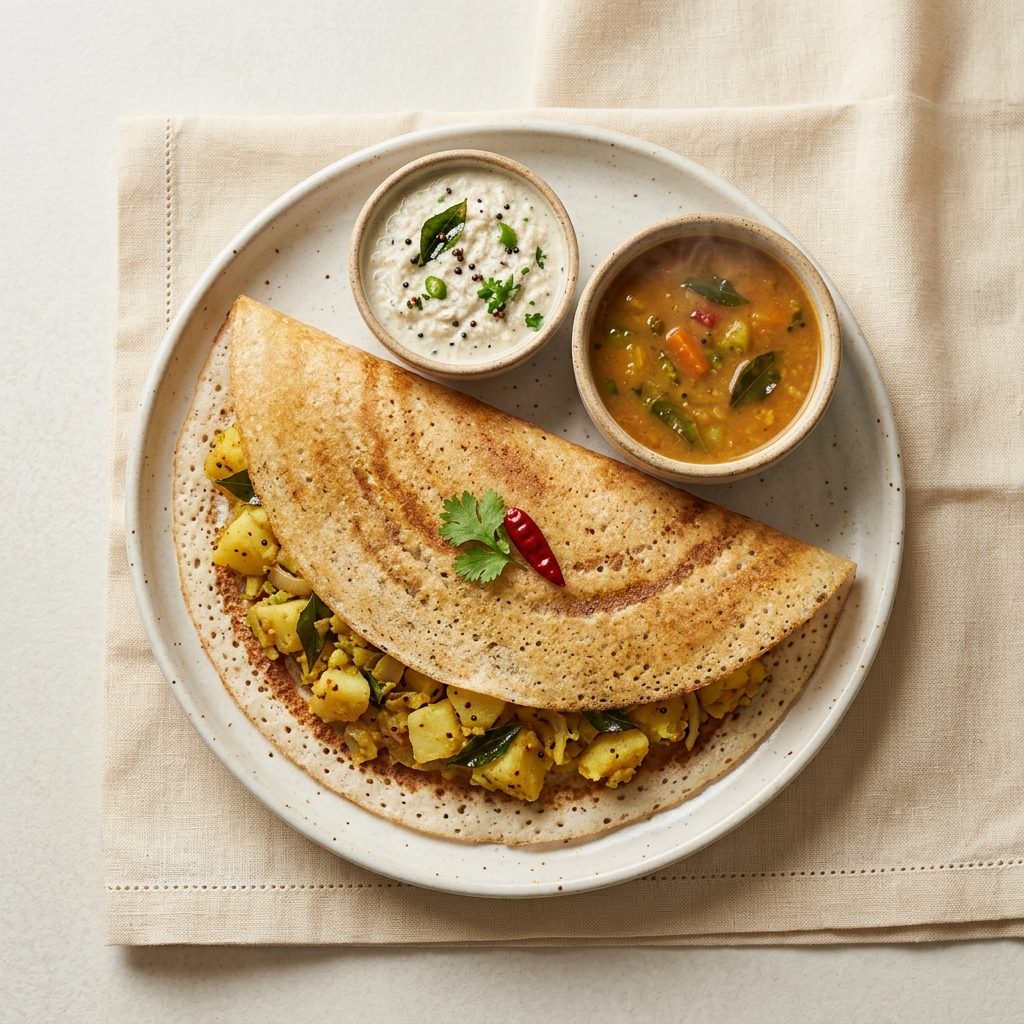
Dosa. Same batter, cooked on oil. A plain dosa runs roughly 150 to 250 calories. A masala dosa with potato filling and generous ghee often reaches 350 to 500. Both are fine. Just do not assume they are the same entry in your log.
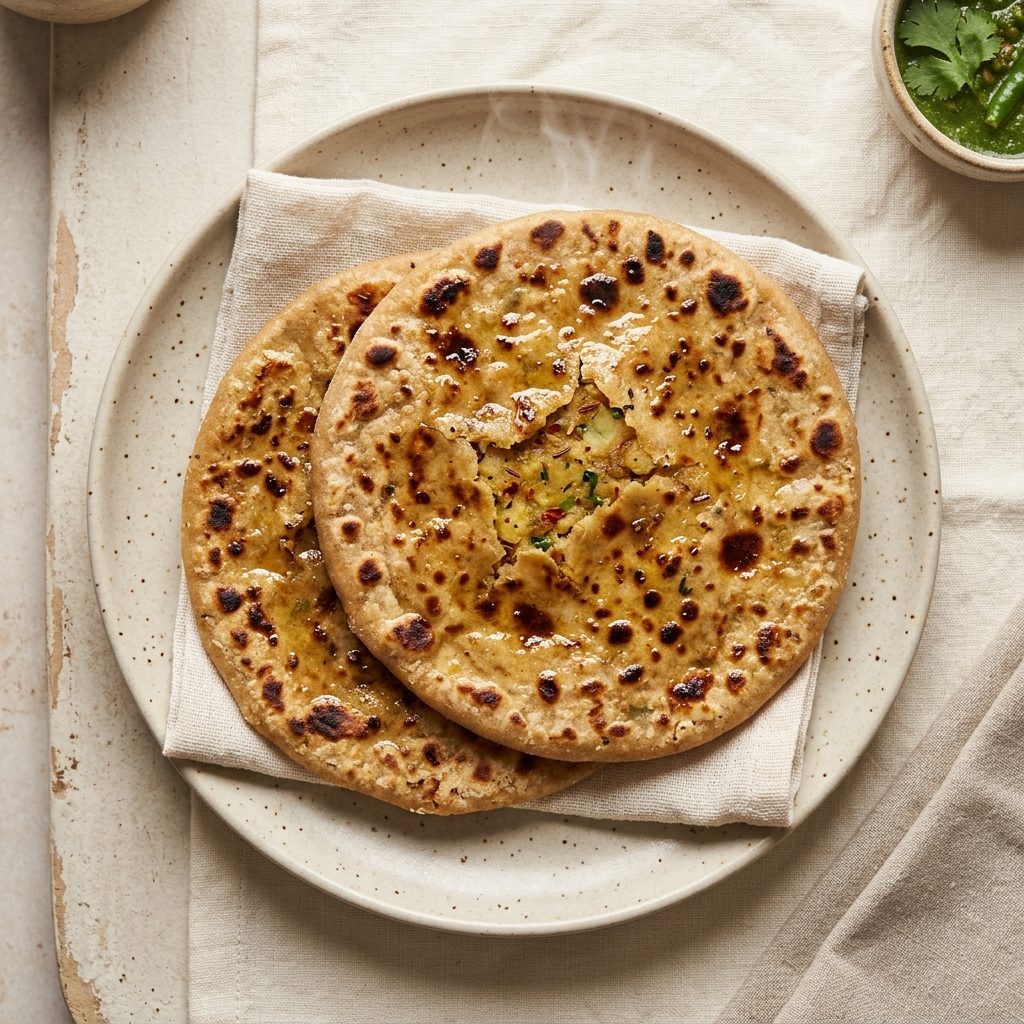
Paratha. A plain paratha is roughly 200 to 300 calories, and an aloo paratha more, with each teaspoon of ghee adding around 40. Protein sits under 6 g unless something is added. The classic pairing of paratha with curd is already the right instinct.
Besan chilla. The quiet winner. Besan is a pulse flour, so two chilla carry roughly 12 to 15 g of protein for around 250 to 300 calories. Stuff it with paneer and you are at 25 g without doing anything unusual.
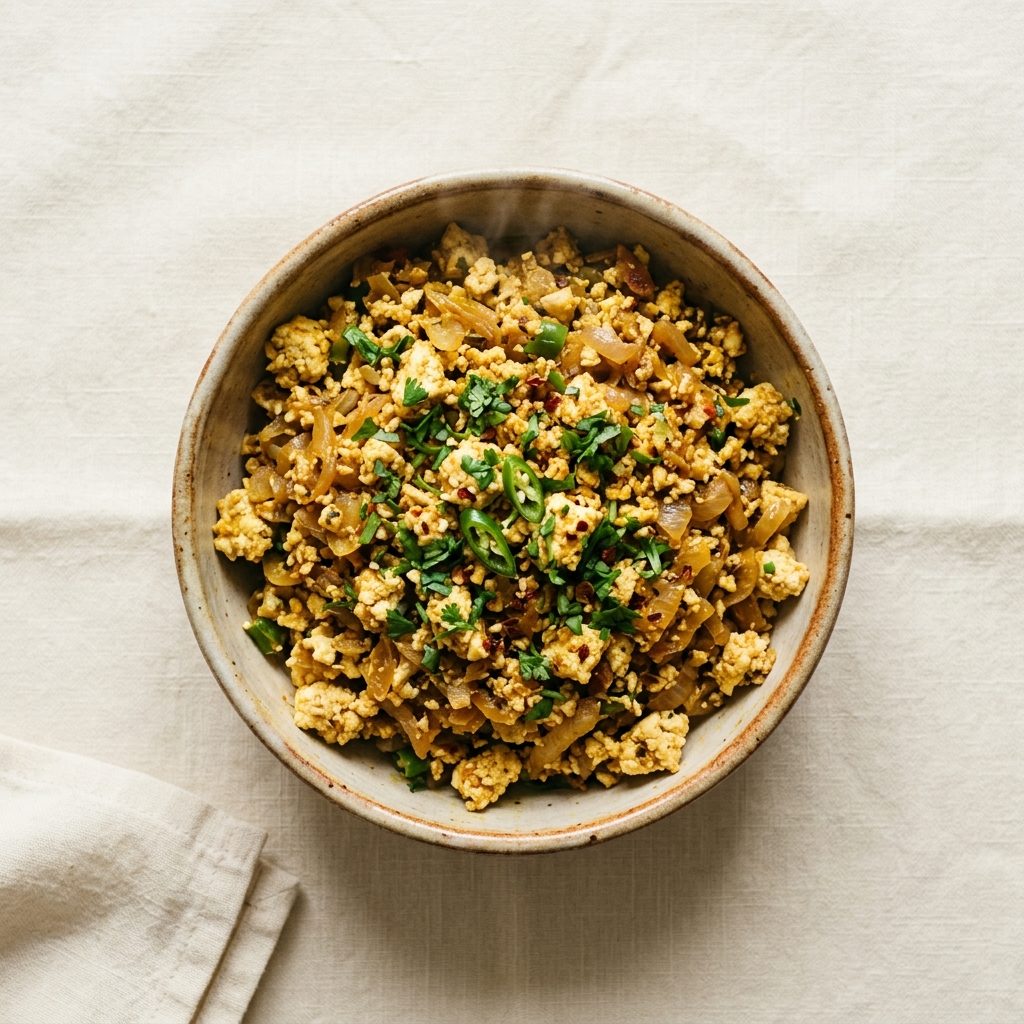
Eggs. Two eggs give roughly 12 to 14 g of protein for around 140 to 160 calories. As bhurji, an omelette, half fry or boiled, they are the fastest protein anchor available in an Indian kitchen.
Curd. A katori carries roughly 6 to 8 g of protein. Greek style or hung curd roughly doubles that. It costs nothing in effort and pairs with almost every dish above.
Why the carbohydrate-only breakfast fails you by eleven
It is worth being precise about this, because it is usually described as a discipline problem when it is a design problem.
Refined carbohydrate digests quickly. Blood sugar rises, insulin responds, blood sugar comes down, and appetite signals return. Nothing in a plate of plain poha slows that sequence down.
Add 15 g of protein and 5 g of fibre to the same plate and the whole curve flattens. Same dish. Same kitchen. Different morning.
This also explains why the classic advice to just eat a bigger breakfast rarely works. A bigger plate of the same thing extends fullness by perhaps an hour and costs 200 more calories. A smaller plate with an egg on it works better and costs less.
Six upgrades that keep the dish recognisable
None of these ask you to eat something new. That is the point.
- Put an egg next to it. Boiled, bhurji or half fry, alongside your poha, upma or paratha. Adds 6 to 7 g per egg and takes four minutes.
- Swap plain curd in as the side. A katori with paratha, chilla or upma adds 6 to 8 g and improves the meal for people who find breakfast heavy.
- Add sprouts or peas to poha and upma. Fibre plus a few grams of protein, and it changes the texture rather than the dish.
- Crumble paneer into it. Fifty grams of paneer stirred into poha, upma or a chilla filling adds roughly 9 to 10 g of protein. Paneer bhurji on the side does the same job.
- Use besan. Chilla instead of paratha once or twice a week, or mix besan into your roti atta. Pulse flour is the easiest structural upgrade in Indian cooking.
- Drink your protein if you are short on time. Milk, a lassi made with curd, or a scoop of whey in milk. Not elegant, but 15 to 25 g in one glass on the days you are running late.
Notice that none of these involve giving anything up. Paratha stays. Poha stays. Something goes next to it.
What a genuinely balanced Indian breakfast plate looks like
Four components, and you can build hundreds of breakfasts from them.
- A protein anchor. Eggs, curd, paneer, besan, sprouts, milk or a supplement. Target 20 g or more.
- A carbohydrate you actually enjoy. Poha, upma, idli, dosa, roti, paratha, bread. This is the part of the meal you look forward to and it should stay.
- Some fibre. Vegetables in the poha, sambar with the idli, a fruit on the side, sprouts anywhere.
- A controlled amount of cooking fat. Half a teaspoon to one and a half teaspoons per serving is typical of Indian home cooking. Ghee is not the problem. Untracked ghee is.
Three real examples of that structure:
- Two besan chilla stuffed with paneer, plus a katori of curd. Roughly 25 to 30 g protein.
- Three idli with sambar, plus two boiled eggs. Roughly 20 to 24 g protein.
- One aloo paratha with a large katori of curd and one egg bhurji. Roughly 20 to 22 g protein.
Each of these is an ordinary Indian breakfast with one addition. None of them requires oats.
The point of all this
There is no bad Indian breakfast. There are breakfasts that are mostly carbohydrate, and if you know that, you can decide what to put beside them.
The most useful thing you can do tomorrow morning is not to change what you eat. It is to log it once, honestly, and look at the protein number. Most people are surprised, and the surprise is what makes the change stick.
Then put an egg next to it, or a katori of curd, and get on with your day.
Calorie figures on this page are typical ranges, not lab values. Indian recipes vary enormously between kitchens, so a number that is right for one house is wrong for the next. Sehat keeps a confidence level and a source note on every entry rather than pretending a single figure is the truth. This is general information, not medical advice.
Common questions
Is poha a healthy breakfast?
Poha is light, easy to digest and low in fat when made with modest oil, typically 250 to 350 calories a plate. Its weakness is protein, usually only 4 to 6 g. Adding peanuts, sprouts, paneer or an egg on the side turns it into a genuinely balanced meal without changing what it is.
Which is better for weight loss, idli or dosa?
Idli is steamed and dosa is cooked on oil, so idli is generally lighter. Three idli with sambar usually lands around 250 to 350 calories, while a masala dosa often runs 350 to 500 depending on the oil and the potato filling. Both work. Idli simply leaves more room in your budget.
How much protein should an Indian breakfast have?
Aim for at least 20 g. Most people spread protein badly, eating almost none at breakfast and a lot at dinner, which is less useful for muscle retention and for controlling hunger. Twenty to thirty grams at breakfast is a realistic target from eggs, curd, paneer, besan or a milk based drink.
Why am I hungry two hours after an Indian breakfast?
Almost always because the meal was mostly refined carbohydrate with little protein, fat or fibre. Poha, upma, white bread and plain idli digest quickly and leave nothing to slow the return of hunger. Adding a protein source and some fibre extends fullness for most people by several hours.
Is paratha bad for you at breakfast?
No food is off limits. A paratha is roughly 200 to 300 calories plain, and each teaspoon of ghee on top adds around 40. The issue is that two aloo parathas can be most of a morning's calories with under 10 g of protein. Making it one paratha with curd and an egg balances the same meal.
Dishes mentioned
In the app
All of this, without the arithmetic.
The world's most complete Indian calorie counter.
Over 10,000 foods and spellings.
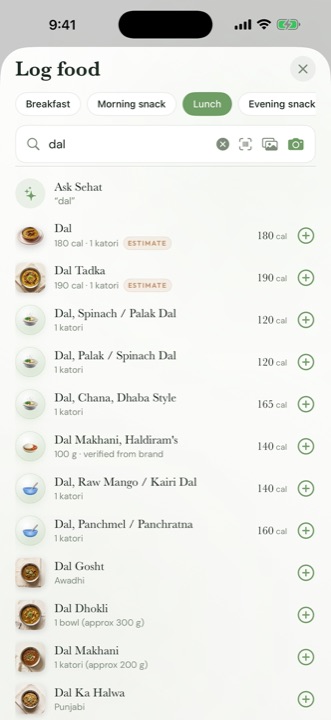
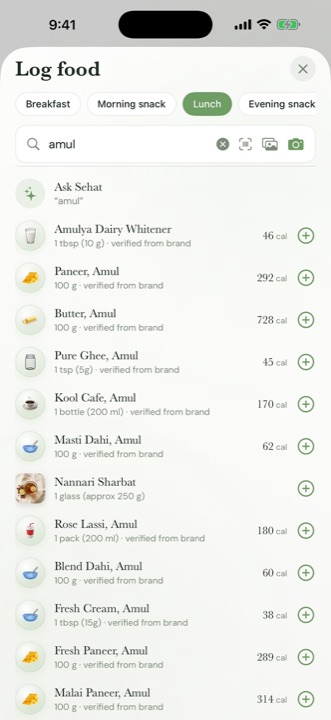
Log dal, roti and biryani by voice, in Hinglish, in the portions your kitchen actually uses. An AI coach reads your day and guides you. No coaches. No calls. No spam.
Download free on the App StoreAndroid is on the way.
Recipes
High protein Indian breakfasts you can make on a weekday
Seven Indian breakfasts with real protein, each achievable in under fifteen minutes. Besan chilla, moong dal chilla, paneer bhurji, sattu drink and upgraded poha.
Macros
How to hit your protein target on a vegetarian Indian diet
The real protein sources in Indian vegetarian food, ranked, with a worked day that reaches 100 grams. Plus why dal alone will never get you there.
Macros
Macros explained, for people who eat Indian food
Protein, carbs, fat and fibre, explained against a real Indian plate. Why the thali runs carb-heavy, a sane starting split, and how to fix the protein gap.