How to hit your protein target on a vegetarian Indian diet
The short answer
A vegetarian Indian diet reaches its protein target through paneer, soya chunks, curd, dals eaten in larger quantities, sattu and tofu, not through dal alone. Aim for roughly 1.2 to 1.6 grams of protein per kilogram of bodyweight if you train, and anchor two meals a day around a dedicated protein dish.
Key takeaways
- A katori of ordinary home-style dal holds roughly 4 to 6 grams of protein, so dal alone cannot carry a target of 100 grams or more.
- Someone training regularly needs roughly 1.2 to 1.6 grams of protein per kilogram of bodyweight per day.
- Dry soya chunks are the densest vegetarian source in an Indian kitchen at roughly 50 to 52 grams of protein per 100 grams before soaking.
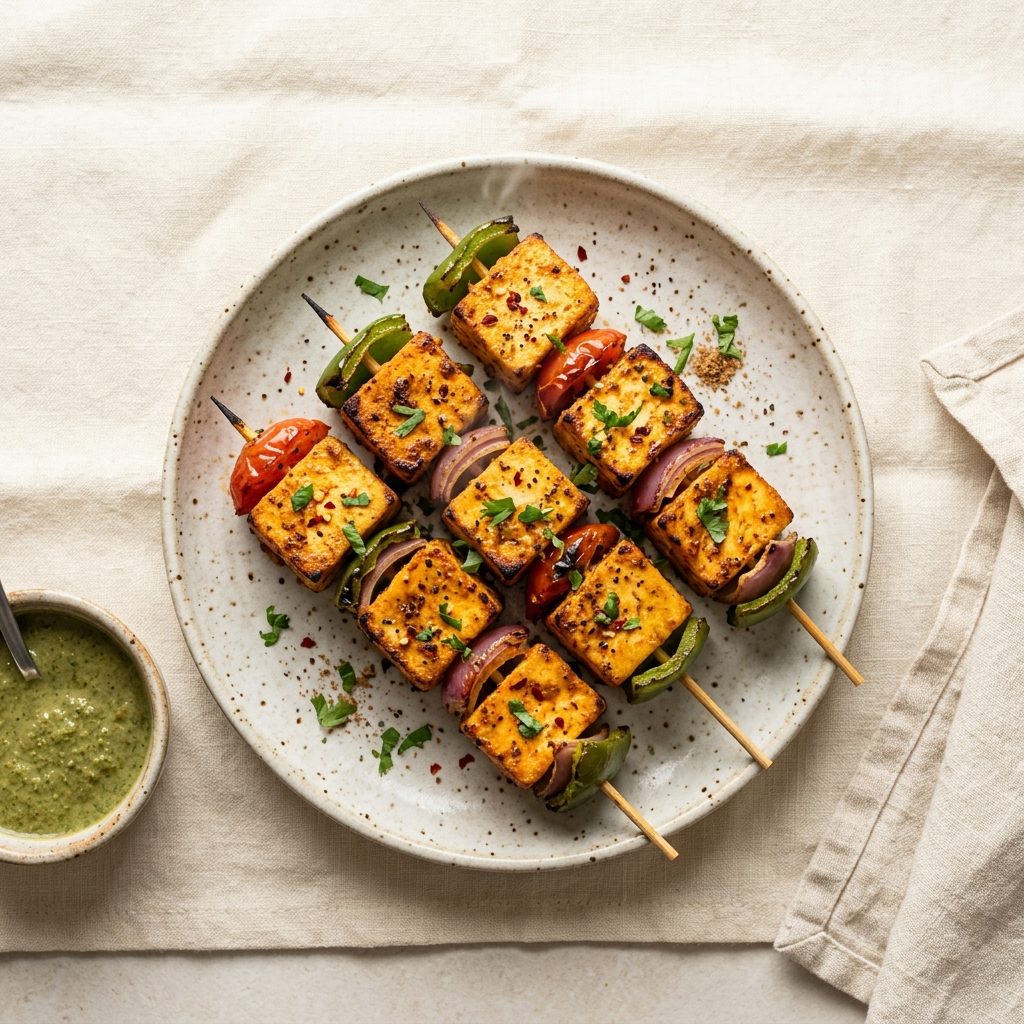
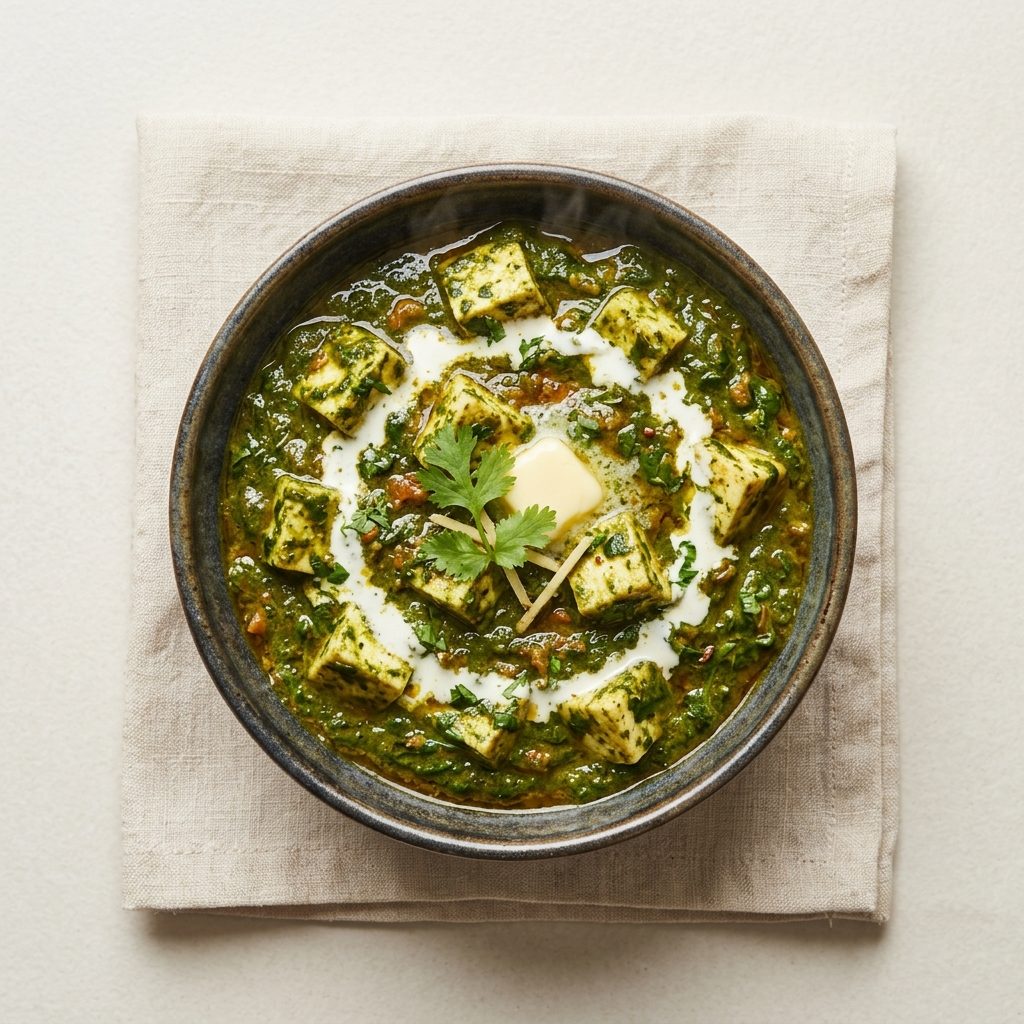
- Paneer holds roughly 18 to 20 grams of protein per 100 grams, which makes it the easiest single upgrade to an existing sabzi.
- Two meals a day built around a named protein dish, rather than a protein side, is the structural change that makes the target reachable.
Every vegetarian who has ever started tracking has had the same week. The calories look fine. The carbs look fine. The protein number sits at 45 grams and refuses to move.
This is not a personal failure and it is not a reason to start eating chicken. It is a structural feature of how Indian vegetarian food is built. The protein is there. It is just distributed in small quantities across a plate dominated by grain.
Fix the structure and the number moves. Here is how.
Why the default vegetarian plate falls short
Take a normal day. Poha or paratha for breakfast, dal chawal and a sabzi for lunch, roti with sabzi and curd for dinner.
Run the protein on that and you land somewhere around 40 to 55 grams. For a sedentary person that is survivable. For anyone lifting weights three times a week, it is roughly half of what is useful.
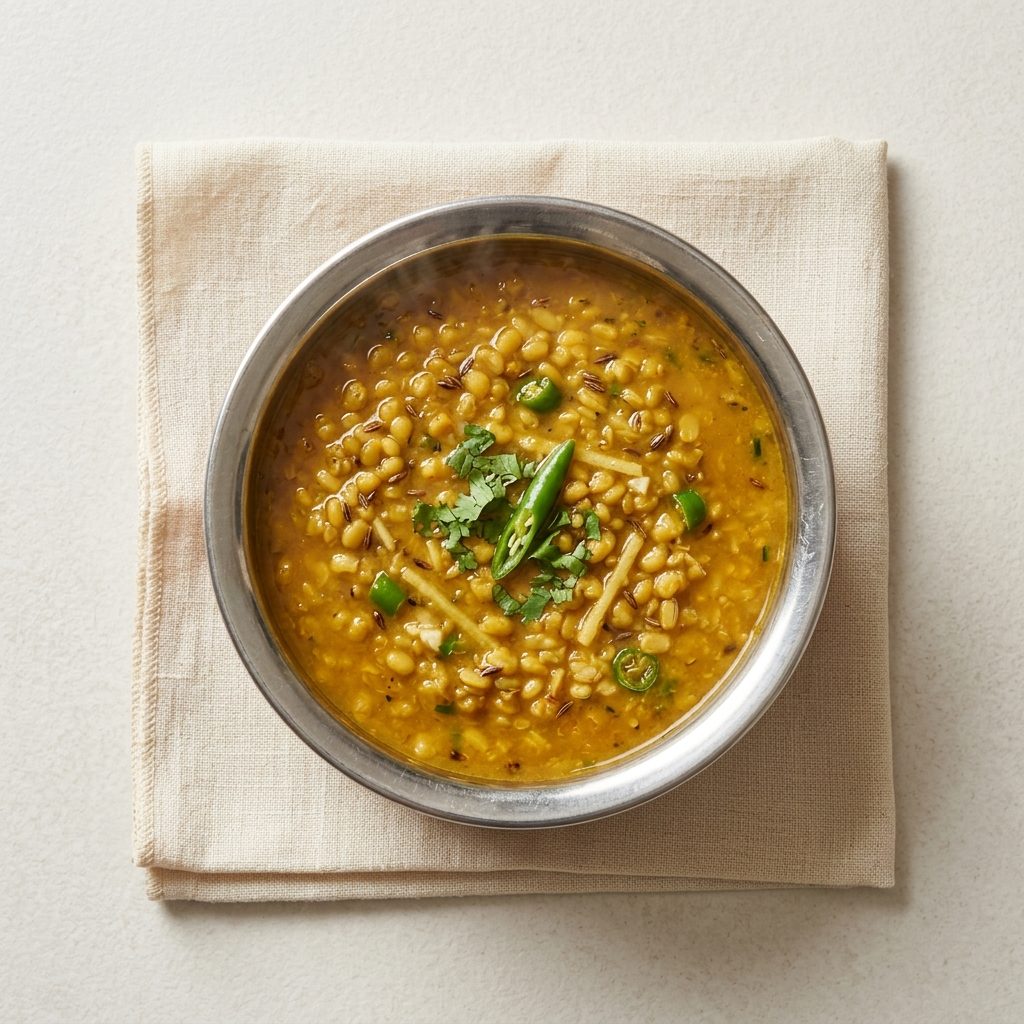
The reason is a single misconception that everyone in India inherits: dal is treated as the protein of the meal. A katori of cooked home-style dal holds roughly 4 to 6 grams of protein. The dry lentil is genuinely protein-rich at around 20 to 24 grams per 100 grams, but by the time it becomes a pourable dal tadka, most of what is in the bowl is water.
To reach 60 grams from dal alone you would need something like twelve katori of it. Nobody is doing that.
How much protein you actually need
Set the target properly before chasing it.
- If you train regularly: roughly 1.2 to 1.6 grams per kilogram of bodyweight per day. A 70 kilogram person lands at 85 to 110 grams.
- If you are sedentary: roughly 0.8 to 1 gram per kilogram is the general reference range.
- If you are eating in a deficit: stay at the upper end. Protein is what protects muscle when calories are low.
Vegetarians are sometimes advised to aim slightly higher because plant proteins are typically less digestible and have less complete amino acid profiles. Eating a variety of sources across the day handles that on its own. Dal with roti already does it. You do not need to engineer combinations at each meal.
If you have kidney disease or any condition affecting protein handling, set your target with a doctor rather than an article.
The vegetarian protein sources, ranked
Ranges per 100 grams, because brands and preparations vary.
| Source | Protein per 100 g | Notes |
|---|---|---|
| Soya chunks, dry | 50 to 52 g | The densest thing in an Indian kitchen. Weigh dry, not soaked. |
| Peanuts | 24 to 26 g | Also very calorie-dense. A handful, not a bowl. |
| Sattu, roasted chana flour | 20 to 22 g | Drinkable protein. Bihar solved this long ago. |
| Dry dals and legumes | 20 to 24 g | The dry weight, not the cooked katori. |
| Paneer | 18 to 20 g | Full fat carries more calories than the same protein from curd. |
| Greek yoghurt or hung curd | 8 to 10 g | Roughly double ordinary curd. |
| Tofu | 8 to 12 g | Firm tofu sits at the top of that range. |
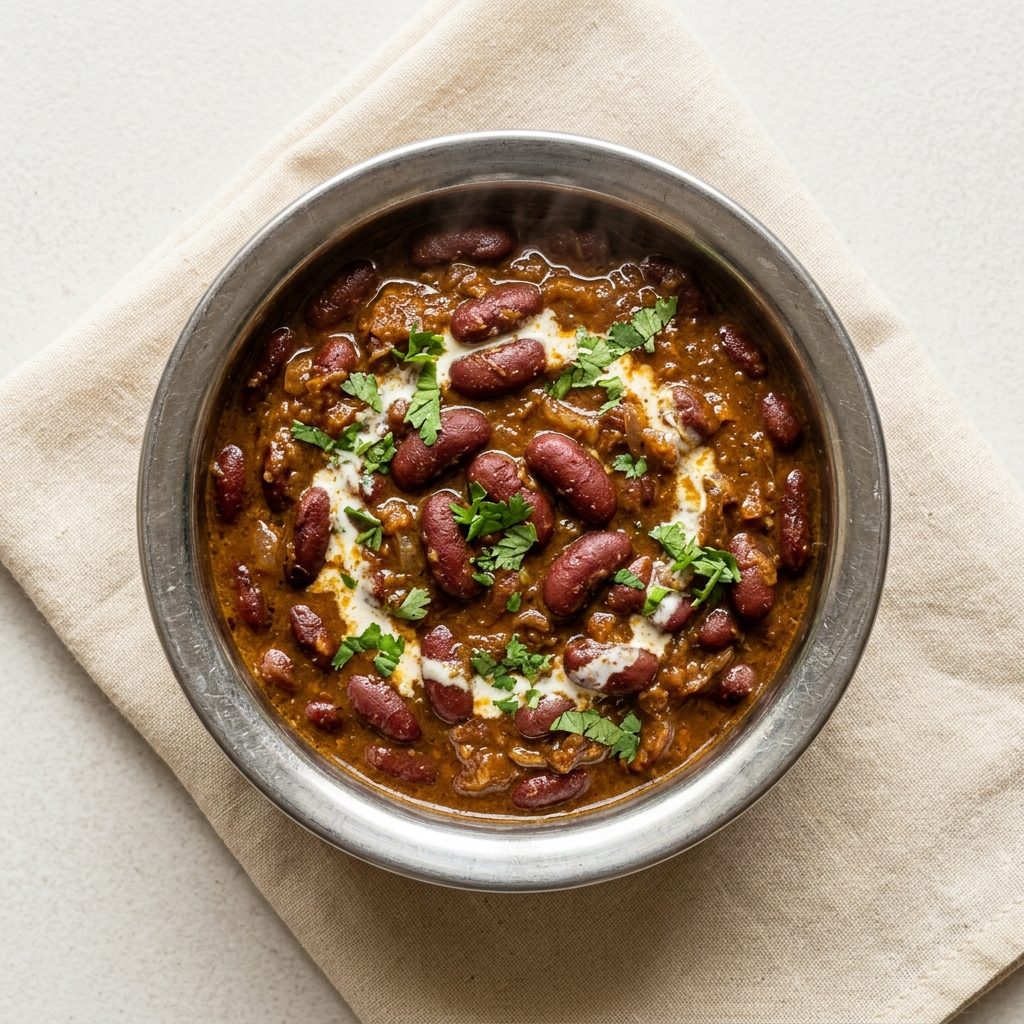
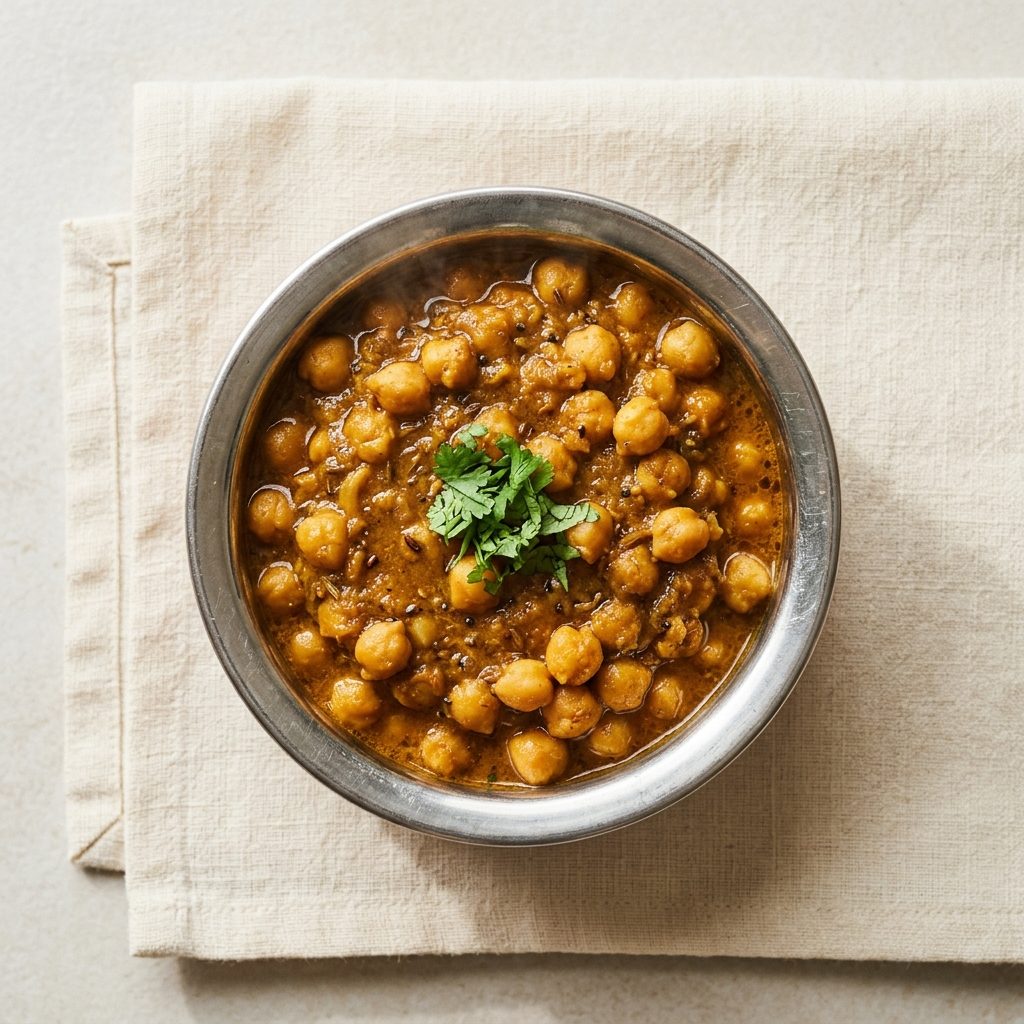
| Cooked rajma or chana | 7 to 9 g | Which is why a big serving matters. |
| Milk | 3 to 3.5 g per 100 ml | Small per serving, meaningful across a day. |
| Curd, full fat | 3 to 4 g | Volume makes it useful, not density. |
| Whey powder | 24 to 27 g per scoop | Convenience, not magic. |
The two lines that surprise people every time are soya chunks and cooked dal. Soya is far denser than anyone expects. Cooked dal is far thinner.
A worked day that reaches 100 grams
For a 70 kilogram person who trains. Ordinary Indian food, nothing imported, nothing joyless.
| Meal | What | Rough protein |
|---|---|---|
| Breakfast | Besan chilla from 60 g besan, plus 150 g curd | 17 to 19 g |
| Mid morning | 300 ml milk, in tea or on its own | 9 to 11 g |
| Lunch | 1 large katori rajma, 2 roti, 100 g paneer sabzi | 33 to 37 g |
| Evening | Sattu drink from 40 g sattu | 8 to 9 g |
| Dinner | Soya chunk curry from 50 g dry chunks, 1 roti, salad | 27 to 30 g |
That lands between roughly 94 and 106 grams without a scoop of anything.
Notice what changed. Nothing was removed. Two dishes were promoted from side to main, breakfast stopped being purely carbohydrate, and one drink did real work in the afternoon.
The structural change that makes it stick
Tactics do not survive a busy week. Structure does.
Build two meals a day around a named protein dish. Not a protein side. The dish that gets cooked first and served in the biggest quantity. Chana masala, paneer tikka, soya curry, rajma, tofu bhurji.
Make the dal thicker. Same dish, half the water. Roughly double the protein per katori for no extra effort and no new ingredient.
Fix breakfast once. Indian breakfasts run the most carbohydrate-heavy of the three meals. Besan chilla, sattu, paneer bhurji or moong dal chilla each add 15 to 20 grams before you have started the day.
Keep curd in the fridge and eat it in bowls, not spoons.
Where whey powder honestly sits
Whey is a convenience, not a requirement. Anyone selling it as a necessity is selling something.
The useful test is simple. Build the diet properly for three weeks and log it. If you are consistently landing 20 to 30 grams short of your target despite a well built plate, a single scoop closes that gap in fifteen seconds and is a perfectly reasonable purchase. If your food already gets you there, the tub in the corner is doing nothing.
If you do buy it, read the label rather than the front of the packet. That is a skill in itself, covered in reading Indian food labels.
Tracking this without losing your mind
Two things make a vegetarian protein target trackable rather than exhausting.
First, log the dish, not the ingredients. Rajma is rajma. The exception is dry weights: weigh soya chunks and sattu dry once, note the portion you actually use, and reuse that entry forever.
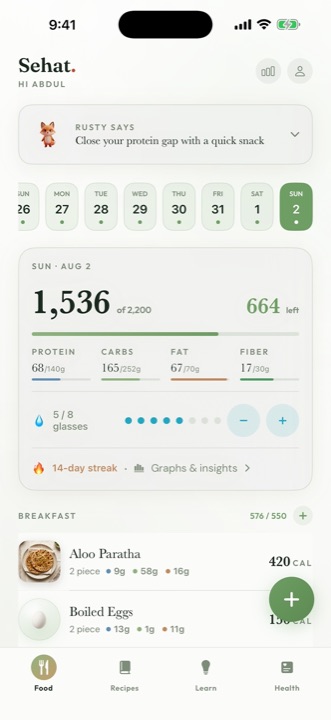
Second, if you are vegetarian, tell your tracker. Sehat has a veg mode, and a hard rule that its coach never suggests a non-vegetarian food to a vegetarian user. It is a small thing that matters enormously when the whole conversation is about protein and the standard advice everywhere else is a plate of chicken.
You are not fighting your diet. You are just serving it in the wrong ratio. Change what sits in the middle of the plate and the number follows.
Calorie figures on this page are typical ranges, not lab values. Indian recipes vary enormously between kitchens, so a number that is right for one house is wrong for the next. Sehat keeps a confidence level and a source note on every entry rather than pretending a single figure is the truth. This is general information, not medical advice.
Common questions
How much protein does a vegetarian in India need per day?
Someone who trains regularly should aim for roughly 1.2 to 1.6 grams per kilogram of bodyweight per day. For a 70 kilogram person that is about 85 to 110 grams. Someone sedentary needs less, closer to 0.8 to 1 gram per kilogram. Anyone with kidney disease should set targets with a doctor rather than from an article.
Is dal enough protein for a vegetarian?
No. A katori of cooked home-style dal delivers around 4 to 6 grams of protein because most of the bowl is water. Reaching 100 grams from dal alone would take an unrealistic number of servings. Dal is a genuine contributor to a day's total, but it works as a supporting player, not the main source.
What is the highest protein vegetarian food in India?
Dry soya chunks, at roughly 50 to 52 grams of protein per 100 grams before soaking. A 50 gram portion of dry chunks, which swells into a full bowl of curry, contributes around 25 grams. Paneer follows at roughly 18 to 20 grams per 100 grams, then peanuts and sattu in the low twenties.
Can you build muscle on a vegetarian Indian diet?
Yes, provided total protein and total calories are adequate. Muscle growth responds to the amount of protein and the training stimulus, not to whether the protein came from an animal. The practical challenge with vegetarian Indian food is hitting the total, since the default plate delivers well under what a training person needs.
Do I need whey protein powder as a vegetarian?
Not necessarily. Whey is convenient rather than essential, and it is worth considering only once whole foods have been pushed as far as they reasonably go. If you are consistently landing 20 to 30 grams short despite a well built diet, one scoop closes that gap in seconds. If your food already gets you there, it adds nothing.
Dishes mentioned
In the app
All of this, without the arithmetic.
The world's most complete Indian calorie counter.
Over 10,000 foods and spellings.
Log dal, roti and biryani by voice, in Hinglish, in the portions your kitchen actually uses. An AI coach reads your day and guides you. No coaches. No calls. No spam.
Download free on the App StoreAndroid is on the way.
Macros
Macros explained, for people who eat Indian food
Protein, carbs, fat and fibre, explained against a real Indian plate. Why the thali runs carb-heavy, a sane starting split, and how to fix the protein gap.
Nutrition
Paneer or chicken, which is the better protein?
An honest comparison of paneer and chicken on protein, fat and calories per gram of protein, plus where tofu and soya fit and why the preparation matters more.
Fitness
A vegetarian gym diet that actually works in India
Hitting protein on a vegetarian diet takes planning, not more dal. The core protein stack, a full day of Indian meals, and how to manage a strict veg kitchen.