Paneer or chicken, which is the better protein?
The short answer
Per 100 g, paneer holds roughly 18 to 20 g of protein with 20 to 22 g of fat. Chicken breast holds roughly 27 to 31 g of protein with only 3 to 4 g of fat. Chicken is leaner per gram of protein. Paneer is more satiating and carries calcium. How you cook either matters more than the choice.
Key takeaways
- Paneer holds roughly 18 to 20 g of protein per 100 g, chicken breast roughly 27 to 31 g.
- The real gap is fat. Paneer carries 20 to 22 g of fat per 100 g, chicken breast around 3 to 4 g.
- Per gram of protein, paneer costs roughly 14 to 17 calories and chicken breast roughly 4 to 5. That matters in a tight deficit and matters far less otherwise.
- Tofu and soya chunks close the gap for vegetarians. Soya chunks carry roughly 50 to 52 g of protein per 100 g dry, the highest of any common Indian ingredient.
- How you cook it swamps what you cook. Tikka and butter masala made from the same paneer can differ by hundreds of calories per serving.
Ask this question in any Indian gym and you will get an argument rather than an answer. One side says paneer is a complete protein and nothing else is needed. The other side says paneer is basically fat with some protein in it.
The truth is duller and more useful. Both are strong protein sources with different trade-offs, and for most people the choice is settled by what they eat anyway rather than by a gram count.
Here are the actual numbers, and then the part that matters more than the numbers.
The honest comparison per 100 g
These are ingredient-level ranges, which is where reliable figures exist.
| Per 100 g | Protein | Fat | Rough calories |
|---|---|---|---|
| Paneer, full fat | 18 to 20 g | 20 to 22 g | 265 to 300 |
| Paneer, low fat | 20 to 24 g | 6 to 10 g | 160 to 200 |
| Chicken breast, skinless | 27 to 31 g | 3 to 4 g | 145 to 165 |
| Chicken thigh, skinless | 24 to 26 g | 8 to 11 g | 175 to 200 |
| Tofu, firm | 12 to 16 g | 7 to 9 g | 130 to 160 |
| Soya chunks, dry | 50 to 52 g | 0.5 to 1 g | 330 to 350 |
Two things jump out. Chicken breast delivers more protein per 100 g and far less fat. And soya chunks, dry, beat everything on the table by a distance, though 100 g dry rehydrates into a very large amount of food.
Note that soya chunks are weighed dry. Once soaked they roughly triple in weight, so a realistic serving of 25 to 30 g dry gives you about 13 to 15 g of protein.
The calorie cost of each gram of protein
This is the metric that actually decides things when you are in a deficit.
- Chicken breast: roughly 4 to 5 calories per gram of protein.
- Low fat paneer: roughly 7 to 9 calories per gram of protein.
- Soya chunks: roughly 6 to 7 calories per gram of protein.
- Tofu: roughly 9 to 11 calories per gram of protein.
- Full fat paneer: roughly 14 to 17 calories per gram of protein.
If you have 1,600 calories to work with and a 120 g protein target, that difference is the whole game. Getting 40 g of protein from chicken breast costs you around 200 calories. Getting the same 40 g from full fat paneer costs around 600.
If you are eating 2,400 calories to build muscle, the same difference barely registers, and the extra fat in paneer is doing useful work rather than getting in the way. Context decides. Our guides to fat loss on an Indian diet and eating for muscle gain go into how that budget shifts.
Where paneer clearly wins
Paneer is not a consolation prize. It has genuine advantages that a protein-per-gram table hides completely.
It is complete and it is dairy. Paneer carries all nine essential amino acids and a meaningful amount of calcium, roughly 200 mg per 100 g, which most Indian diets are short on.
It is more satiating per bite. The fat content slows digestion. A 100 g serving of paneer tikka holds you longer than a similar weight of grilled chicken does for most people, which is a real advantage if hunger is what breaks your week.
It cooks into almost anything. Bhurji at breakfast, tikka as a snack, a sabzi at dinner, cubed into a salad, crumbled into a paratha. Chicken is versatile too, but paneer needs no marination time and cooks in four minutes.
It keeps. A block in the fridge is ready protein with no thawing, no food safety anxiety, and no separate chopping board.
It fits without exception. For a vegetarian household, and that is a very large share of India, paneer is not the fallback. It is the primary. Nothing about a vegetarian plate needs defending, and nothing here is second best.
Where chicken clearly wins
Leanness. When you need protein without calories, chicken breast is the most efficient whole food available in India. Nothing vegetarian matches it except soya chunks, which many people find hard to eat in volume.
Volume for the calories. 200 g of chicken breast is a large amount of food for roughly 300 calories and 55 to 60 g of protein. Getting 55 g of protein from full fat paneer would cost you close to 850 calories.
Iron and B12. Chicken carries heme iron, which absorbs more readily than the iron in plant foods, and vitamin B12, which vegetarians typically get from dairy alone.
If you are cutting hard, tracking closely and eat non-vegetarian food, chicken breast makes the arithmetic much easier. That is the honest case for it.
The third option most people ignore
Tofu and soya chunks sit awkwardly between the two, and they solve a problem neither paneer nor chicken solves.
Soya chunks are the highest protein ingredient in common Indian use, at roughly 50 to 52 g per 100 g dry, with almost no fat. Cooked into a keema-style masala or a curry, they take on whatever you cook them in. The catch is texture, which people either accept or never do.
Tofu carries less protein than paneer per 100 g but roughly a third of the fat, so per gram of protein it comes out well ahead of full fat paneer. It behaves almost exactly like paneer in a tikka or a bhurji.
A vegetarian who alternates paneer, tofu, soya chunks, curd and dal has no protein problem at all. The problem only appears when paneer is asked to do the entire job by itself.
The preparation matters more than the ingredient
Here is the thing that overturns most of the discussion above.
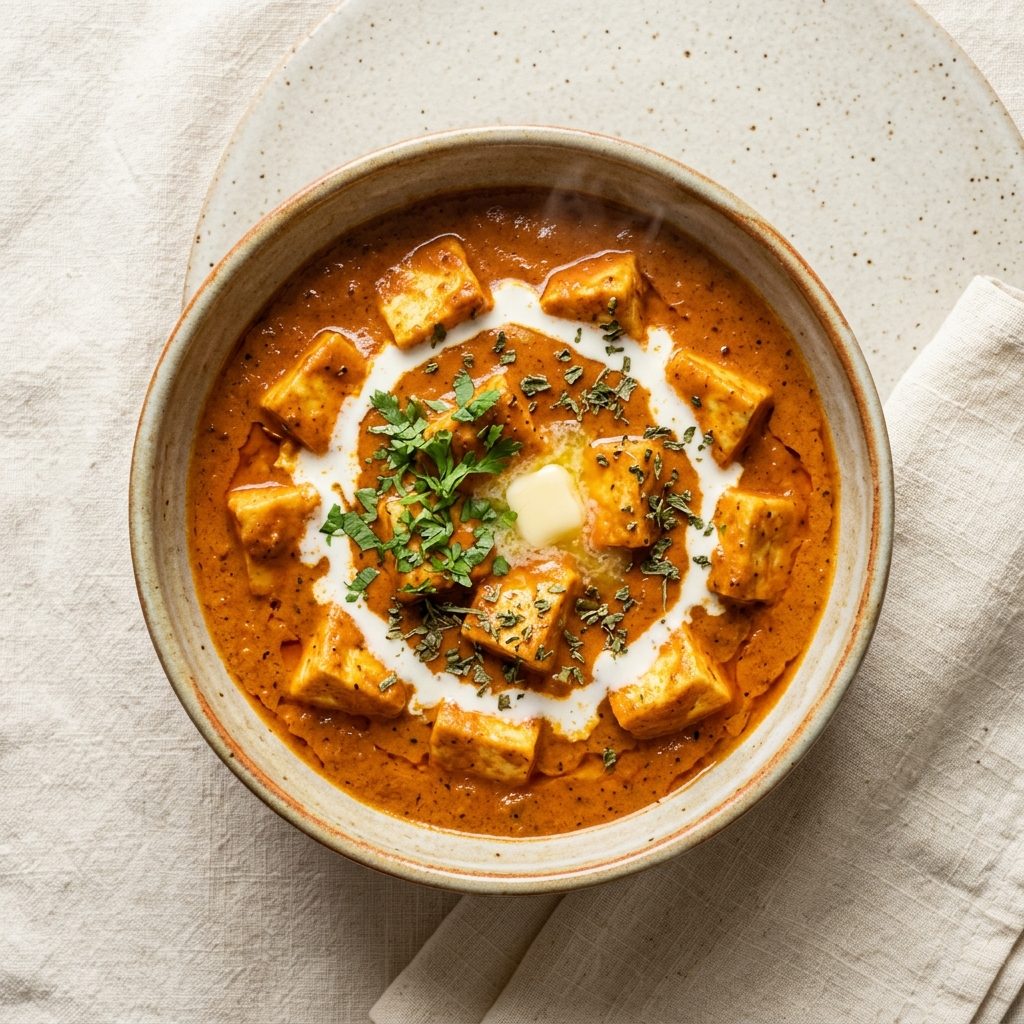
Chicken tikka and butter chicken start from the same bird. Paneer tikka and paneer butter masala start from the same block. Within each pair, the calorie difference per serving runs into the hundreds, and it comes entirely from cream, butter, cashew paste and the oil in the gravy.
A korma made with cashew and cream can carry more added fat than the protein source itself contributes. This holds equally for chicken korma and for paneer korma, which is exactly the point.
Ranked by how much the cooking adds, from least to most:
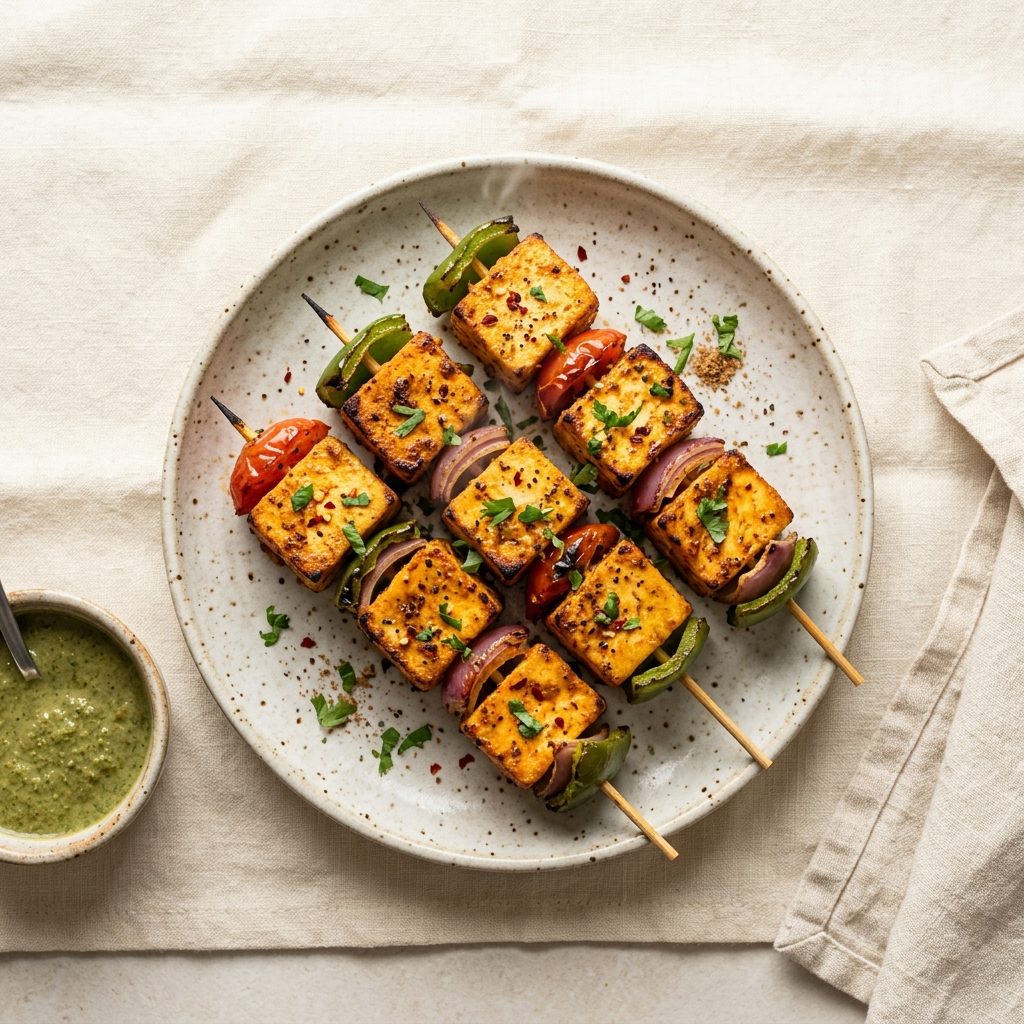
- Grilled, tandoori or tikka. Closest to the raw ingredient.
- Bhurji, sukka or dry sabzi. Modest oil, no cream.
- Tomato or onion gravy. Moderate.
- Butter masala, makhani, korma, shahi. Cream, butter and often cashew.
Choosing the preparation moves your number further than choosing between paneer and chicken. That is worth more than any per 100 g table.
So which one should you eat
Eat the one you will actually eat, prepared in a way that fits your calories.
If you are vegetarian, paneer is a complete, high quality protein and you are not compromising. Rotate it with tofu, soya, curd and dal so the fat does not stack up, and lean on grilled preparations when your budget is tight.
If you eat everything, chicken breast makes a hard cut easier, and there is no reason to give up paneer to use it. Most people who track well end up using both.
The question was never really paneer or chicken. It was how much oil went into the pan, and how much ended up on your plate.
Calorie figures on this page are typical ranges, not lab values. Indian recipes vary enormously between kitchens, so a number that is right for one house is wrong for the next. Sehat keeps a confidence level and a source note on every entry rather than pretending a single figure is the truth. This is general information, not medical advice.
Common questions
Does paneer have as much protein as chicken?
Not quite. Paneer holds roughly 18 to 20 g of protein per 100 g and chicken breast roughly 27 to 31 g. Paneer also carries far more fat, around 20 to 22 g against 3 to 4 g. Paneer is still a strong protein source, it just brings more calories along with it.
Is paneer good for weight loss?
Yes, when the portion is controlled and the preparation is light. Paneer is high in protein and very satiating, which helps with hunger. The fat content means it is calorie dense, so 100 to 150 g grilled or in a light gravy works better in a deficit than a large serving in a cream-based curry.
What is the highest protein vegetarian food in India?
Soya chunks, at roughly 50 to 52 g of protein per 100 g dry, which is far ahead of anything else commonly eaten. Paneer, tofu, dal, rajma, chole and curd follow. A whey supplement is the other efficient option if you struggle to hit a target from food alone.
How much paneer should I eat in a day?
There is no fixed limit. Most people building meals around it land between 100 and 200 g a day, which supplies roughly 18 to 40 g of protein. Because paneer is calorie dense from the fat, the amount that suits you depends on your total calorie target more than on any rule about paneer itself.
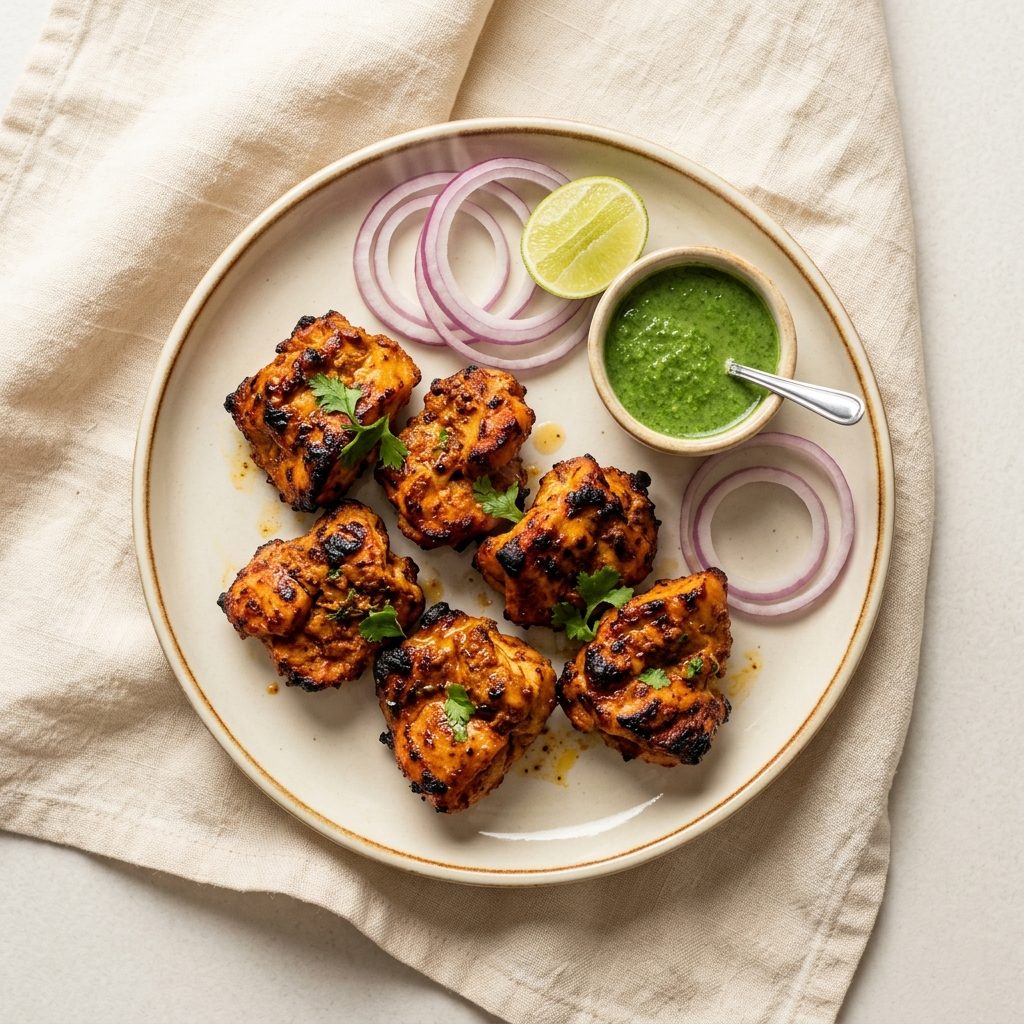
Is chicken tikka healthier than butter chicken?
They differ a lot in calories, mostly from the gravy. Chicken tikka is marinated and grilled, so it is close to the raw ingredient. Butter chicken adds cream, butter and a tomato base, which can add several hundred calories per serving. Both are the same chicken. The cooking method is the variable.
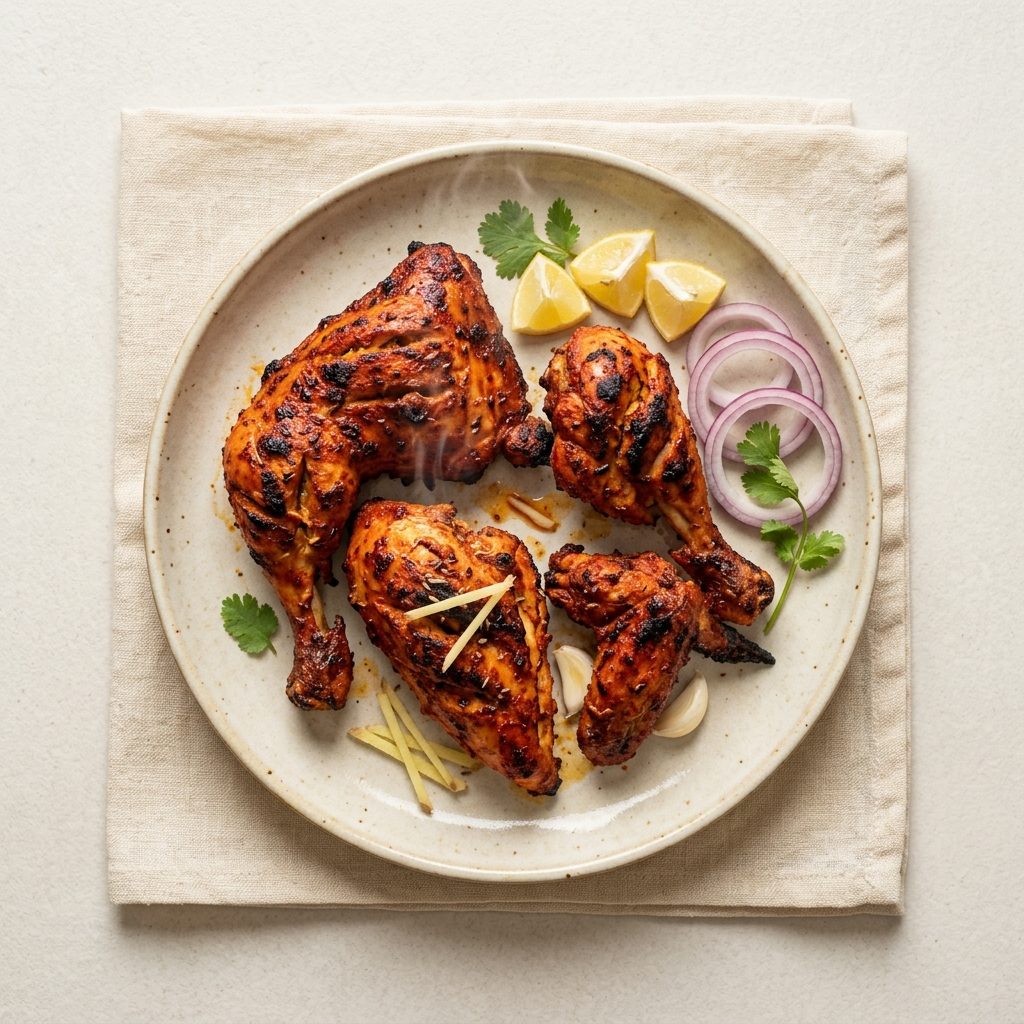
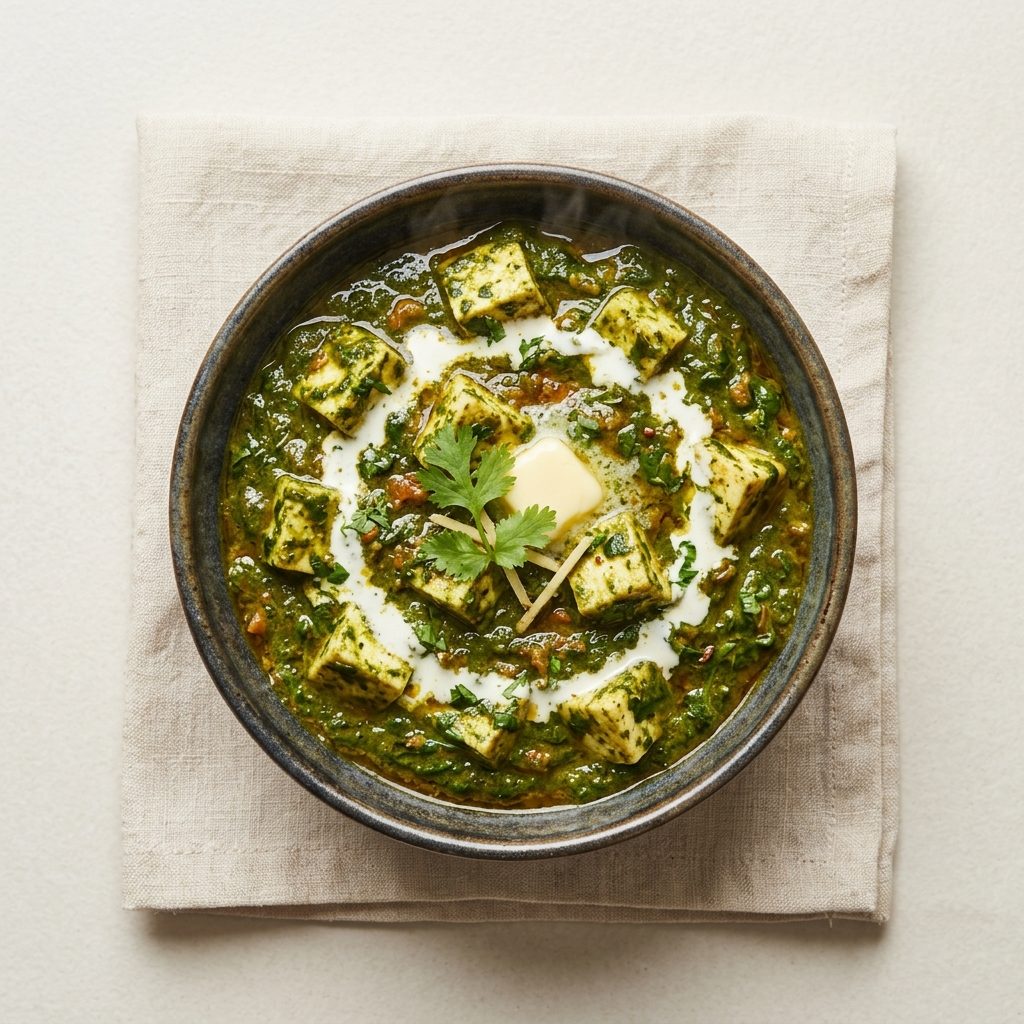
Dishes mentioned
In the app
All of this, without the arithmetic.
The world's most complete Indian calorie counter.
Over 10,000 foods and spellings.
Log dal, roti and biryani by voice, in Hinglish, in the portions your kitchen actually uses. An AI coach reads your day and guides you. No coaches. No calls. No spam.
Download free on the App StoreAndroid is on the way.
Macros
How to hit your protein target on a vegetarian Indian diet
The real protein sources in Indian vegetarian food, ranked, with a worked day that reaches 100 grams. Plus why dal alone will never get you there.
Macros
Macros explained, for people who eat Indian food
Protein, carbs, fat and fibre, explained against a real Indian plate. Why the thali runs carb-heavy, a sane starting split, and how to fix the protein gap.
Fitness
Building muscle on Indian food
A calorie surplus of 200 to 400, a real protein target per kilo, and how to restructure dal, roti and sabzi for muscle gain without leaving the cuisine.