Building muscle on Indian food
The short answer
To build muscle on an Indian diet, eat roughly 200 to 400 calories above maintenance and take in 1.6 to 2.2 grams of protein per kilo of bodyweight daily. The standard plate is carb heavy and protein light, so anchor every meal to paneer, soya, eggs, chicken, curd or dal before you add the roti.
Key takeaways
- A muscle gain surplus is small. Roughly 200 to 400 calories above maintenance, not a free-for-all.
- Protein target is 1.6 to 2.2 grams per kilo of bodyweight. A 70 kg person needs roughly 112 to 154 grams a day.
- The standard Indian plate delivers plenty of carbs and rarely enough protein, because dal and roti are doing a job they were never built for.
- Anchor every meal to a protein source first, then build the carbs around it. That single reorder fixes most Indian muscle gain diets.
- Gaining faster than roughly 0.25 to 0.5 percent of bodyweight a week mostly adds fat, not muscle.
- No amount of food builds muscle without progressive training and enough sleep. Diet is one of three levers.
There are two ways to get muscle gain wrong on an Indian diet. Eat everything in sight, call it a bulk, and end up carrying a stomach you did not order. Or eat carefully, train hard, and find that after four months absolutely nothing has changed.
Both are the same failure. Nobody counted.
Muscle gain is not complicated. It needs a small energy surplus, enough protein, and training that actually asks your body for the muscle. Indian food covers all three comfortably. It just needs restructuring, not replacing.
How big should the calorie surplus be
Roughly 200 to 400 calories above maintenance. That is the whole answer.
This surprises people who grew up on the idea that bulking means eating like it is a wedding every night. It does not. Your body can only assemble new muscle tissue at a limited rate, and beyond a point extra calories have nowhere to go except fat storage.
Start by working out roughly how many calories you need a day, then add a modest amount on top. Two hundred calories is about a glass of full-fat milk and a handful of nuts. That is genuinely all a lean gaining phase requires.
The tell is on the scale. Aim for roughly 0.25 to 0.5 percent of bodyweight gained per week. For a 70 kg person that is around 175 to 350 grams. If you are putting on a kilo a week, you are not bulking. You are just eating more.
How much protein you actually need
Between 1.6 and 2.2 grams per kilo of bodyweight, per day.
A 60 kg person needs roughly 96 to 132 grams. A 75 kg person needs roughly 120 to 165. Going above the top of that range does not add anything useful, and going below the bottom of it is where most Indian gym diets quietly fail.
Spread it out. Four or five eating occasions with 25 to 40 grams of protein each is far easier to hit than two enormous meals, and easier on digestion too. If macros are new to you, the macro breakdown for an Indian diet is worth reading first.
Why the standard Indian plate falls short
The everyday thali is a carbohydrate delivery system with protein as a garnish. That is not a criticism of the cuisine. It is just what it was designed to do.
Look at the arithmetic. A katori of home-style dal carries roughly 4 to 7 grams of protein. A roti carries roughly 2 to 3. A katori of mixed sabzi carries almost none. Eat three roti, two katori of dal and a sabzi and you have had a satisfying, substantial meal that landed somewhere near 15 to 20 grams of protein.
Do that three times a day and you finish at 50 or 60 grams. A 70 kg person training four times a week needed twice that.
Meanwhile the carbohydrate side is generous. Rice, roti, potato in the sabzi, sugar in the chai. Calories are rarely the problem for an Indian trying to gain. Protein density is.
Restructure the meal, do not replace it
The fix is an order change, not a cuisine change. Decide the protein first, then build the rest of the plate around it.
- Where dal was the main dish, make it the side and put paneer, soya, eggs or chicken in the centre.
- Add curd or a small bowl of greek yoghurt to lunch and dinner by default. It is the least effortful 8 to 20 grams available in an Indian kitchen.
- Keep dal in the meal. It is doing useful work on fibre and micronutrients, and dal deserves its place. It just is not your protein source.
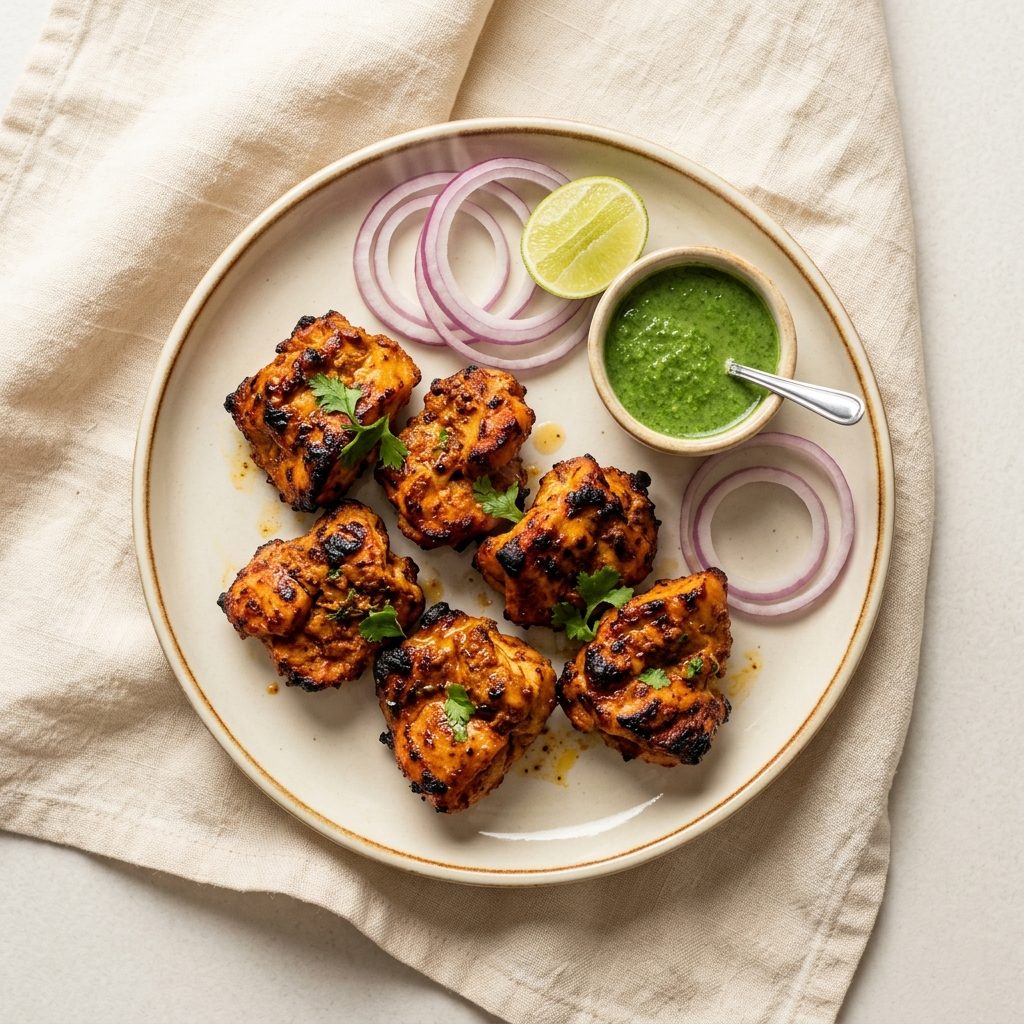
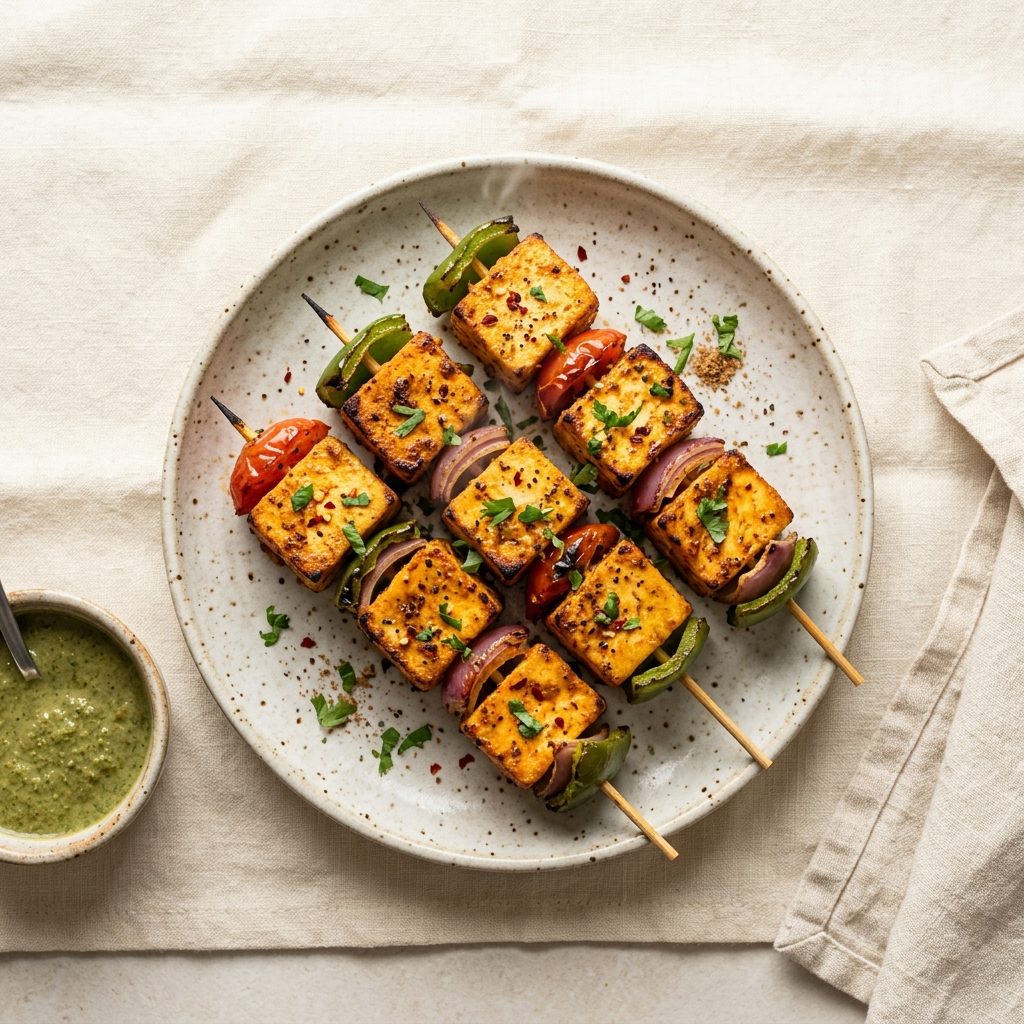
- Cook a protein in bulk once. Chicken in a dry masala, paneer tikka, soya keema, boiled eggs. Reheating is what makes a plan survive a work week.
Useful anchors, per 100 grams: paneer holds roughly 18 to 20 grams of protein, cooked chicken breast roughly 27 to 31, tofu roughly 8 to 12, and dry soya chunks a remarkable 50 or so before rehydrating. One large egg is roughly 6. A 250 ml glass of milk is roughly 8.
A sample vegetarian day
This is a template, not a prescription. Scale portions to your own surplus.
- Breakfast. Paneer bhurji made with 100 to 150 g paneer, two roti, a glass of milk.
- Mid morning. A bowl of curd or greek yoghurt with a banana and a spoon of peanut butter.
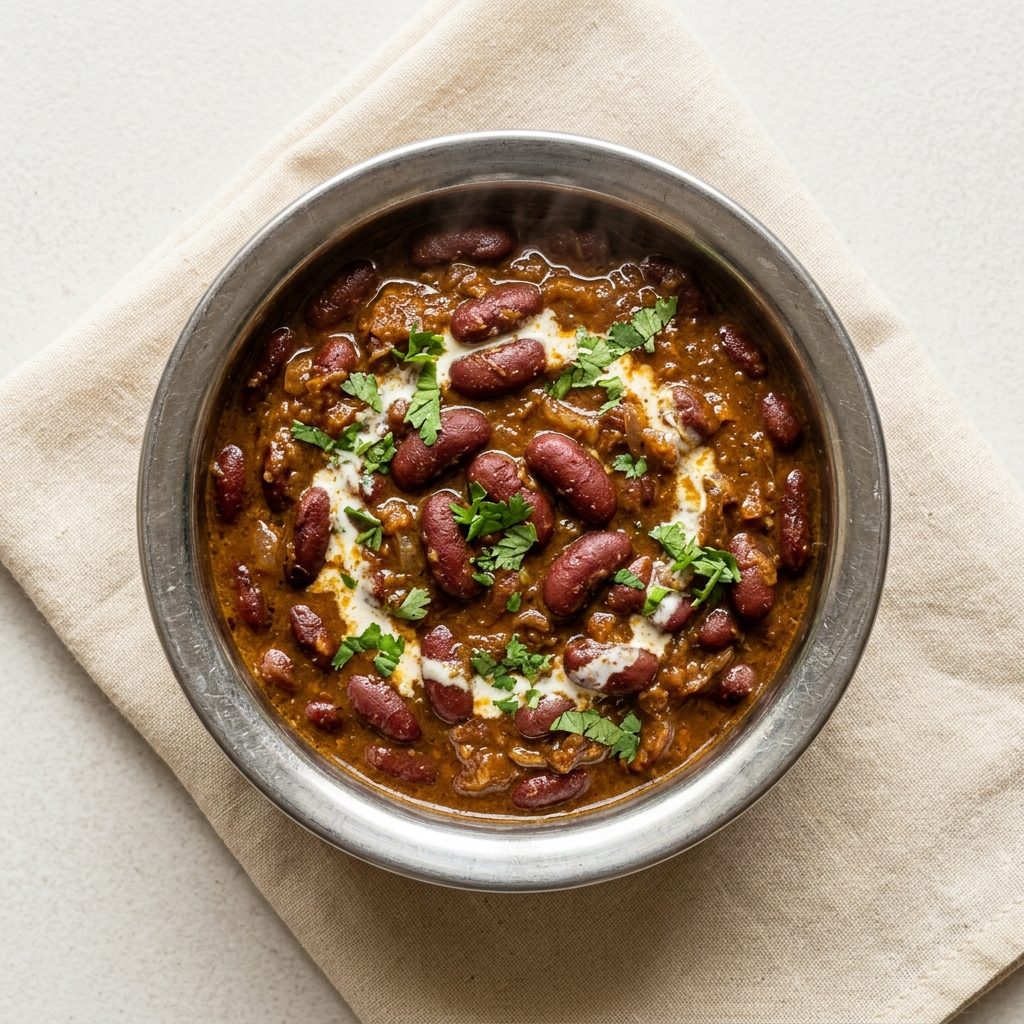
- Lunch. Rajma with rice, a katori of curd, a side salad.
- Pre or post training. Sattu drink, or a whey shake if you use one.
- Dinner. Soya chunk curry or kadai paneer with two roti and sabzi.
That structure lands comfortably in the 120 to 150 gram protein band for most people, without a single meal that looks foreign at an Indian table. If you eat only vegetarian, the vegetarian gym diet guide goes deeper on the constraint.
A sample day if you eat eggs and meat
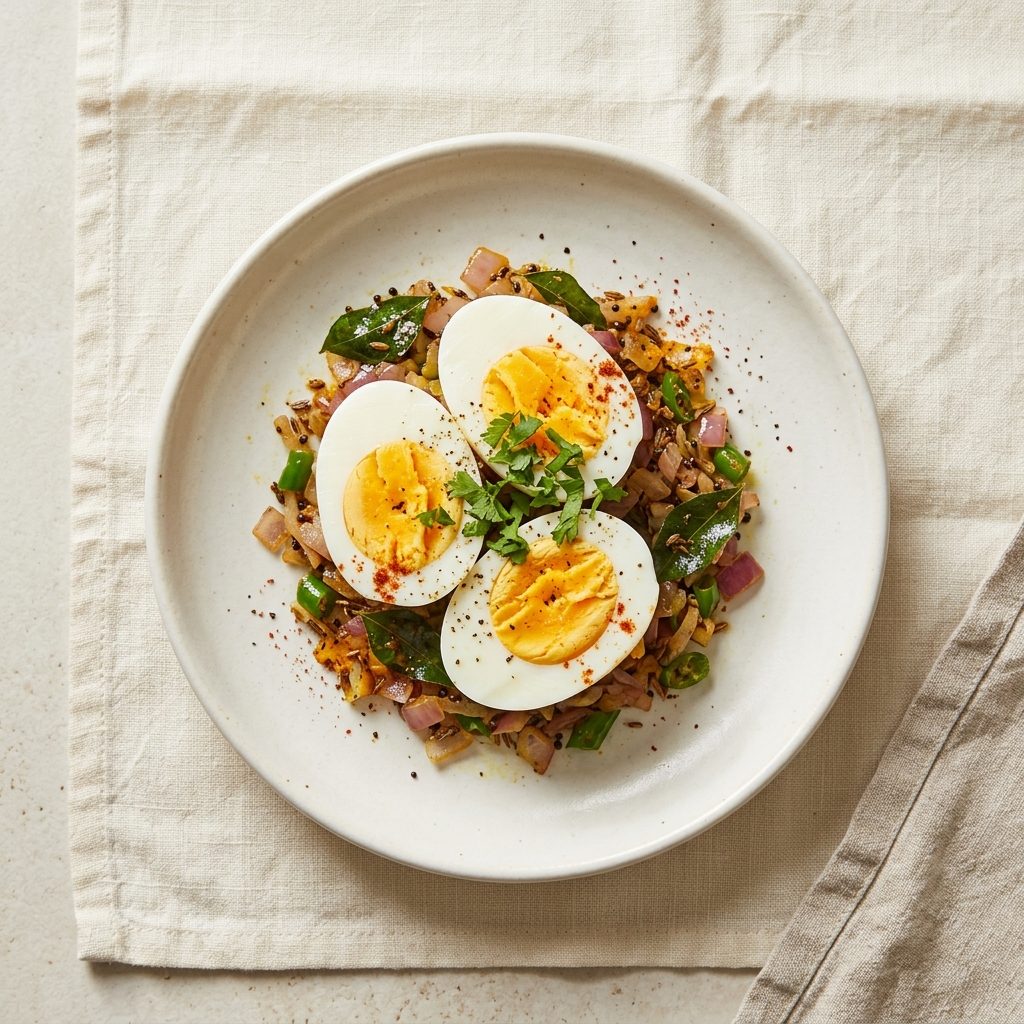
- Breakfast. Three or four egg omelette or bhurji, two toast or two roti, milk.
- Mid morning. Curd, fruit, a handful of nuts.
- Lunch. Chicken curry with rice, dal on the side, salad.
- Pre or post training. Milk, a shake, or a few boiled eggs.
- Dinner. Chicken tikka or fish with roti, sabzi and curd.
Non-vegetarian eaters usually find the protein target easier and the calorie target harder, because lean meat is filling and not especially calorie dense. If that is you, milk, rice, nuts and ghee are the honest tools for closing the gap.
Track it for four weeks, then judge
You do not need to log forever. You do need to log long enough to learn what your normal week actually contains, because almost nobody guesses their protein correctly on the first try.
Log in the portions your kitchen uses, katori and roti and piece, and let the app do the conversion. Sehat was built exactly for this, with over 10,000 foods and spellings, so soya chunk curry and paneer bhurji resolve without you inventing entries. After a month you will know your numbers by feel and can stop measuring.
The part no diet fixes
You can eat perfectly and gain nothing.
Muscle is built by asking for it. That means a training programme with progressive overload, where the weight, the reps or the quality of the sets goes up over time. Repeating the same three sets with the same dumbbells for a year is not a stimulus, no matter what you eat afterwards.
Sleep is the other half of the same point. Poor sleep flattens recovery, appetite regulation and training quality all at once, and no surplus compensates for it. Seven to nine hours is not a lifestyle nicety here. It is part of the programme.
Food, training, sleep. Get two right and you make slow progress. Get all three right and the results stop being mysterious.
Calorie figures on this page are typical ranges, not lab values. Indian recipes vary enormously between kitchens, so a number that is right for one house is wrong for the next. Sehat keeps a confidence level and a source note on every entry rather than pretending a single figure is the truth. This is general information, not medical advice.
Common questions
How many calories do I need to gain muscle in India?
Work out your maintenance calories first, then add roughly 200 to 400 on top. For most adults that lands somewhere between 2,200 and 3,000 a day, depending on bodyweight, job and training volume. A bigger surplus does not build muscle faster. It just adds fat that you have to remove later.
How much protein do I need per day to build muscle?
Between 1.6 and 2.2 grams per kilo of bodyweight is the range most evidence supports for people training seriously. Someone at 65 kg needs roughly 105 to 145 grams daily. Spread it across four or five eating occasions rather than trying to eat it all at dinner.
Can you build muscle on a vegetarian Indian diet?
Yes, but it takes planning rather than more dal. Paneer, soya chunks, curd, greek yoghurt, sattu, tofu, milk and legumes can comfortably cover 130 grams of protein a day. The constraint is that vegetarian protein sources usually arrive with carbs or fat attached, so portions need managing.
Is rice bad for muscle gain?
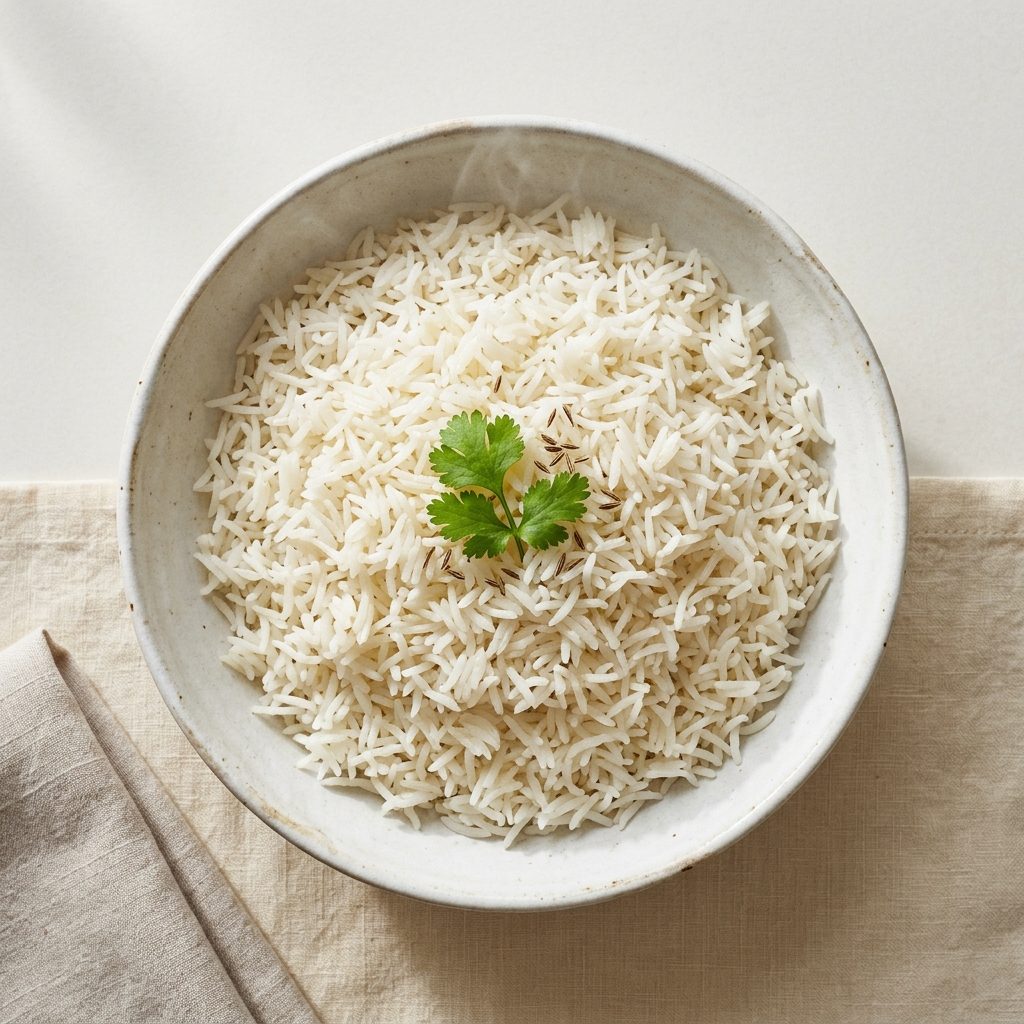
No. Rice is an efficient, easily digested carbohydrate and it makes hitting a surplus far easier than fighting through more roti. Carbohydrate also fuels training. The problem was never rice. It is a plate where rice is the only thing present in volume.
How fast should I gain weight when bulking?
Roughly 0.25 to 0.5 percent of your bodyweight per week. For a 70 kg person that is about 175 to 350 grams. Faster than that and the extra is mostly fat. Weigh yourself a few mornings a week and judge by the four week average, not by single days.
Dishes mentioned
In the app
All of this, without the arithmetic.
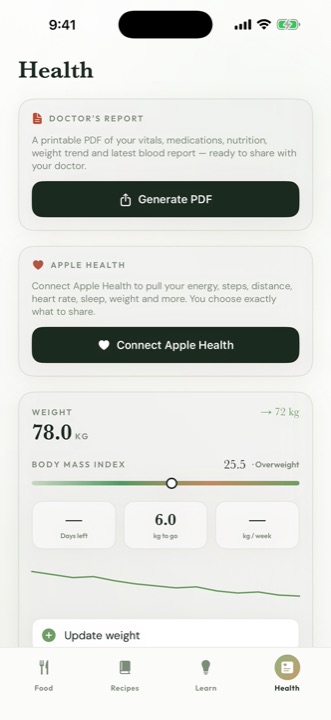
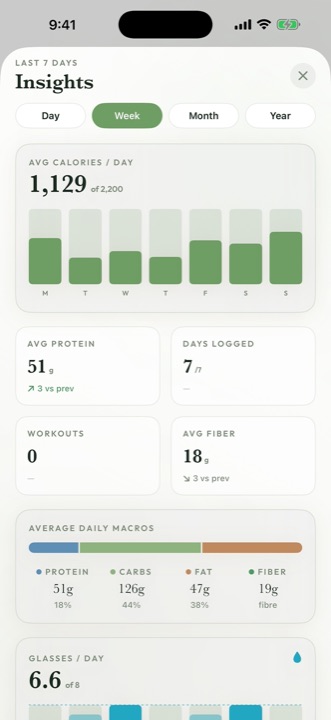
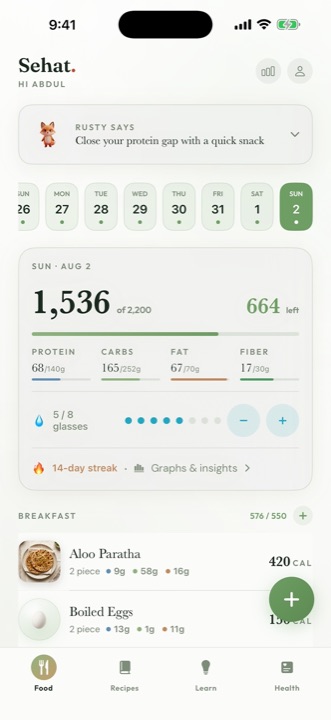
The world's most complete Indian calorie counter.
Over 10,000 foods and spellings.
Log dal, roti and biryani by voice, in Hinglish, in the portions your kitchen actually uses. An AI coach reads your day and guides you. No coaches. No calls. No spam.
Download free on the App StoreAndroid is on the way.
Macros
Macros explained, for people who eat Indian food
Protein, carbs, fat and fibre, explained against a real Indian plate. Why the thali runs carb-heavy, a sane starting split, and how to fix the protein gap.
Macros
How to hit your protein target on a vegetarian Indian diet
The real protein sources in Indian vegetarian food, ranked, with a worked day that reaches 100 grams. Plus why dal alone will never get you there.
Fitness
Losing fat without giving up Indian food
A moderate deficit, protein held high, and the cooking oil lever that changes everything. How to lose fat while still eating roti, rice and dal every day.