A vegetarian gym diet that actually works in India
The short answer
A vegetarian gym diet in India works when it is built on a deliberate protein stack rather than dal alone. Paneer, soya chunks, curd and greek yoghurt, sattu, tofu, milk, legumes and whey can comfortably deliver 120 to 150 grams of protein a day across normal Indian meals.
Key takeaways
- Vegetarian protein targets are entirely achievable. They just need planning, because dal alone will not get you there.
- The core stack is paneer, soya chunks, curd and greek yoghurt, sattu, tofu, milk, legumes and whey if you use it.
- Dry soya chunks carry roughly 50 grams of protein per 100 grams, which makes them the most protein dense item in most Indian kitchens.
- Most vegetarian protein arrives with carbohydrate or fat attached, so the calorie side needs watching as the protein goes up.
- In a shared vegetarian household kitchen, add a protein to the family meal rather than cooking a separate one.
- Eggs are a personal decision, not a requirement. Plenty of people hit 150 grams of protein a day without them.
There is a particular conversation every vegetarian who lifts has had. Somebody at the gym, usually holding a shaker, explains that you cannot really build muscle without chicken.
They are wrong, and the evidence is not close. But they are wrong about the conclusion while being half right about the difficulty. A vegetarian diet does not hand you protein the way a non-vegetarian one does. You have to go and get it.
So this is the honest version. Not a list of superfoods. The actual constraint, the actual stack, and a day that works in a normal Indian kitchen.
The honest constraint
Hitting a protein target on a vegetarian diet takes deliberate planning. It does not take more dal.
Here is why. Most people training seriously want roughly 1.6 to 2.2 grams of protein per kilo of bodyweight. For a 65 kg person that is 105 to 145 grams a day. A katori of home-style dal carries roughly 4 to 7 grams. A roti carries roughly 2 to 3. A sabzi carries almost none.
Reaching 130 grams from a standard vegetarian plate would mean eating an absurd quantity of food, most of it carbohydrate. That is the whole problem in one paragraph. It is not that vegetarian protein does not exist. It is that the default Indian vegetarian meal was not designed around protein density, and adding more of the same meal does not fix a density problem.
The second constraint is quieter. Most vegetarian protein sources arrive with carbohydrate or fat attached. Paneer brings fat, legumes bring carbohydrate, milk brings both. So as protein goes up, calories go up too, which is fine when you are gaining and needs managing when you are not.
The core protein stack
These nine items do the work. Everything else is a variation.
| Source | Protein, per 100 g unless stated | Notes |
|---|---|---|
| Paneer | roughly 18 to 20 g | Easy to cook, high in fat. Low fat versions exist |
| Soya chunks, dry | roughly 50 g | The densest option in most Indian kitchens |
| Curd | roughly 3 to 4 g | Low per gram, but you eat a lot of it |
| Greek yoghurt | roughly 8 to 10 g | Strained, so far denser than regular curd |
| Sattu | roughly 20 to 23 g | Roasted gram flour. Makes a drink in one minute |
| Tofu | roughly 8 to 12 g | Lower fat than paneer, takes masala well |
| Milk | roughly 8 g per 250 ml glass | The easiest protein nobody counts |
| Legumes, dry | roughly 20 to 25 g | Rajma, chana, moong, urad. Cooked values are much lower |
| Whey | roughly 20 to 25 g per scoop | Optional. Convenience, not a requirement |
Two practical notes on that table. Dry weights and cooked weights are wildly different, because legumes and soya absorb water. Thirty grams of dry soya chunks becomes a full bowl of curry. And curd looks unimpressive per 100 grams until you notice that a decent katori twice a day, plus milk, quietly adds 20 grams to your total.
A full day, built around Indian meals
Roughly 130 grams of protein, in food that looks normal at an Indian table.
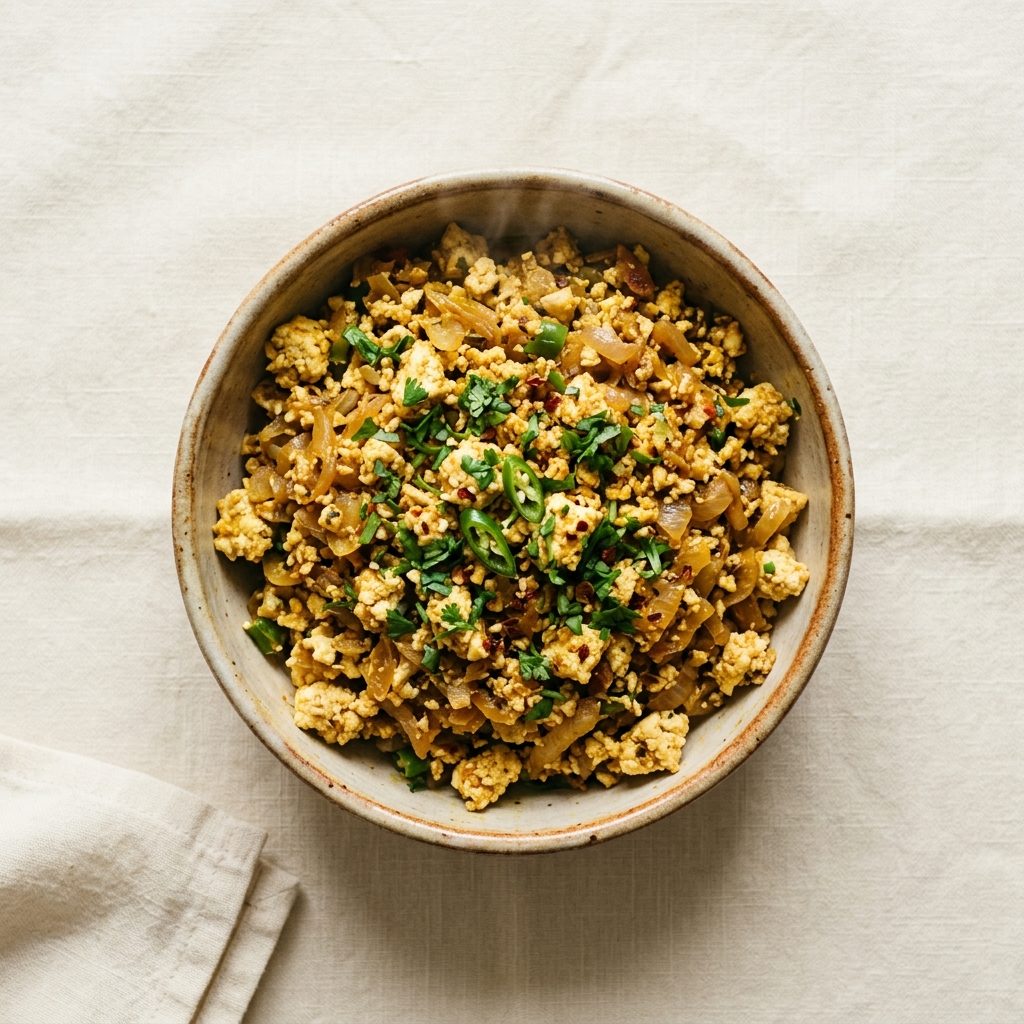
- Breakfast. Paneer bhurji made with 120 g paneer, two roti, a glass of milk. Around 32 to 36 g.
- Mid morning. A katori of greek yoghurt with fruit and a spoon of peanut butter. Around 15 to 18 g.
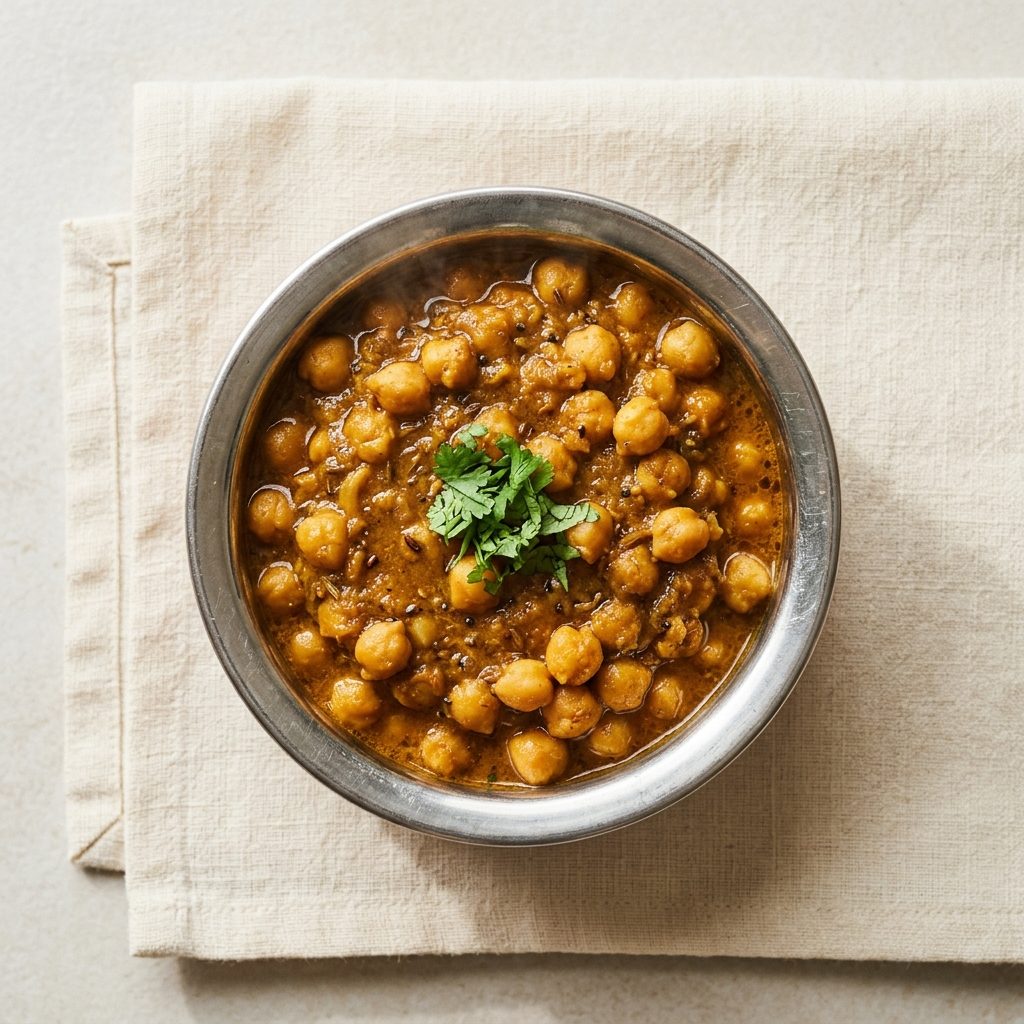
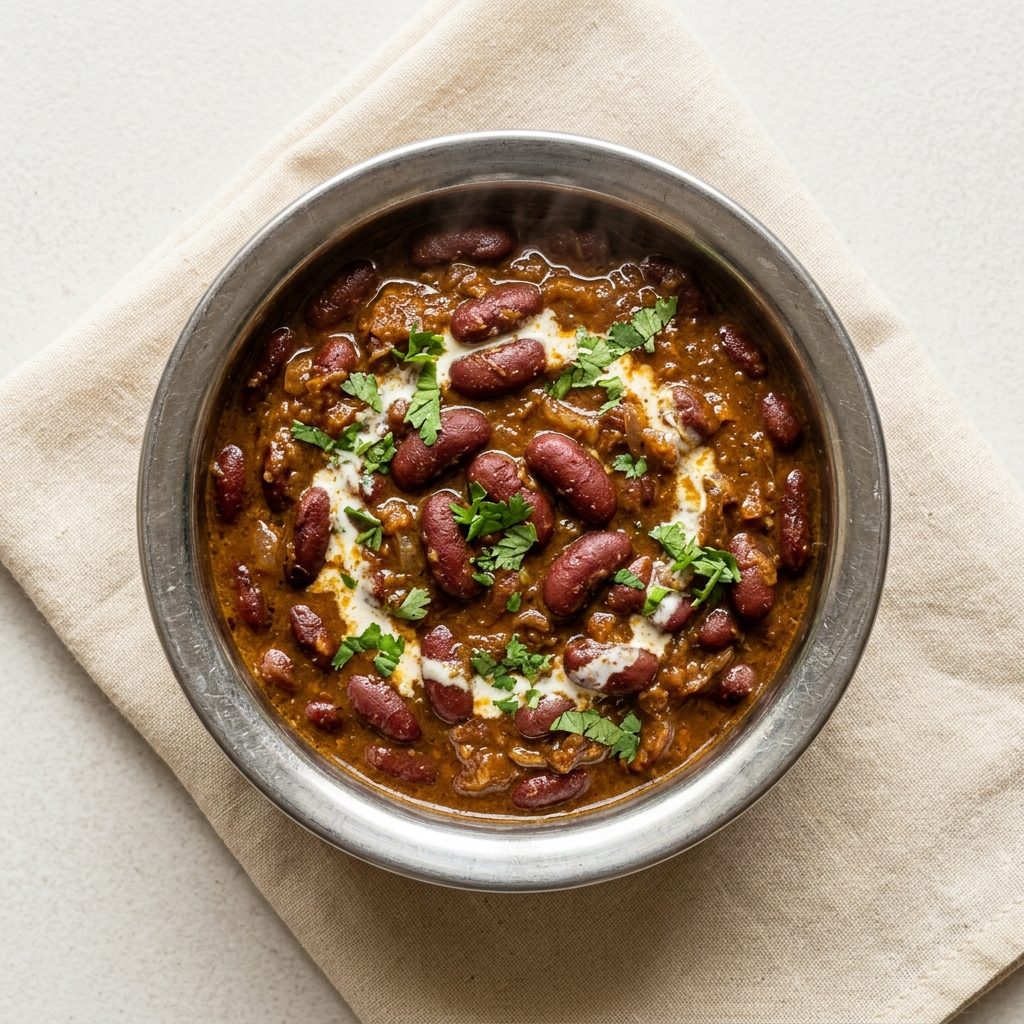
- Lunch. Rajma or chana masala with rice, a katori of curd, salad. Around 22 to 28 g.
- Pre or post training. A sattu drink, or a whey shake. Around 20 to 25 g.
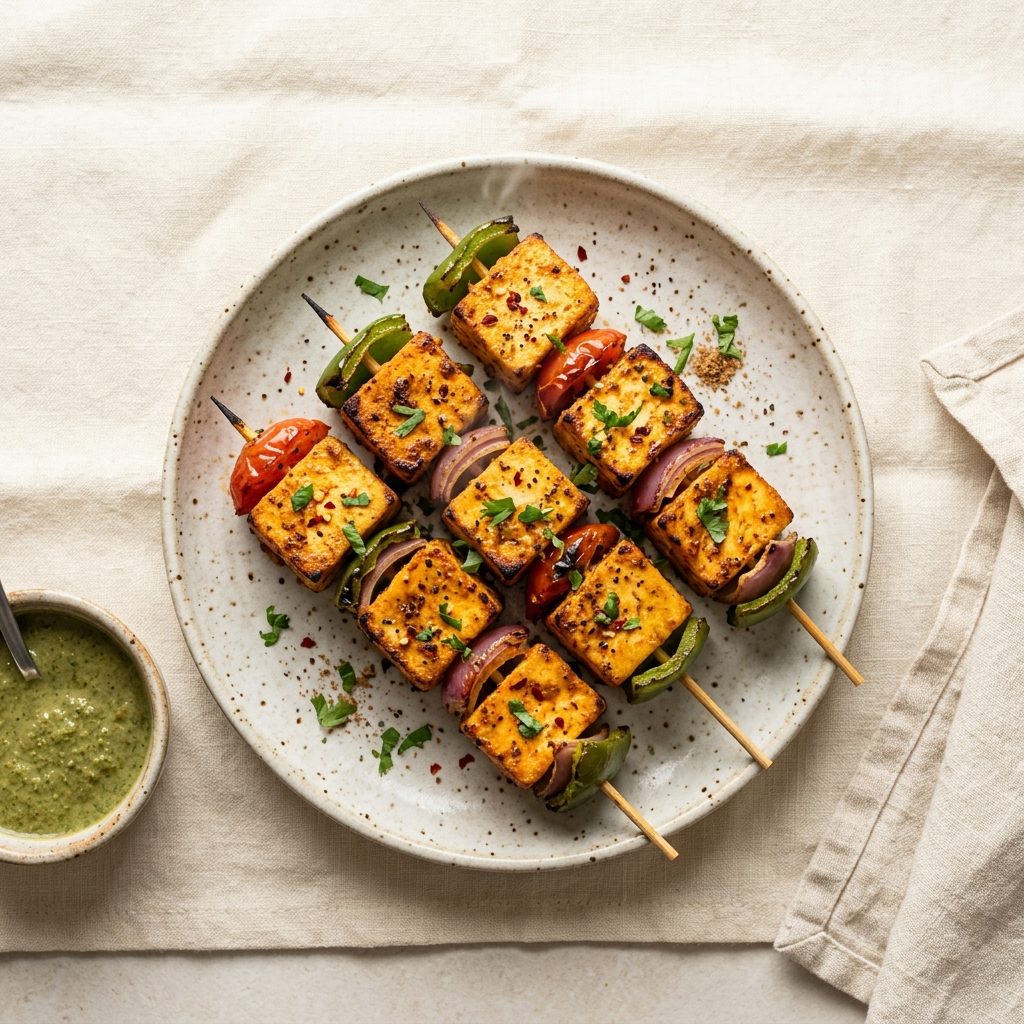
- Dinner. Soya chunk curry or paneer tikka with two roti and a sabzi. Around 30 to 35 g.
Notice what is happening structurally. Every eating occasion carries a real protein source, and no single meal is doing heroic work. That is the entire trick. Four or five occasions at 20 to 35 grams each is easy. Two meals at 65 grams each is miserable.
For someone gaining, add rice, milk and nuts. For someone in a deficit, the fat loss guide covers how to bring calories down while keeping this protein structure intact.
Managing a strict vegetarian household kitchen
Most people reading this are not cooking for themselves. They are eating what the house cooks, which is usually a two sabzi, dal, roti and rice rotation designed for everyone.
Fighting that is a losing strategy. Adding to it works.
- Add, do not replace. The family sabzi stays. You put a bowl of paneer, soya or curd next to it.
- Ask for one protein dish in the weekly rotation. Paneer twice a week and soya twice a week changes your average enormously and changes nobody else’s dinner.
- Own one shelf. Greek yoghurt, paneer, a jar of sattu, soya chunks, peanut butter. If it is in the fridge, it gets eaten.
- Batch one thing on Sunday. Soya keema or a dry paneer bhurji keeps for a few days and turns any meal into a high protein meal in two minutes.
- Drink your gaps. Milk, sattu, lassi made with more curd than water. Liquid protein is the least effortful category available and it fits between meals without a plate.
Nobody in the house needs to know it is a gym diet. It is just an extra bowl.
Where vegetarian gym diets usually break
Five failure points, in roughly the order they show up.
Relying on dal. Covered above. Dal is a good food doing the wrong job.
Counting cooked legume weight as if it were dry. Rajma is roughly 22 to 24 g of protein per 100 g dry, and a fraction of that once cooked and swollen with water. Logging by the cooked katori you actually ate is the honest approach, and it is why tracking in portions beats improvising with gram figures.
Ignoring the fat that rides along. Paneer in a rich gravy, plus ghee on roti, plus nuts, plus full fat milk. Individually fine. Together it is easy to add 500 calories nobody logged.
Skipping breakfast protein. The Indian vegetarian breakfast is often pure carbohydrate. Poha, paratha, upma, toast. Fixing this one meal usually adds 20 to 25 grams to the daily total on its own.
Assuming a powder will fix a food problem. A scoop is 20 to 25 grams. If the diet is 60 grams short, no scoop is closing that.
The eggetarian question
Eggs are a personal line, and they are nobody else’s business.
If you already eat eggs, they make things easier. One large egg is roughly 6 grams of protein for very little money, they cook in three minutes, and a four egg bhurji is a genuinely convenient 24 grams. Boiled eggs solve the mid afternoon gap that otherwise gets filled with biscuits.
If you do not eat eggs, nothing above stops working. The day sketched out in this piece reaches roughly 130 grams without a single one. You will lean harder on paneer, soya, dairy and legumes, and you will plan slightly more carefully. That is the entire difference.
The app has a veg mode for exactly this reason. Set it once and search, browse and coaching suggestions all respect it. Rusty will never suggest chicken to somebody who does not eat chicken, which sounds like a small thing until you have used an app that does.
What this comes down to
A vegetarian gym diet is not a compromise. It is a slightly more organised diet.
Put a real protein source in every meal. Keep soya, paneer, curd and sattu in the house so the decision is already made. Track it for a few weeks so you know your actual number rather than your assumed one.
Then go and train, and let the man with the shaker be wrong in peace.
Calorie figures on this page are typical ranges, not lab values. Indian recipes vary enormously between kitchens, so a number that is right for one house is wrong for the next. Sehat keeps a confidence level and a source note on every entry rather than pretending a single figure is the truth. This is general information, not medical advice.
Common questions
Can a vegetarian build muscle in India?
Yes. Muscle growth responds to total protein, training and enough calories, none of which require meat. Paneer, soya, curd, milk, legumes, tofu and sattu can reach 1.6 to 2.2 grams of protein per kilo of bodyweight comfortably. It takes more deliberate meal planning than a non-vegetarian diet, not more effort in the gym.
How much protein is in soya chunks?
Dry soya chunks carry roughly 50 grams of protein per 100 grams, which makes them one of the densest protein sources available in an Indian kitchen. They roughly triple in weight once soaked, so a 30 gram dry portion becomes a full bowl of curry and still delivers around 15 grams of protein.
Is paneer good for building muscle?
Paneer holds roughly 18 to 20 grams of protein per 100 grams and is easy to work into Indian meals, which makes it a strong staple. The thing to watch is fat content, since full fat paneer is calorie dense. Low fat paneer or tofu is a useful swap when calories are tight.
How do I get enough protein without eggs or meat?
Anchor every meal to a protein source. Paneer or tofu at breakfast, legumes at lunch, soya or paneer at dinner, with curd or greek yoghurt alongside meals and milk between them. That structure alone typically reaches 100 grams, and a scoop of whey or a sattu drink closes most remaining gaps.
Is dal enough protein for a gym diet?
Not on its own. A katori of home-style dal carries roughly 4 to 7 grams of protein, so reaching 130 grams from dal alone would mean an unrealistic number of servings. Dal is genuinely valuable for fibre, micronutrients and satiety. It simply works better as a supporting dish than as the main protein.
Should a vegetarian take protein powder?
Only if food is not getting you there. A powder is a convenience, not a requirement, and it earns its place mainly when your schedule leaves a real gap. If you do use one, check for third party testing and a valid FSSAI licence, because the Indian supplement market has a genuine adulteration problem.
Dishes mentioned
In the app
All of this, without the arithmetic.
The world's most complete Indian calorie counter.
Over 10,000 foods and spellings.
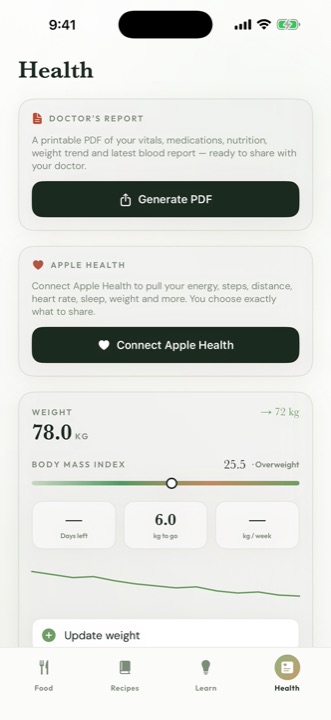
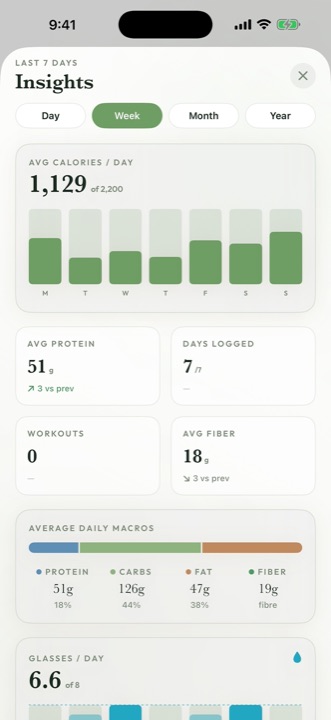
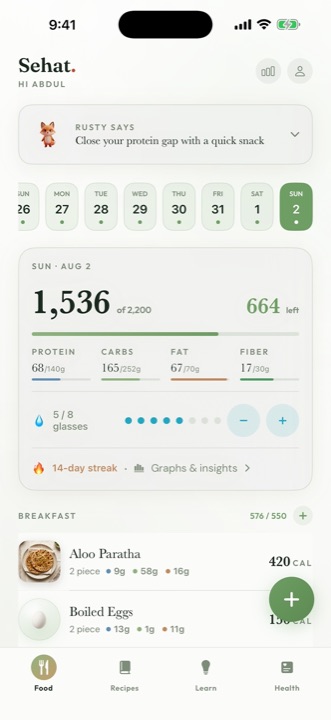
Log dal, roti and biryani by voice, in Hinglish, in the portions your kitchen actually uses. An AI coach reads your day and guides you. No coaches. No calls. No spam.
Download free on the App StoreAndroid is on the way.
Macros
How to hit your protein target on a vegetarian Indian diet
The real protein sources in Indian vegetarian food, ranked, with a worked day that reaches 100 grams. Plus why dal alone will never get you there.
Nutrition
Paneer or chicken, which is the better protein?
An honest comparison of paneer and chicken on protein, fat and calories per gram of protein, plus where tofu and soya fit and why the preparation matters more.
Fitness
Do you need a protein powder? An honest guide for India
Whey concentrate versus isolate versus plant protein, the adulteration problem in the Indian market, and how cost per gram compares with paneer and eggs.