Losing fat without giving up Indian food
The short answer
Fat loss on an Indian diet needs a moderate calorie deficit of roughly 300 to 500 a day, protein kept high while calories come down, and enough volume and fibre on the plate to stay full. The single biggest lever in a home kitchen is cooking oil, not roti or rice.
Key takeaways
- A deficit of roughly 300 to 500 calories a day is enough. Larger deficits mostly cost you muscle, energy and adherence.
- Protein stays high while calories come down. Aim for roughly 1.6 to 2.2 grams per kilo of bodyweight.
- Cooking oil is the highest yield change in an Indian home kitchen. A tablespoon is roughly 120 calories and it hides in every tadka.
- Volume and fibre are what make a deficit survivable. Salad, sabzi, dal, curd and soup fill the plate for very little.
- Roti and rice stay in the plan. Removing them changes the calorie total, not the fat loss mechanism.
- The scale moves unevenly because of water, salt, carbohydrate and the menstrual cycle. Judge by the weekly average.
Most fat loss advice aimed at Indians starts by taking Indian food away. No rice. No roti after seven. No potato. Nothing fried, nothing sweet, and definitely no ghee.
It works for about three weeks. Then a wedding happens.
The useful version is duller and far more durable. Eat a bit less than you burn, keep protein high, keep the food you actually like, and pay attention to the two or three things that genuinely move the number. Everything else is noise.
How big the deficit should be
Roughly 300 to 500 calories a day below maintenance. That is the sweet spot for most people.
It is tempting to go harder. A 900 calorie deficit sounds like it will get you there in half the time. In practice it costs you muscle, training quality, sleep and mood, and the day it breaks, it breaks properly.
A moderate deficit is quiet. You are slightly hungry sometimes. You still train well. You still go out. And because it does not feel like an emergency, you can hold it for the three or four months that actually change something. Work out your starting point with the calorie deficit guide for Indian diets and adjust from there based on what the scale does over four weeks, not four days.
Protein goes up, not down
This is the part that gets skipped. When calories come down, protein should stay where it is or climb.
Aim for roughly 1.6 to 2.2 grams per kilo of bodyweight. A 65 kg person is looking at somewhere between 105 and 145 grams a day. Two reasons this matters in a deficit. Protein preserves muscle while you lose fat, which is the difference between looking leaner and just looking smaller. And it is the most filling macronutrient by a distance, so the same calories buy you more fullness.
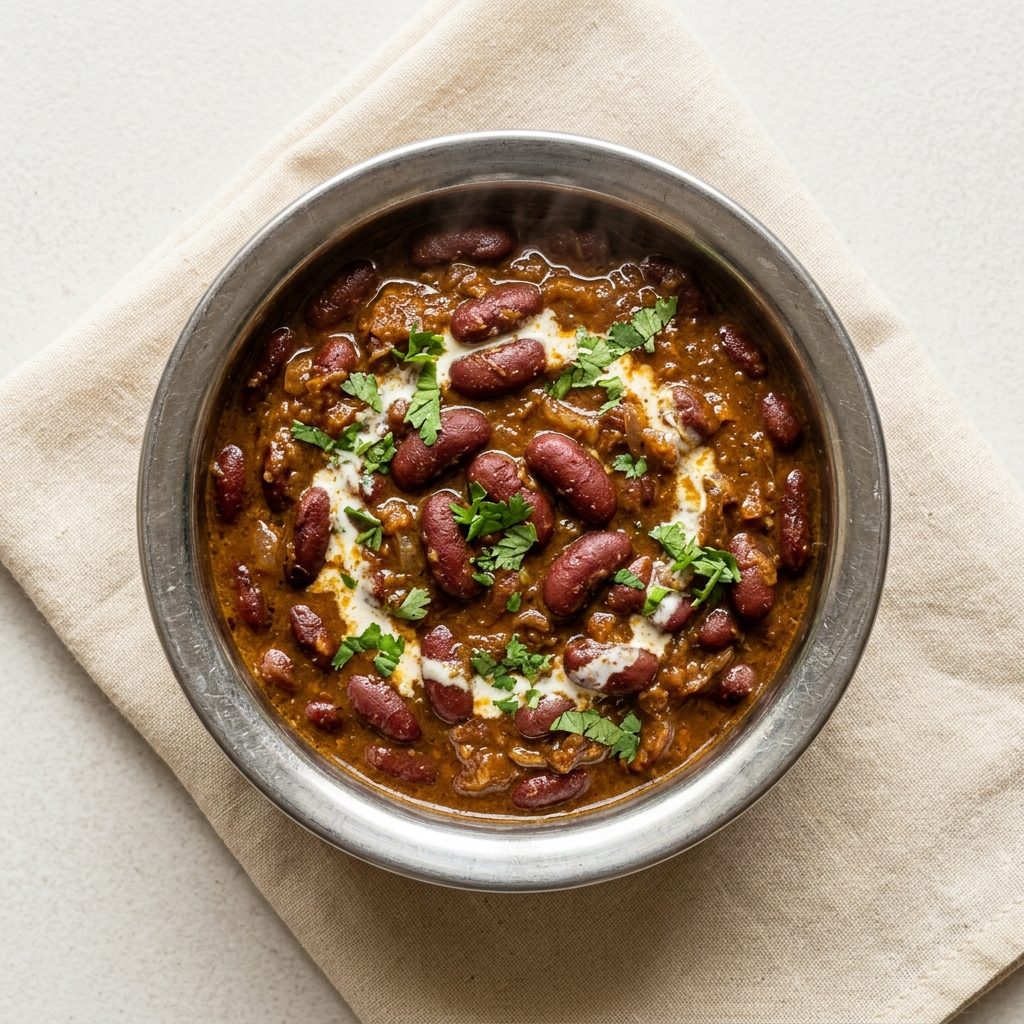
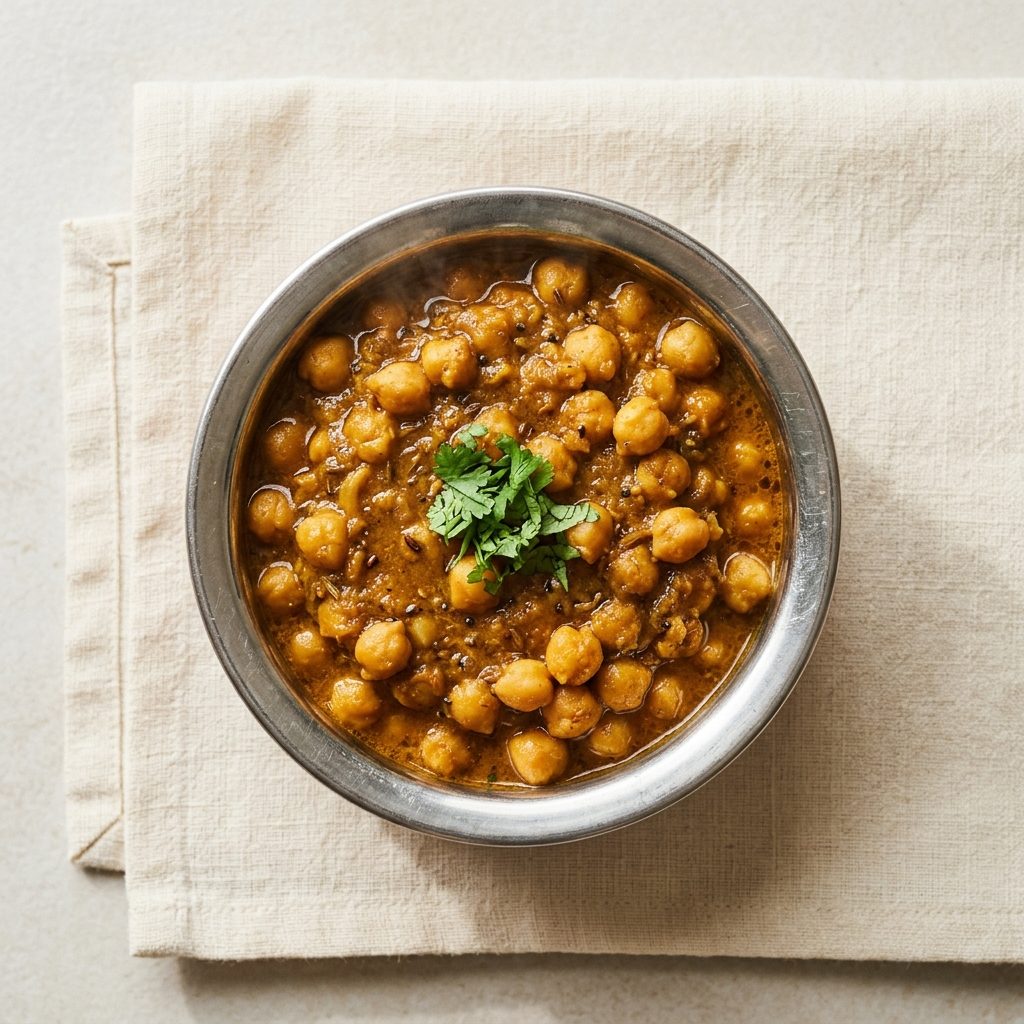
In an Indian kitchen that means curd or greek yoghurt with meals, paneer or soya or tofu in the sabzi rotation, eggs at breakfast, and chana masala or rajma doing double duty as protein and fibre. For vegetarians, the high protein vegetarian guide covers this in more detail.
Fill the plate with volume and fibre
Hunger is what ends most diets, and hunger is mostly a volume problem rather than a calorie problem.
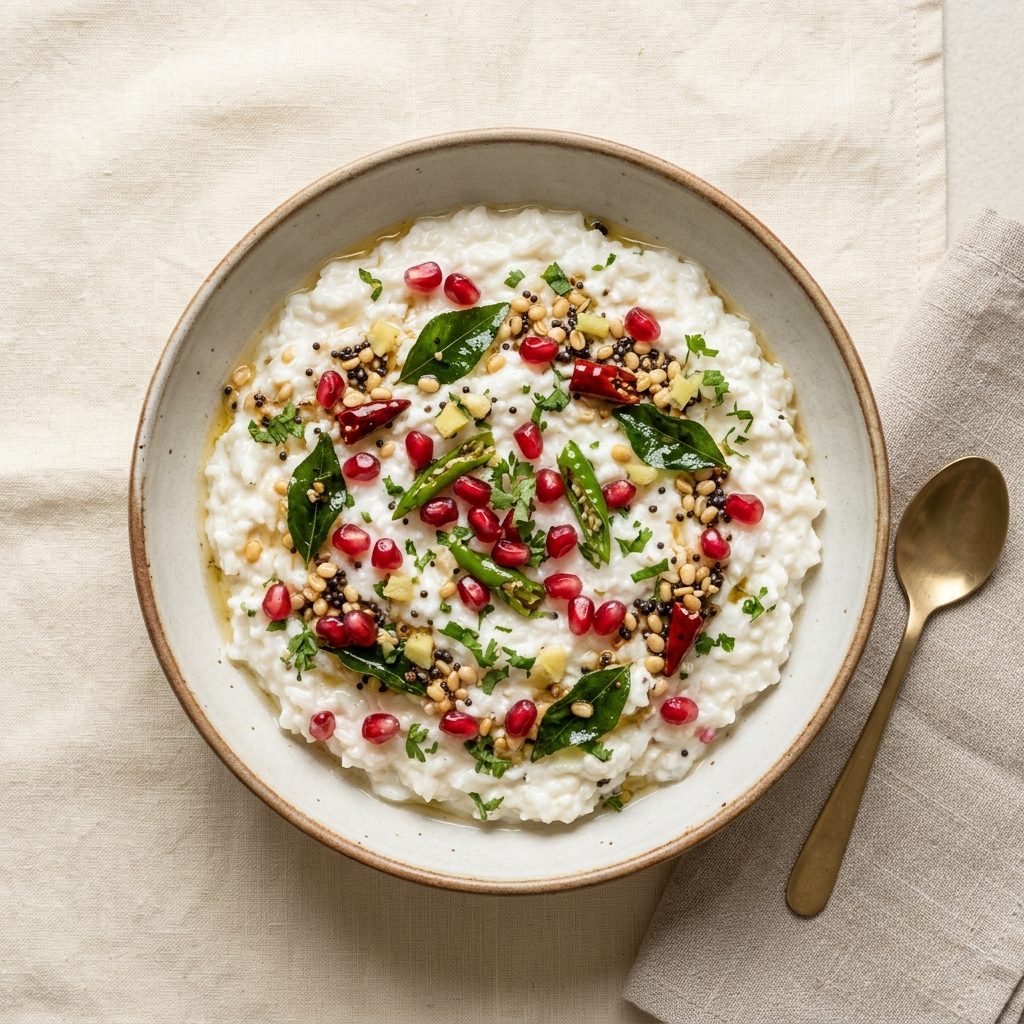
The trick is to make the plate physically larger for very little cost. A big bowl of salad, kachumber with plenty of cucumber and tomato, extra sabzi, a clear vegetable soup, a bowl of dal, a katori of curd. All of it takes up real space in the stomach and adds fibre, which slows the meal down.
Practically: fill half the plate with vegetables before you serve the rice. Nothing has been forbidden. The proportions just changed, and the meal ends up 200 calories lighter without feeling like a punishment.
Cooking oil is the biggest lever you have
If you change one thing in a home kitchen, change this.
A tablespoon of oil or ghee is roughly 120 calories. A generous tadka can hold two. Deep frying adds more than anyone estimates. Across a family pot cooked twice a day, cooking fat is routinely the difference between a deficit and a plateau, and it is invisible because nobody logs it.
You do not need to cook without oil. You need to know how much is going in.
- Measure the oil into the pan with a spoon once, instead of pouring.
- Divide it by how many servings the pot produces.
- Use that as your standing per serving figure in your log.
Most Indian home cooking sits between half a teaspoon and one and a half teaspoons of fat per serving. Restaurant and dhaba cooking often runs at double or more, which is the real reason eating out reads so differently in a log. This is also the most common entry in the list of calorie tracking mistakes.
Keep the roti and the rice
Carbohydrate does not stop fat loss. A calorie surplus does.
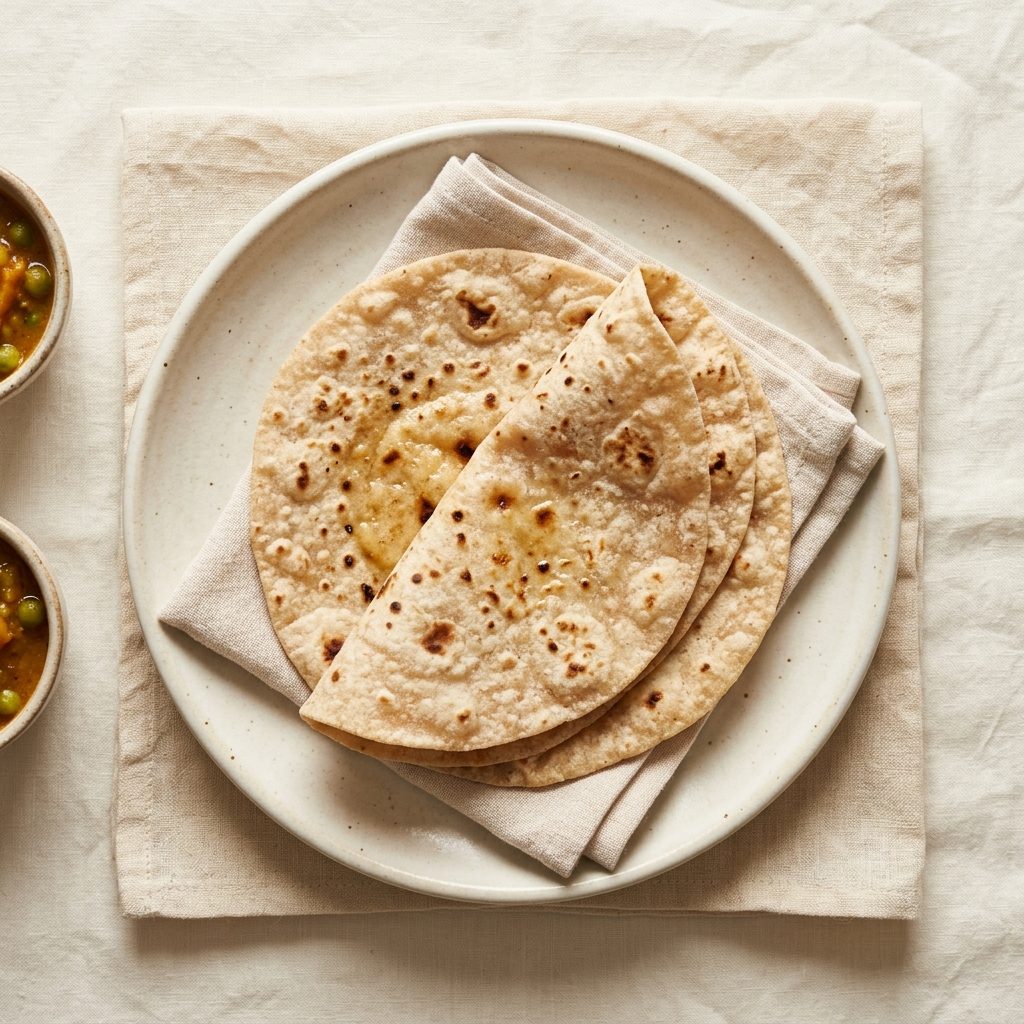
A plain home-made roti is typically 80 to 110 calories. A katori of cooked rice is usually in the 150 to 220 band depending on how it is packed. Those are ordinary numbers, not dangerous ones, and both foods do useful work. They fuel training, they make meals satisfying, and they keep dinner recognisable to everyone else at the table.
Two roti instead of four is a change of 200 calories or so. Removing roti entirely is a change of lifestyle, and it tends to come back with interest. Portion, do not prohibit. The same logic applies to rice.
Weddings, restaurants and the rest of real life
You will eat out. There will be a wedding, a birthday, a Sunday at somebody’s house with four sweets on the table. A plan that cannot absorb those is not a plan.
A few things that work without turning you into the person interrogating the waiter:
- Eat normally earlier that day. Skipping meals to save calories usually backfires by the time the buffet opens.
- Load protein and salad first. Not as a trick, just because it takes the edge off before the biryani arrives.
- Log it roughly, or log it late. An approximate entry is worth far more than a missing one, and tracking food you did not cook is always an estimate anyway.
- Judge the week, not the meal. One large day across seven ordinary ones changes very little.
The failure mode is never the wedding. It is the fortnight after the wedding where tracking stops because the log already looked ruined.
Why the scale moves unevenly
Because the scale is not measuring fat.
It measures fat plus water plus food in transit plus glycogen plus, for many people, the hormonal swings of a menstrual cycle. A salty restaurant meal can add a kilo of water overnight. A hard leg session can hold water for two days. None of that is fat gained, and none of it is fat lost when it drops off again.
This is why weekly averages beat daily readings. Weigh at a consistent time, ignore the individual numbers, and look at the trend across three or four weeks. If the average is drifting down, the plan is working, however jagged the line looks.
Progress also shows up in places the scale cannot see. Clothes fitting differently, more weight on the bar, better energy in the afternoon. Those count.
What this actually looks like after a month
Nobody sticks to a diet that requires them to eat separately from their family. What survives is a normal Indian kitchen where the oil is measured, the protein portion got bigger, the salad bowl arrived, and the roti count is deliberate rather than automatic.
You log for a while so you know your own numbers instead of guessing them. Sehat handles this in the units your kitchen already uses, katori and roti and plate, with over 10,000 foods and spellings behind it and nobody phoning you about a coaching package.
Then, once you know what your normal week contains, you mostly stop thinking about it. That is the actual goal. Not a perfect diet. A default that quietly points in the right direction, on food you would have eaten anyway.
Calorie figures on this page are typical ranges, not lab values. Indian recipes vary enormously between kitchens, so a number that is right for one house is wrong for the next. Sehat keeps a confidence level and a source note on every entry rather than pretending a single figure is the truth. This is general information, not medical advice.
Common questions
Can you lose fat while eating Indian food every day?
Yes. Fat loss depends on eating fewer calories than you use, not on the cuisine. Indian food is easy to work with once you control cooking fat and portion sizes, because dal, sabzi, curd, salad and lean protein are already staples. Nothing needs to be banned.
How big should a calorie deficit be for fat loss?
Roughly 300 to 500 calories below maintenance for most people. That produces steady progress without wrecking energy, training performance or sleep. Very large deficits work briefly and then collapse, usually with more muscle lost and a rebound in eating that undoes several weeks of effort.
Do I have to stop eating rice and roti to lose fat?
No. Carbohydrate does not prevent fat loss. Portion size does the work here. Most people find that keeping rice or roti in the meal, in a measured amount, alongside a bigger protein portion and more vegetables, is far more sustainable than cutting them out entirely.
How much oil should I use for fat loss cooking?
There is no single correct number, but most Indian home cooking lands between half a teaspoon and one and a half teaspoons of fat per serving, and that is a reasonable place to sit. A tablespoon of oil or ghee is roughly 120 calories, so two extra spoons across a day is a meaningful amount.
Why is my weight not going down even though I am in a deficit?
Weight and fat are different things. Water retention from salt, carbohydrate intake, hard training, poor sleep and the menstrual cycle all shift the scale by a kilo or more. Look at the four week trend rather than daily readings, and check whether cooking oil and eating out are being logged honestly.
How do I handle a wedding or a party while tracking?
Eat normally that day, keep protein high at earlier meals, and enjoy the event without logging every bite in real time. One large day rarely matters across a month. What matters is whether the next day looks like your normal days or the start of a fortnight off.
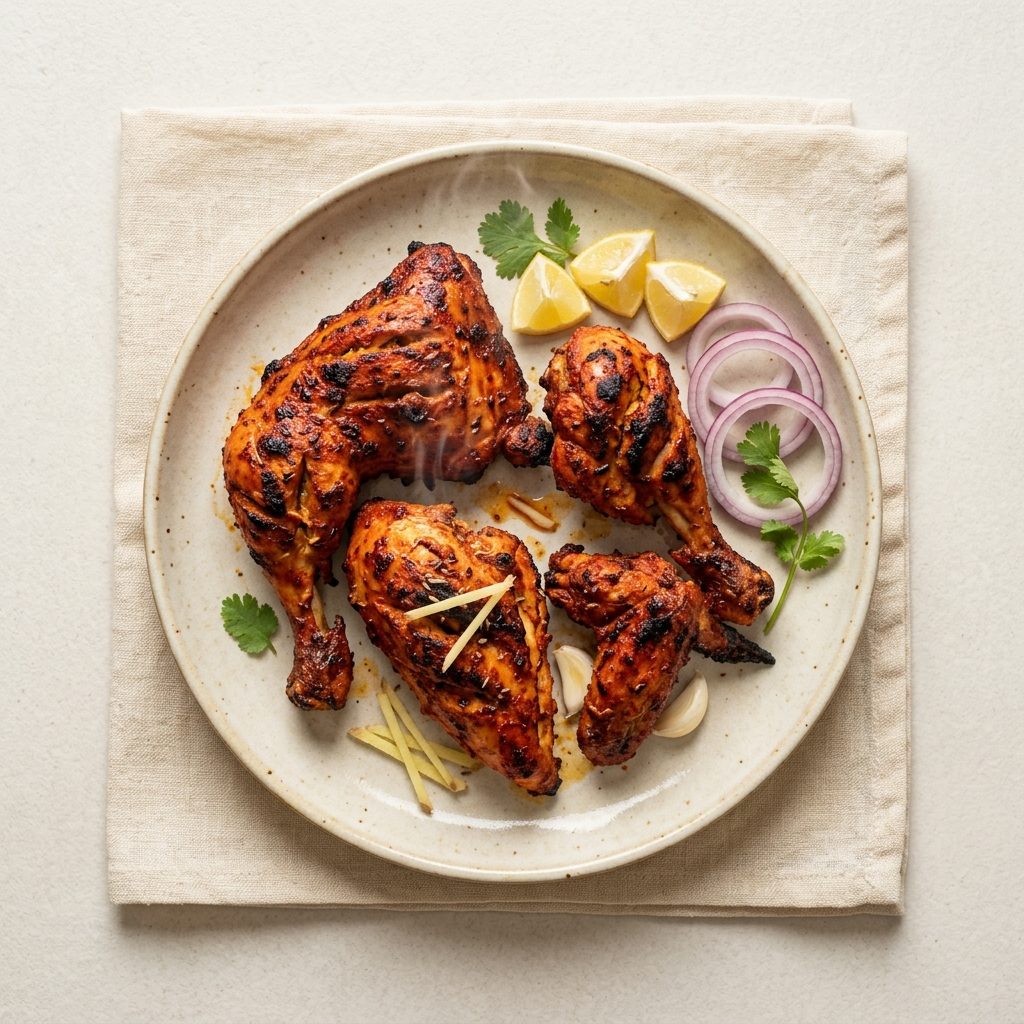
Dishes mentioned
In the app
All of this, without the arithmetic.
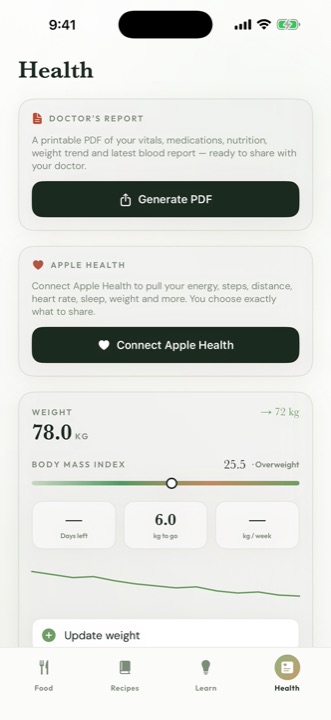
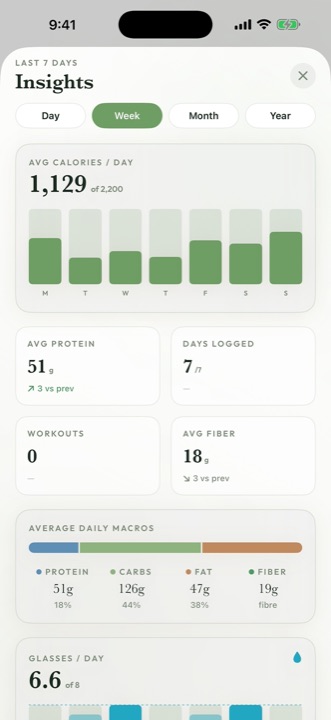
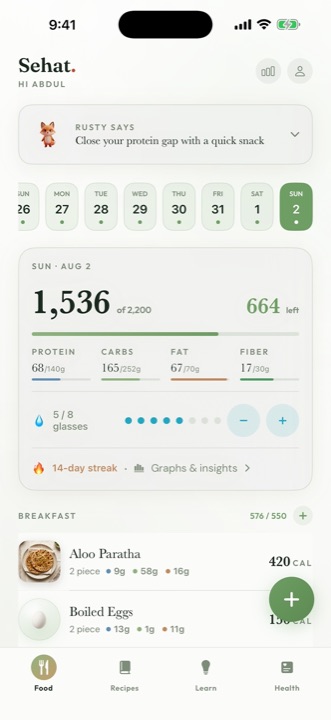
The world's most complete Indian calorie counter.
Over 10,000 foods and spellings.
Log dal, roti and biryani by voice, in Hinglish, in the portions your kitchen actually uses. An AI coach reads your day and guides you. No coaches. No calls. No spam.
Download free on the App StoreAndroid is on the way.
Calorie tracking
How to build a calorie deficit on an Indian diet
A calorie deficit does not require giving up dal, roti or rice. How to size one sensibly, adjust cooking fat and portions, and keep it going past week three.
Calorie tracking
Seven calorie tracking mistakes that quietly ruin an Indian food log
Untracked ghee, four cups of chai, a generic dal entry and invisible weekends. The seven errors that make an Indian calorie log wrong, and the fix for each.
Fitness
Building muscle on Indian food
A calorie surplus of 200 to 400, a real protein target per kilo, and how to restructure dal, roti and sabzi for muscle gain without leaving the cuisine.