Do you need a protein powder? An honest guide for India
The short answer
Most people do not need a protein powder. It is a convenience, not a requirement, and food should cover the target first. A powder earns its place when your schedule leaves a genuine gap. In India, check for third party testing and a valid FSSAI licence, because mislabelling is a real problem.
Key takeaways
- Protein powder is food in a faster format. It offers no advantage over paneer, eggs or dal beyond convenience.
- A typical scoop delivers roughly 20 to 25 grams of protein, with isolate usually at the higher end.
- Whey concentrate is cheaper and works for most people. Isolate is more filtered, lower in lactose and costs more per gram.
- The Indian supplement market has a documented mislabelling and adulteration problem. Third party testing and a valid FSSAI licence are the checks worth making.
- On cost per gram of protein, eggs and dal usually beat powder, paneer is roughly comparable, and powder wins mostly on time.
- Anyone with kidney concerns or an existing medical condition should speak to a doctor before adding supplements.
Somewhere between the gym trainer’s commission and the pop-up telling you a scoop is essential, a fairly simple question got buried.
Do you actually need a protein powder?
For most people, no. It is a useful tool with a narrow job, sold as though it were the centre of the whole thing. Here is the honest version, including the parts of the Indian market that nobody selling you a tub is going to mention.
Food first, always
Protein powder is food in a faster format. That is its entire advantage.
There is nothing in a scoop that paneer, eggs, dal, curd or chicken cannot supply. Your body does not distinguish between protein that arrived in a shaker and protein that arrived in a katori. It absorbs both, uses both, and does not check the packaging.
So the first question is not which powder. It is whether your food is already getting you to your target. If you are hitting 1.6 to 2.2 grams per kilo of bodyweight from meals, a powder adds nothing except expense. If you are 40 grams short every single day and have been for months, that is a different conversation.
Work out where you actually stand before you buy anything. Most people who assume they are short are short by less than they think, and most people who assume they are fine are not. Log a normal week honestly and look at the number. Sehat handles the Indian side of that properly, with over 10,000 foods and spellings, so a katori of dal and a plate of soya keema resolve without invention.
Whey concentrate, isolate and plant protein
The three categories that matter, and the differences are smaller than the marketing suggests.
Whey concentrate. Less filtered, typically around 70 to 80 percent protein by weight. Retains more lactose, a little more fat and carbohydrate. Cheapest per gram of protein. This is the sensible default for most people.
Whey isolate. Filtered further, usually above 85 percent protein, with most of the lactose removed. Costs noticeably more per gram. Genuinely useful if dairy sugar upsets your stomach or if you are in a tight deficit where every incidental calorie counts. Otherwise you are paying for filtration you do not need.
Plant protein. Pea, rice, soya or a blend. Works fine, with one caveat. Single source plant proteins can be low in particular amino acids, so blends tend to perform better than a single ingredient. Soya protein holds up especially well and compares closely with whey. For vegetarians and vegans this category has improved a lot, and a vegetarian gym diet can be built comfortably around it.
A typical scoop across all three delivers roughly 20 to 25 grams of protein, though scoop sizes vary and the number on the front of the tub is not always the number in the scoop. Read the nutrition panel, not the claim.
The adulteration problem nobody advertises
This is the part specific to India, and it is not a small footnote.
Independent testing of protein supplements sold in India has repeatedly found products that do not contain what the label claims. The common issues are underdosed protein, cheap amino acid spiking that inflates the apparent protein number in basic testing, and outright counterfeit packaging of well known products sold through open marketplaces. Heavy metal contamination has also shown up in some testing.
You cannot tell any of this by taste, by texture or by how the tub looks. So use checks that are actually verifiable.
- Third party lab testing. Look for a certificate you can genuinely locate, ideally a batch specific report rather than a logo printed on the pack.
- A valid FSSAI licence number printed on the label. Every legally sold food supplement in India carries one, and it can be checked on the FSSAI portal.
- Batch number, manufacturing date and full manufacturer details. Their absence is the loudest signal available.
- A complete amino acid profile on the panel, not just a total protein claim.
- Buy from the brand’s own store or an authorised seller. Counterfeits circulate heavily through open marketplace listings, and a price that is well below everyone else is a warning, not a deal.
None of this makes the category untrustworthy. It makes it a category where you have to do five minutes of checking, which is five minutes more than paneer requires.
What protein actually costs
The interesting comparison is not price per kilo. It is price per gram of protein.
| Source | Protein content | Where it lands |
|---|---|---|
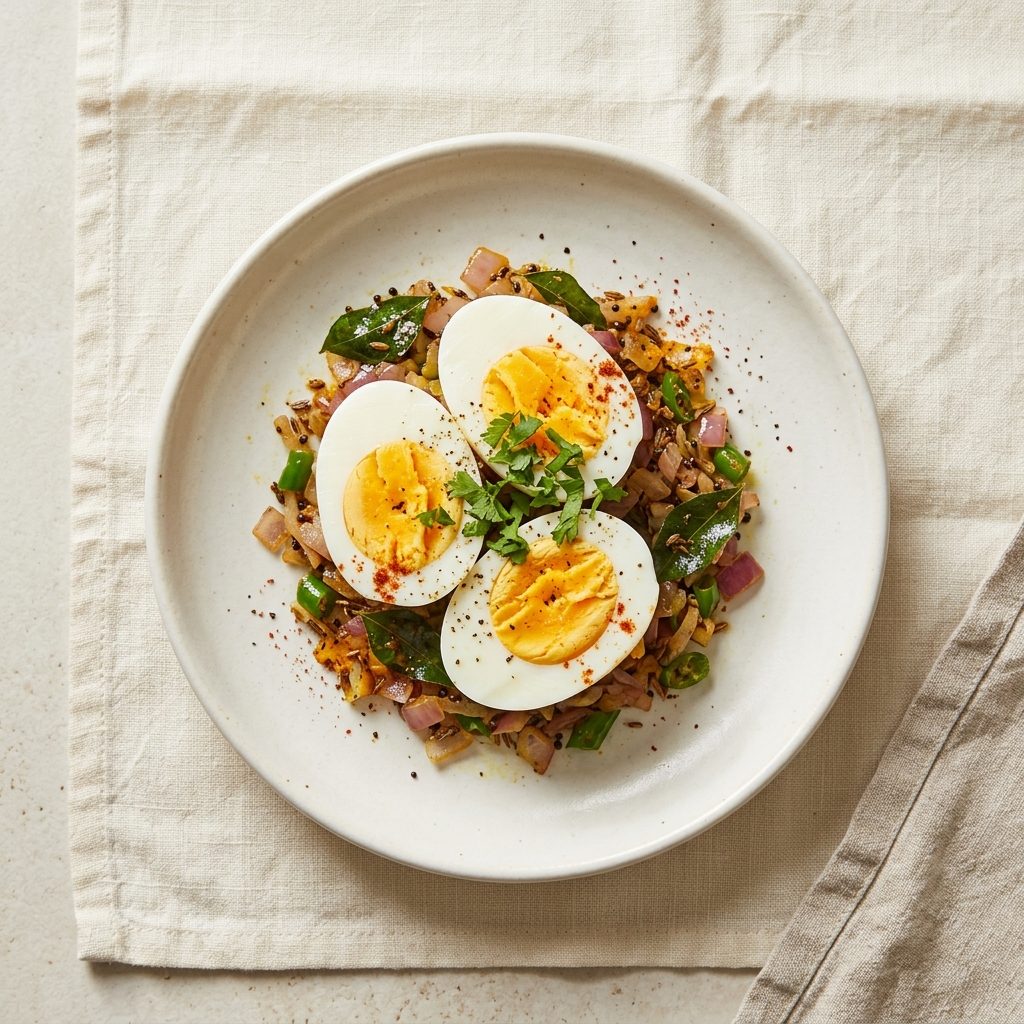
| Eggs | roughly 6 g per large egg | Usually the cheapest protein per gram in India |
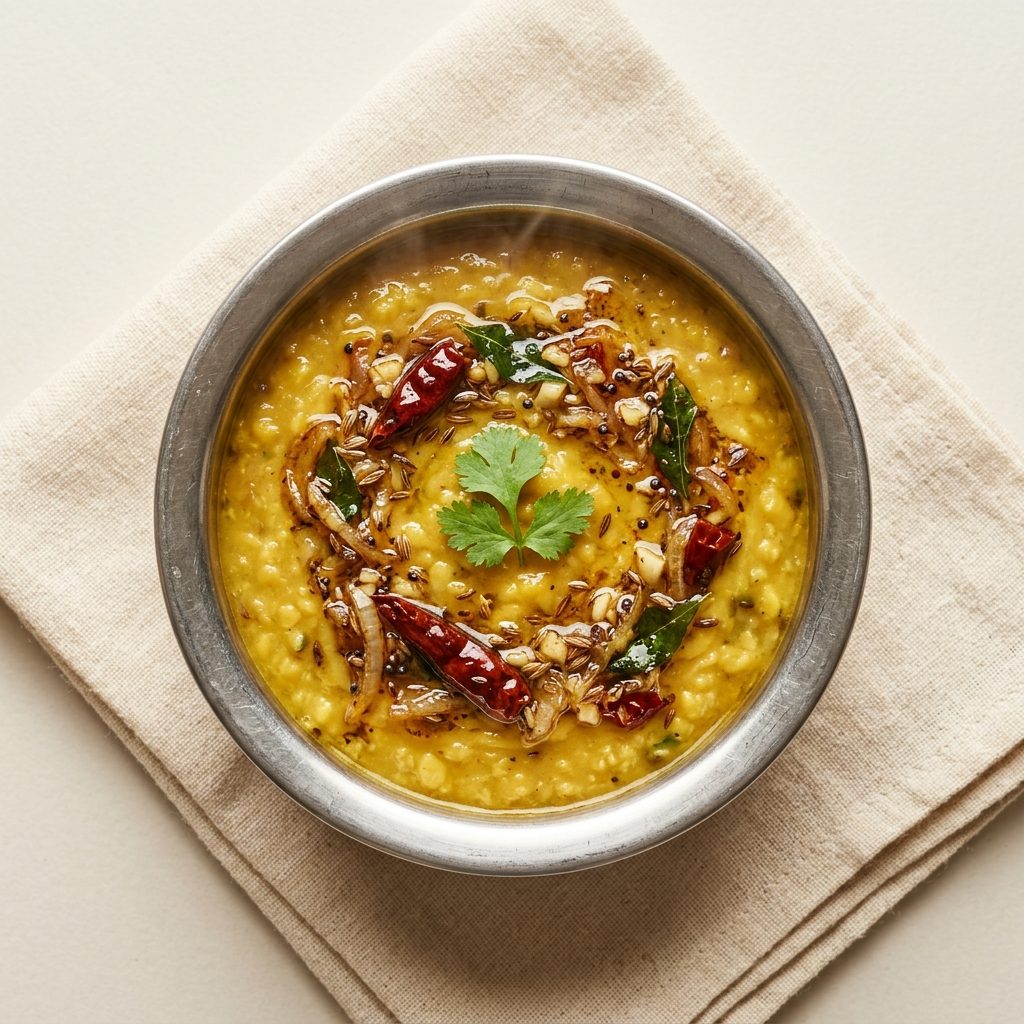
| Dal and legumes | roughly 20 to 25 g per 100 g dry | Very cheap, but carbohydrate comes along |
| Milk | roughly 8 g per 250 ml | Cheap, easy, routinely uncounted |
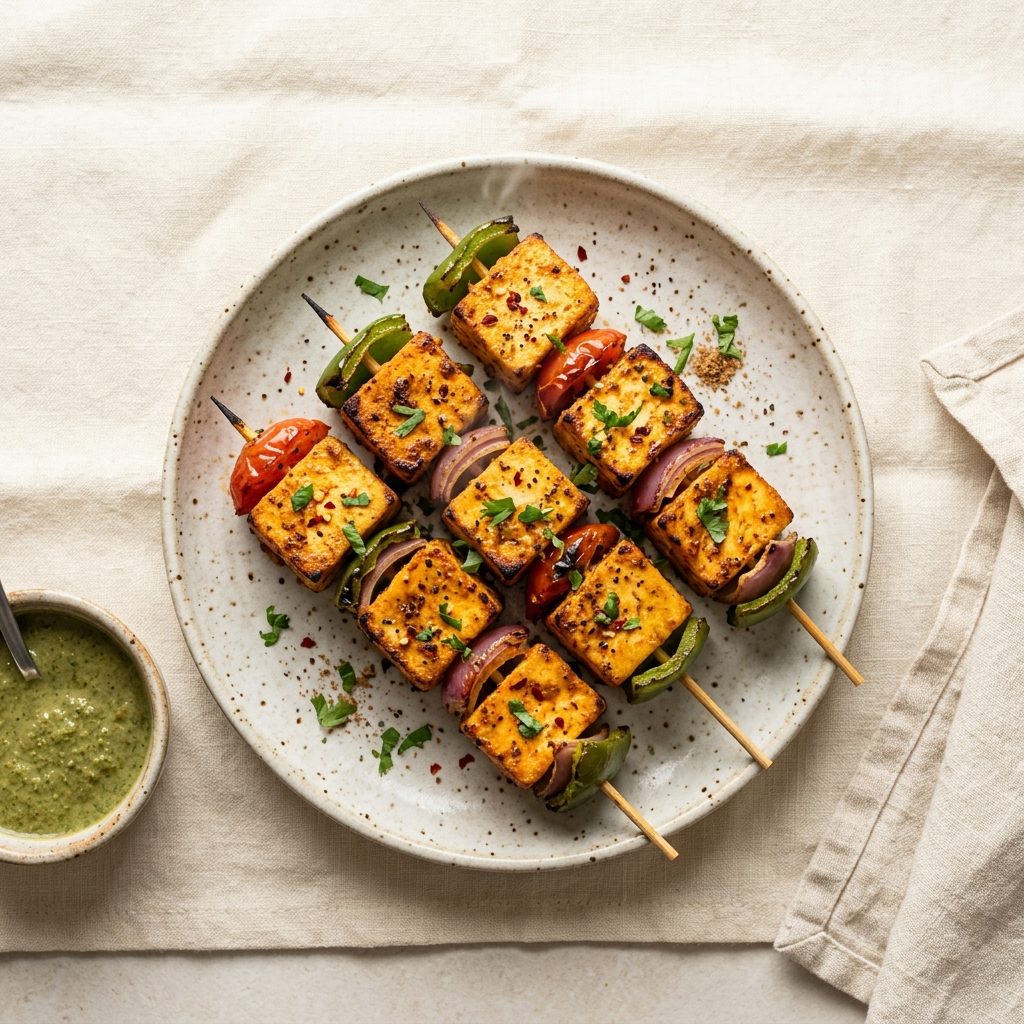
| Paneer | roughly 18 to 20 g per 100 g | Broadly comparable to powder, sometimes better |
| Soya chunks | roughly 50 g per 100 g dry | Extremely cheap per gram of protein |
| Whey powder | roughly 20 to 25 g per scoop | Rarely the cheapest. Almost always the fastest |
Exact prices move constantly and vary by city, so run the arithmetic yourself on what you actually pay. The shape of the answer holds though. Eggs, dal and soya chunks generally beat powder on cost. Paneer sits close. Powder wins on the one axis it was built for, which is time.
Which is a perfectly good reason to buy it. Just be clear that is what you are buying.
When a powder genuinely earns its place
There are real situations where a scoop is the right answer.
- You leave home at seven and get back at nine, and there is no realistic protein source in between.
- You train straight after work and the next proper meal is 90 minutes away.
- Your appetite is small and eating another 40 grams of protein as solid food is genuinely unpleasant.
- You travel constantly and hotel food is doing you no favours.
- You are gaining and struggling to hit calories, in which case a shake with milk and a banana solves two problems at once.
And the situations where it does not.
- You already hit your protein from food and bought it because everyone else has one.
- You are hoping it compensates for a diet you have not looked at.
- You are 60 grams short. A scoop is 25. That gap is a meal planning problem, and restructuring meals will do more than any tub.
A brief word on creatine
Since it always comes up in the same conversation.
Creatine monohydrate is among the most studied supplements in sport nutrition, and it is cheap. It has nothing to do with protein. It supports high intensity performance, which over time can mean slightly more training volume. Typical use is a small daily amount, taken consistently, timing unimportant.
The same market caution applies. Look for third party testing and an FSSAI licence, and be sceptical of blends that bury a token amount of creatine inside a long ingredient list.
It is not necessary either. It is just one of the few supplements where the evidence is unusually solid, and it deserves an honest mention rather than being lumped in with the rest of the shelf.
The short version
Decide your protein target. Log a normal week. See the actual gap.
If food closes it, you have saved money. If your schedule leaves a real hole three or four days a week, a powder is a reasonable, unglamorous tool for filling it, provided you check the testing and the licence before you buy.
If you have kidney concerns, an existing medical condition, or any doubt at all about whether higher protein intake suits you, that question belongs with your doctor rather than with a tub or an article.
Everything else on the shelf can wait until the food is sorted.
Calorie figures on this page are typical ranges, not lab values. Indian recipes vary enormously between kitchens, so a number that is right for one house is wrong for the next. Sehat keeps a confidence level and a source note on every entry rather than pretending a single figure is the truth. This is general information, not medical advice.
Common questions
Is protein powder necessary to build muscle?
No. Protein powder is a convenient source of protein, not a special one. Muscle responds to total daily protein and training, and food can supply all of it. A powder becomes genuinely useful when your schedule, appetite or travel makes hitting the target with meals unrealistic on a regular basis.
What is the difference between whey concentrate and whey isolate?
Concentrate is less filtered, typically around 70 to 80 percent protein by weight, and retains more lactose and fat. Isolate is filtered further, usually above 85 percent protein, with less lactose. Isolate costs more per gram. For most people concentrate works fine unless lactose causes discomfort.
How do I know if a protein powder in India is genuine?
Look for third party lab testing with a certificate you can actually find, a valid FSSAI licence number printed on the pack, a batch number and manufacturing details, and an amino acid profile that matches the claim. Buy from the brand's own store or an authorised seller, since counterfeit packs circulate widely in open marketplaces.
Is plant protein as good as whey?
For practical purposes, yes, provided the total protein is the same and the blend covers the amino acid profile properly. Single source plant proteins can be low in specific amino acids, so blends of pea and rice or soya based products tend to perform better. Soya protein in particular compares closely with whey.
Is protein powder cheaper than eggs or paneer?
Usually not. Eggs and dal typically deliver protein at a lower cost per gram than powder, and paneer often lands in a similar range depending on price. What powder actually buys you is speed and portability, which is a real benefit if that is the constraint you have.
Is protein powder safe for the kidneys?
For people with healthy kidneys there is no established evidence that higher protein intake causes damage. If you have existing kidney concerns, any medical condition affecting protein handling, or you are unsure, speak to a doctor before adding a supplement. That is a conversation for a clinician, not a nutrition article.
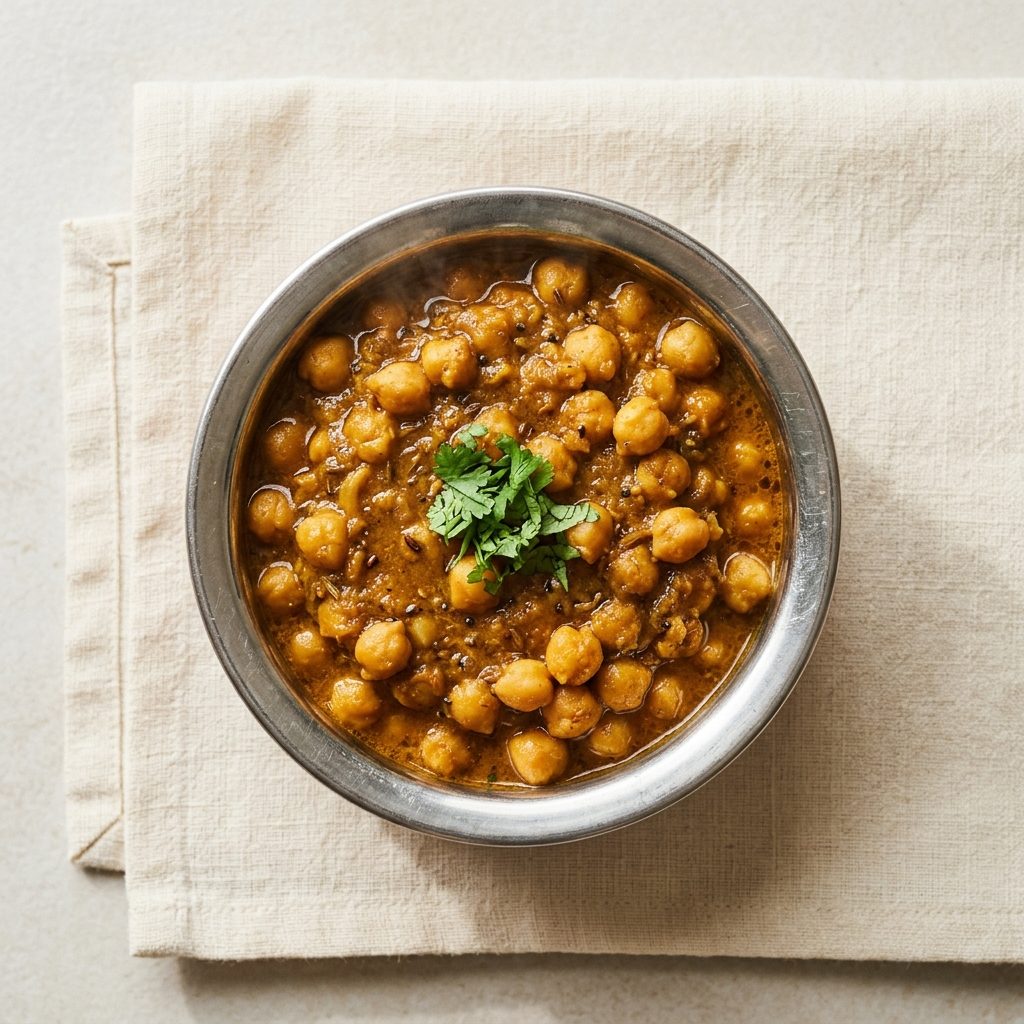
Dishes mentioned
In the app
All of this, without the arithmetic.
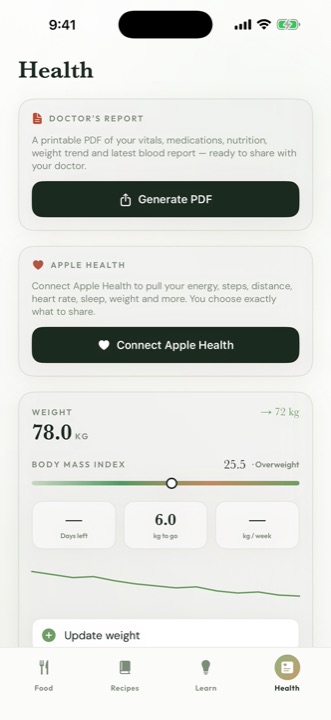
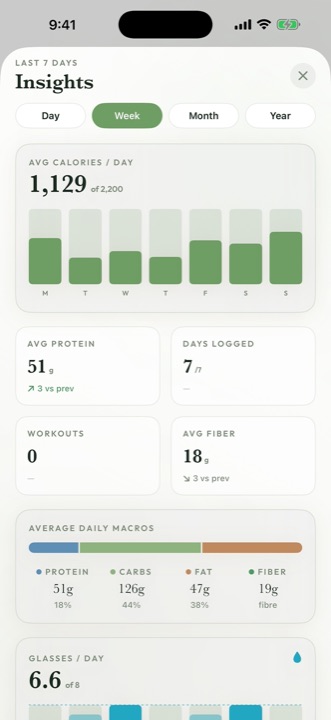
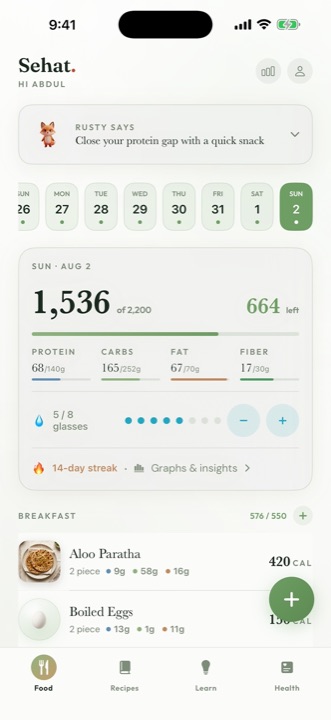
The world's most complete Indian calorie counter.
Over 10,000 foods and spellings.
Log dal, roti and biryani by voice, in Hinglish, in the portions your kitchen actually uses. An AI coach reads your day and guides you. No coaches. No calls. No spam.
Download free on the App StoreAndroid is on the way.
Macros
How to hit your protein target on a vegetarian Indian diet
The real protein sources in Indian vegetarian food, ranked, with a worked day that reaches 100 grams. Plus why dal alone will never get you there.
Macros
Macros explained, for people who eat Indian food
Protein, carbs, fat and fibre, explained against a real Indian plate. Why the thali runs carb-heavy, a sane starting split, and how to fix the protein gap.
Nutrition
A guide to dal, and what is actually in your katori
Toor, moong, masoor, chana, urad, rajma and chole compared on protein, fibre and calories. Why dal makhani sits higher, and what a katori really gives you.