A guide to dal, and what is actually in your katori
The short answer
A katori of home-style dal carries roughly 100 to 180 calories and around 6 to 9 g of protein. Rich preparations like dal makhani or rajma run closer to 200 to 250 calories because of cream, butter and longer cooking. Dal is a genuine protein contributor, but no single katori will carry a daily target on its own.
Key takeaways
- A katori of plain home-style dal usually lands between 100 and 180 calories, with roughly 6 to 9 g of protein.
- Chana dal, urad dal and rajma sit at the higher end for protein and fibre. Moong and masoor cook faster and sit slightly lower.
- Dal makhani and rajma read far higher in a log because of cream, butter and long slow cooking, not because the pulse itself is different.
- Dal and rice eaten together give you a complete amino acid profile, which neither does as well alone.
- The tadka is the swing factor. One tablespoon of ghee is roughly 120 calories, and it can land in a pot serving four or a pot serving one.
Dal is the most logged food in India and the most misunderstood. Half the country treats it as a protein source that solves everything. The other half has been told it is mostly carbohydrate and barely worth counting.
Both are wrong, and the gap between them costs people real progress.
Here is what is actually sitting in that katori, dal by dal, and what changes the number most.
The main dals, and how they differ
Every dal is a pulse, but they are not interchangeable. The raw numbers below are per 100 g of uncooked pulse, which is where the honest comparison lives. Once water goes in, everything dilutes.
| Dal | Protein per 100 g raw | Fibre | Notes |
|---|---|---|---|
| Toor (arhar) | roughly 22 to 24 g | high | The default North Indian dal. Balanced, mild. |
| Moong (yellow) | roughly 23 to 25 g | moderate | Easiest to digest. Cooks fastest. |
| Masoor | roughly 24 to 26 g | high | Quickest cook, breaks down into a thin dal. |
| Chana | roughly 22 to 25 g | very high | Densest texture, slowest to break down. |
| Urad | roughly 24 to 26 g | very high | The base of dal makhani. Rich, sticky. |
| Rajma | roughly 22 to 24 g | very high | A kidney bean, eaten as a gravy, not a dal. |
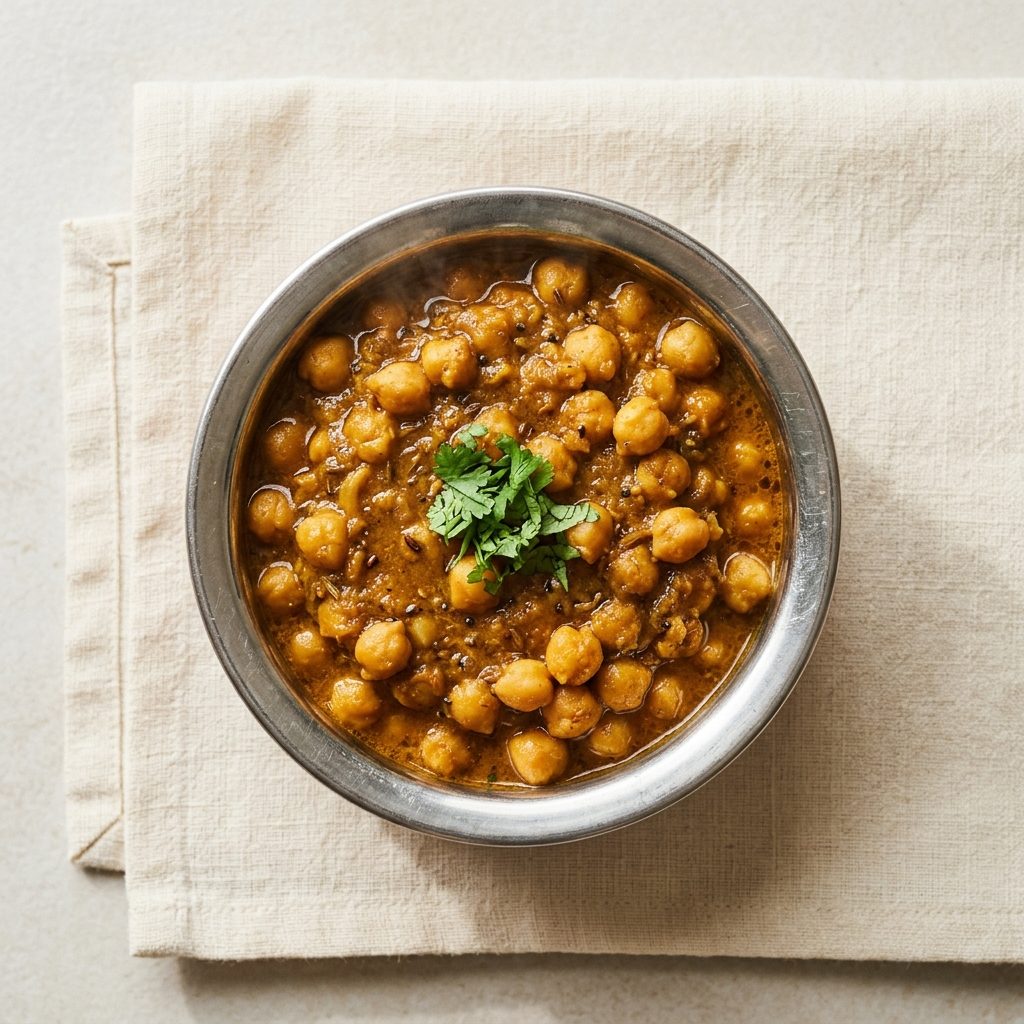
| Chole (kabuli chana) | roughly 19 to 21 g | very high | Lowest protein of the set, highest satiety. |
The practical takeaway from that table is smaller than it looks. The differences between pulses are real but modest. What actually moves your number is how thick the dal is and what went into the pan afterwards.
A watery dal in a Delhi home and a thick Gujarati dal in the same size katori can differ by 40 percent in solids. Same pulse. Same bowl. Different meal.
What a katori of dal actually gives you
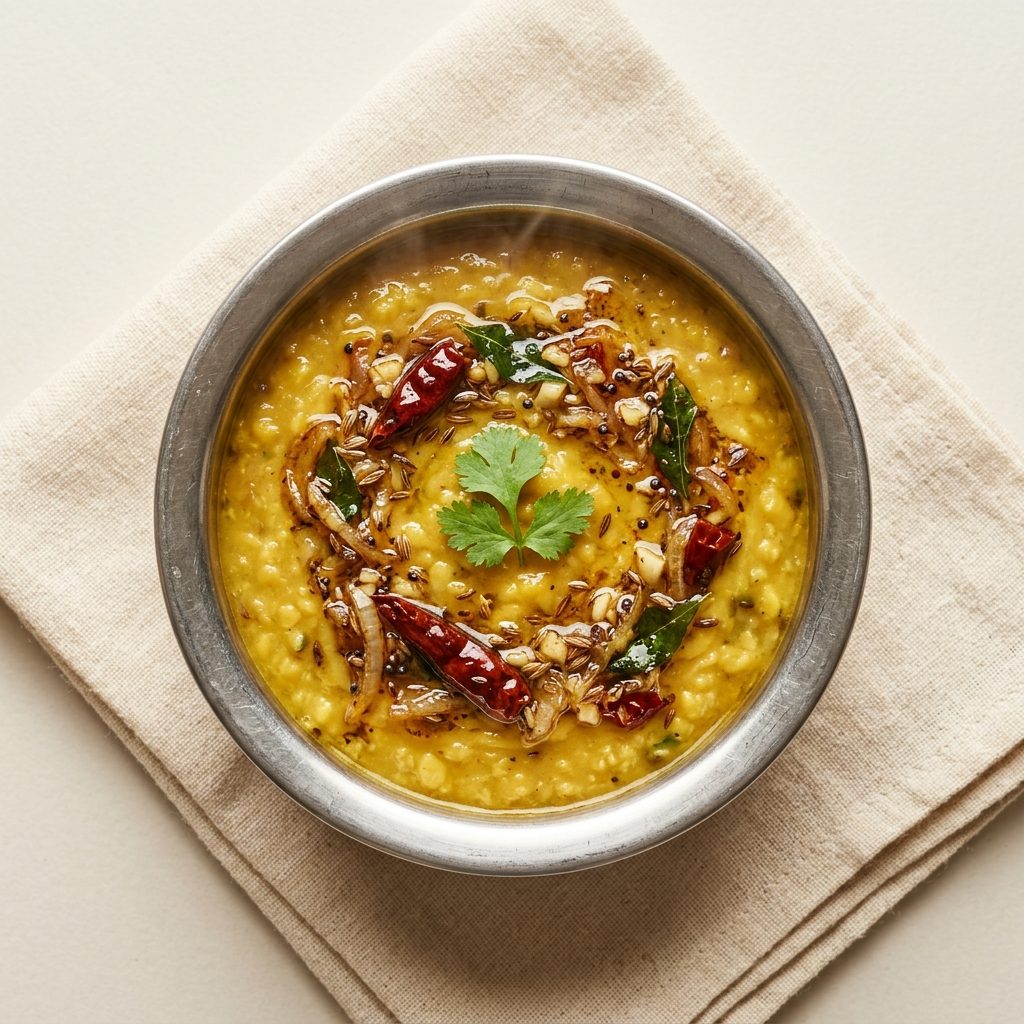
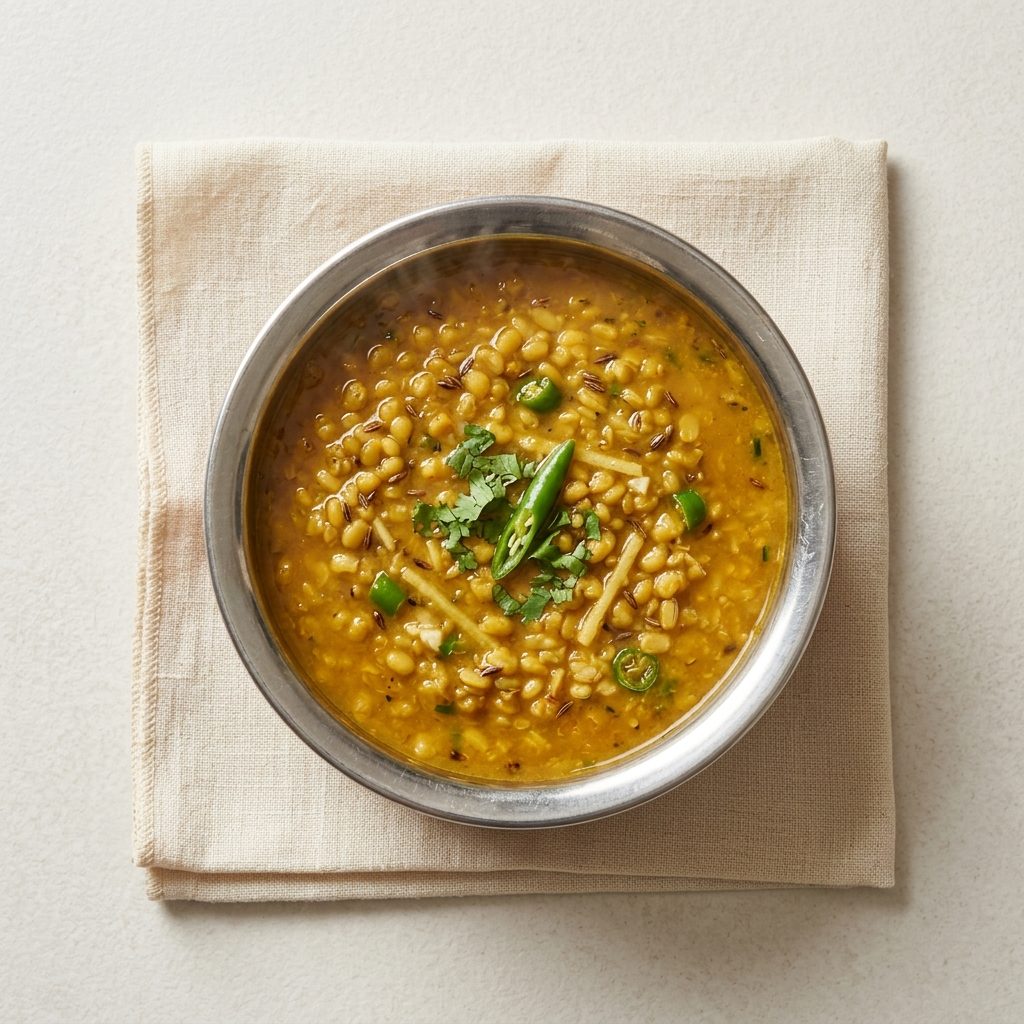
A standard steel katori holds roughly 150 to 200 ml. Filled with home-style dal, that is usually 100 to 180 calories and somewhere around 6 to 9 g of protein.
That range is wide on purpose. It is wide because your dal is not my dal. Nobody who has not seen your pot can narrow it honestly, and any app showing you a single confident figure for a katori of dal tadka is guessing with better typography.
Chana dal and urad dal, being thicker, sit at the top of the range. Masoor dal, which collapses into something close to soup, sits at the bottom.
Why dal makhani and rajma sit so much higher
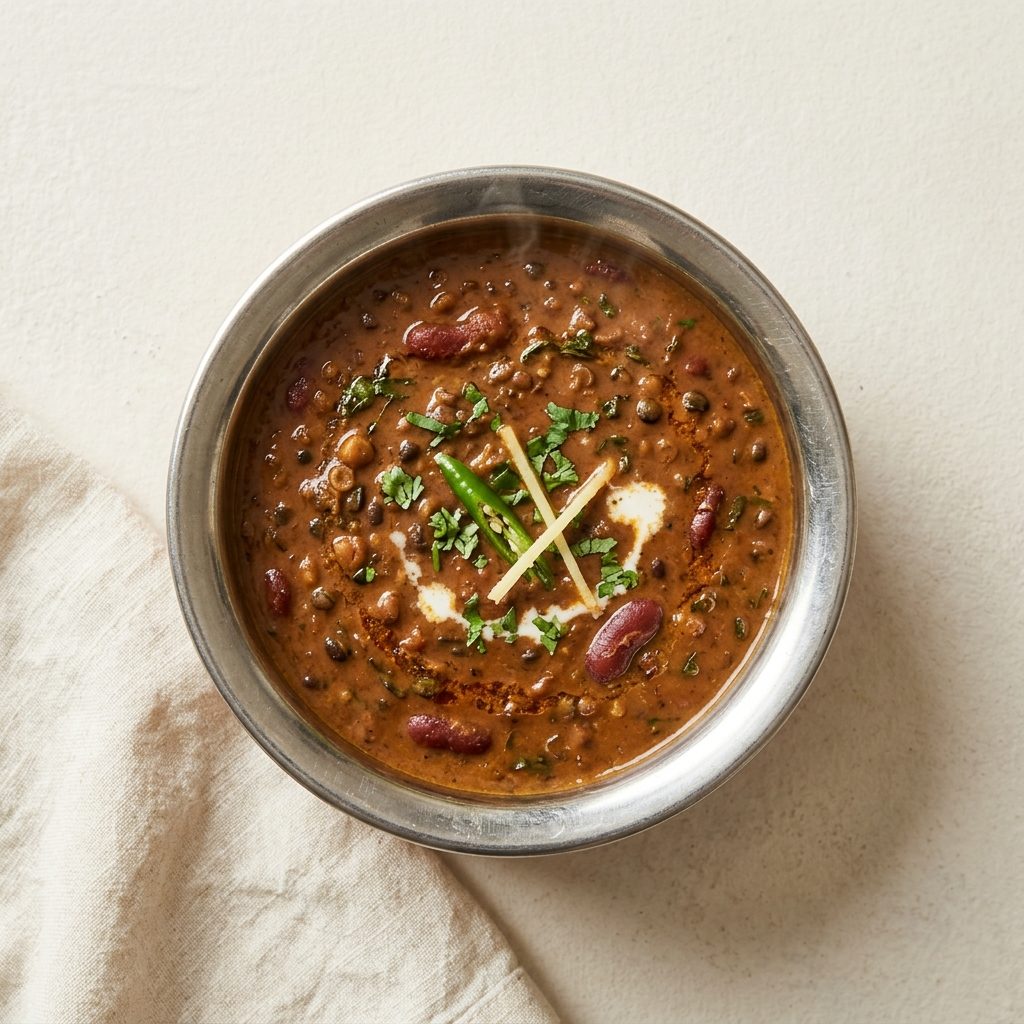
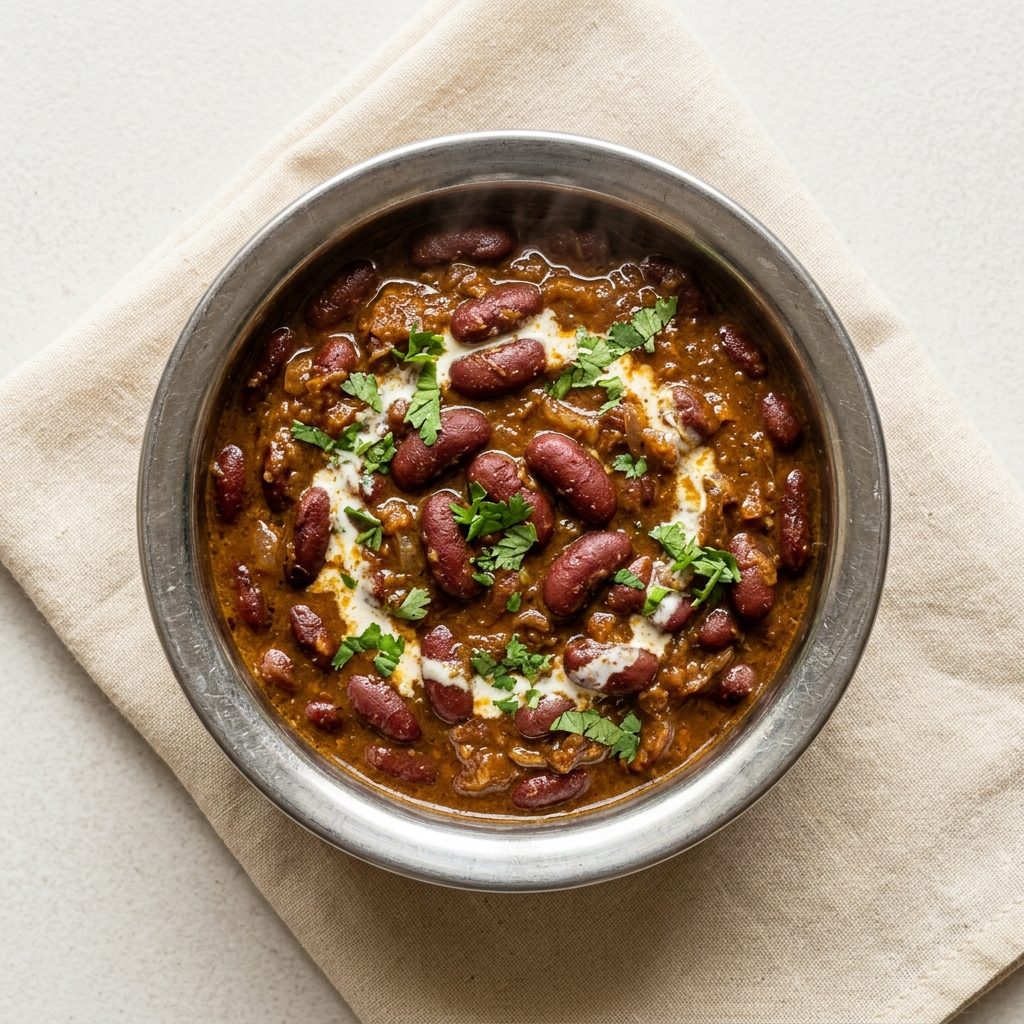
A katori of dal makhani or rajma typically lands between 200 and 250 calories, sometimes higher at a restaurant. That is a jump of 50 to 100 percent over a plain dal tadka, and there are three separate reasons.
Cream and butter. Restaurant dal makhani is finished with both, often a lot of both. A single tablespoon of cream adds roughly 50 calories and a tablespoon of butter roughly 100. Two of each across a pot is not unusual.
Long cooking concentrates it. Dal makhani is simmered for hours. Water evaporates and solids stay. The same katori therefore holds more actual food than a thin dal made in twelve minutes in a pressure cooker.
The pulse itself is denser. Whole urad and rajma hold more starch and fibre per gram than split moong.
None of this makes dal makhani a problem. It makes it a different food from dal tadka, and it deserves a different entry in your log rather than a mental shrug of dal is dal.
The protein reality check
This is the part people do not want to hear.
Three katori of dal spread across a day gives you roughly 20 to 27 g of protein. If you are chasing 100 g or more, that is a quarter of the job, and you have used three separate meals to get there.
Dal is a genuine contributor. It is not a solution. Treat it as the floor of your protein intake, never the ceiling.
The vegetarian stack that actually works looks like dal at every main meal, plus one deliberate high-protein addition on top: paneer, curd, soya chunks, sprouts, tofu, or a scoop of whey. Our guide to high-protein vegetarian eating in India goes through how those stack in practice.
There is also a fibre point worth making, and it cuts the other way. Dal is one of the best fibre sources in the Indian diet, and most people fall well short of the 25 to 30 g a day that is generally recommended. Chana, rajma and chole are especially strong here. Fibre keeps you full, which quietly makes a deficit easier to hold.
Dal and rice, and why the pairing works
Dal chawal is not just comfort food. It is a genuinely well-built protein pairing, and the biochemistry is straightforward.
Pulses run low in the amino acid methionine. Grains run low in lysine. Eaten together, each covers the other’s gap, and the combined protein is usable in a way neither is quite as well alone.
You do not need to eat them in the same mouthful, or even the same meal. Your body works with an amino acid pool across the day, so dal at lunch and rice at dinner does the same job. The classic plate just happens to have got there first, several thousand years ago.
The same logic explains khichdi, dal with roti, idli with sambar, and rajma chawal. Indian food solved this problem long before anyone wrote it down.
How the tadka changes the number
The tadka is the single biggest swing factor in a home-cooked dal, and it is almost never accounted for.
A tablespoon of ghee is roughly 120 calories. A tablespoon of oil is about the same. The question is not how much went in the pan, it is how many servings that pan produced.
Do this once, then stop thinking about it:
- Watch the actual amount of ghee or oil that goes into your household dal.
- Count how many katori the pot produces.
- Divide. That is your standing per-serving cooking fat.
Most home kitchens land somewhere between half a teaspoon and one and a half teaspoons of fat per serving of dal. Restaurant and dhaba dal frequently runs double that or more, which is the real reason the same dish reads so differently when you eat out. There is more on this in our piece on ghee, oil and fats in Indian cooking.
How to log dal without overthinking it
Log the dish, not the ingredients. Dal tadka is dal tadka. Chana masala is chana masala. Reconstructing a pot from onion, tomato, pulse and oil is accurate for about eleven days before you quietly stop.
Log by katori, and calibrate your own katori once by filling it with water and pouring it into a measuring cup. That single measurement makes every dal entry you ever make more accurate.
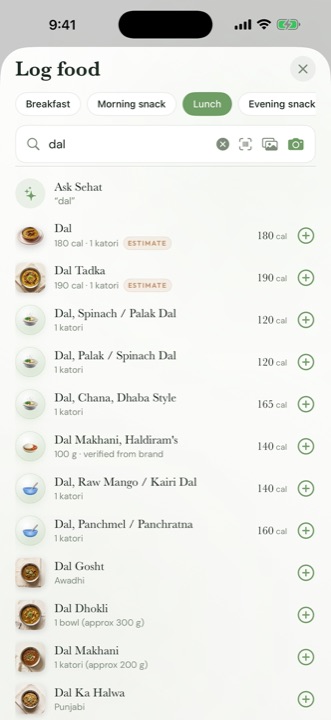
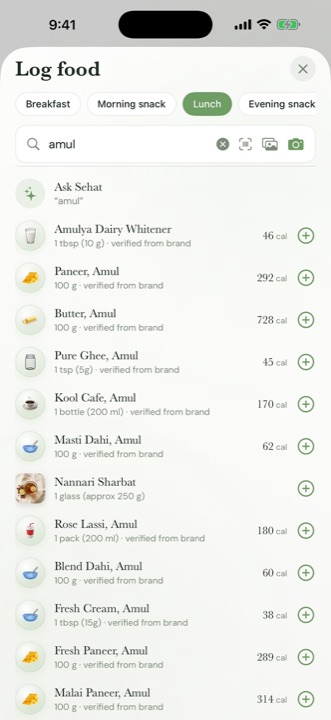
And accept that the number will be a range. Sehat keeps a confidence level and a source note on every entry rather than pretending to a precision the data does not support.
The honest summary
Dal is one of the best things on the Indian plate. High in fibre, meaningfully high in protein, cheap, and eaten daily by most of the country already.
It is also not enough on its own, and pretending otherwise is why a lot of vegetarian eaters stall.
Keep the dal. Add something on top of it.
Calorie figures on this page are typical ranges, not lab values. Indian recipes vary enormously between kitchens, so a number that is right for one house is wrong for the next. Sehat keeps a confidence level and a source note on every entry rather than pretending a single figure is the truth. This is general information, not medical advice.
Common questions
How much protein is in one katori of dal?
A standard katori of cooked home-style dal holds roughly 6 to 9 g of protein, depending on the pulse and how thick the dal is. A thin, watery dal sits at the bottom of that range. A thick chana dal or urad dal sits at the top. Useful, but modest against a daily target.
Which dal has the most protein?
Chana dal and urad dal are generally the highest, with raw pulses carrying roughly 24 to 26 g of protein per 100 g. Toor and moong sit around 22 to 24 g, masoor around 24 to 26 g. Once cooked with water the differences narrow considerably, because thickness matters as much as the pulse.
Why is dal makhani so much higher in calories than dal tadka?
Three reasons. It uses urad and rajma, which are denser to begin with. It is finished with cream and butter, often generously. And it is simmered for hours, which concentrates it, so a katori holds more solids than the same katori of a thin dal tadka.
Is dal a complete protein?
On its own, dal is low in the amino acid methionine. Rice is low in lysine. Eaten together, as dal chawal, they cover each other and give you a complete amino acid profile. You do not need to combine them in the same mouthful or even the same meal, just across the day.
Can I hit my protein target on dal alone?
Realistically no. Three katori of dal across a day gives roughly 20 to 27 g of protein, which is a solid base but well short of most targets. Dal works best as the floor, with paneer, curd, soya, eggs or a supplement stacked on top.
Dishes mentioned
In the app
All of this, without the arithmetic.
The world's most complete Indian calorie counter.
Over 10,000 foods and spellings.
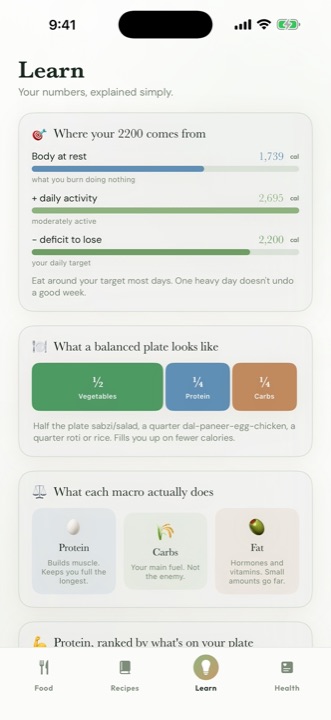
Log dal, roti and biryani by voice, in Hinglish, in the portions your kitchen actually uses. An AI coach reads your day and guides you. No coaches. No calls. No spam.
Download free on the App StoreAndroid is on the way.
Macros
How to hit your protein target on a vegetarian Indian diet
The real protein sources in Indian vegetarian food, ranked, with a worked day that reaches 100 grams. Plus why dal alone will never get you there.
Macros
Macros explained, for people who eat Indian food
Protein, carbs, fat and fibre, explained against a real Indian plate. Why the thali runs carb-heavy, a sane starting split, and how to fix the protein gap.
Calorie tracking
How to count calories in Indian food
A practical method for tracking dal, roti, sabzi and biryani without weighing anything. Portions, honest ranges, and the four habits that make a log actually stick.