Eight high protein Indian recipes that are not chicken breast
The short answer
The highest protein Indian dishes you can cook at home are soya chunk curry, paneer bhurji, sattu paratha, thick dal with added chana, egg bhurji, chicken tikka, fish tikka and a thick curd bowl with roasted chana. Each lands somewhere between roughly 15 and 35 grams of protein per serving.
Key takeaways
- Soya chunks are the cheapest protein in an Indian kitchen, holding roughly 50 grams of protein per 100 grams dry.
- Paneer holds roughly 18 to 20 grams of protein per 100 grams, so a 100 gram serving does real work in a vegetarian meal.
- Sattu is roasted chana flour and carries around 20 to 22 grams of protein per 100 grams, which is why a sattu paratha beats a plain aloo one on protein.
- Adding a handful of soaked kala chana to your everyday dal roughly doubles the protein of the katori without changing how it tastes.
- Marinating in thick curd instead of cream keeps chicken and fish tikka high in protein without loading the fat.
Ask the internet for high protein recipes and you get grilled chicken breast, a scoop of quinoa and some steamed broccoli. Cook that in an Indian house four nights a week and see how long it lasts.
The protein is already in Indian cooking. Soya, paneer, sattu, chana, curd, eggs, fish. What is missing is the arrangement. The standard plate puts roti and rice at the centre and treats protein as a side, which is exactly backwards if you are training or trying to hold muscle in a deficit.
These are eight dishes that fix the arrangement without turning dinner into airline food. Quantities are for two servings unless stated.
How much protein one Indian meal should actually carry
Aim for 25 to 35 grams of protein in a main meal if you train, and 20 to 25 if you do not. A normal dal, roti and sabzi plate lands closer to 12 to 15 grams.
That gap of roughly 15 grams per meal is the whole problem. It is not solved by eating more food, it is solved by putting one deliberate protein anchor in each meal. Every recipe below is an anchor. Build the rest of the plate around it.
If you want the maths behind your own daily number, how many calories you need a day and macros explained for an Indian diet cover it properly.
Soya chunk curry, the cheapest protein in the kitchen (vegetarian)
Dry soya nuggets carry roughly 50 grams of protein per 100 grams, which no other vegetarian ingredient in an Indian pantry comes close to.
Ingredients. 100 g dry soya chunks, 2 medium onions finely chopped, 2 medium tomatoes pureed, 1 tbsp ginger garlic paste, 1 tbsp oil, 1 tsp jeera, 1 tsp red chilli powder, half tsp haldi, 1 tsp coriander powder, half tsp garam masala, salt, coriander to finish.
Method.
- Boil the soya chunks in salted water for 5 minutes. Drain, rinse under cold water, then squeeze each one dry between your palms. This step is not optional. Soggy chunks taste of nothing.
- Heat the oil, crackle the jeera, fry the onion until it turns properly brown. Take your time here, it is where the flavour comes from.
- Add the ginger garlic paste, cook one minute, then the tomato puree and the dry spices. Cook until the oil separates.
- Add the squeezed chunks and about a cup of water. Simmer 10 minutes so they drink the gravy. Finish with garam masala and coriander.
Protein. This is a genuinely high protein main, roughly 25 to 30 grams per serving from the soya alone. It is the single most efficient thing a vegetarian can cook on a budget.
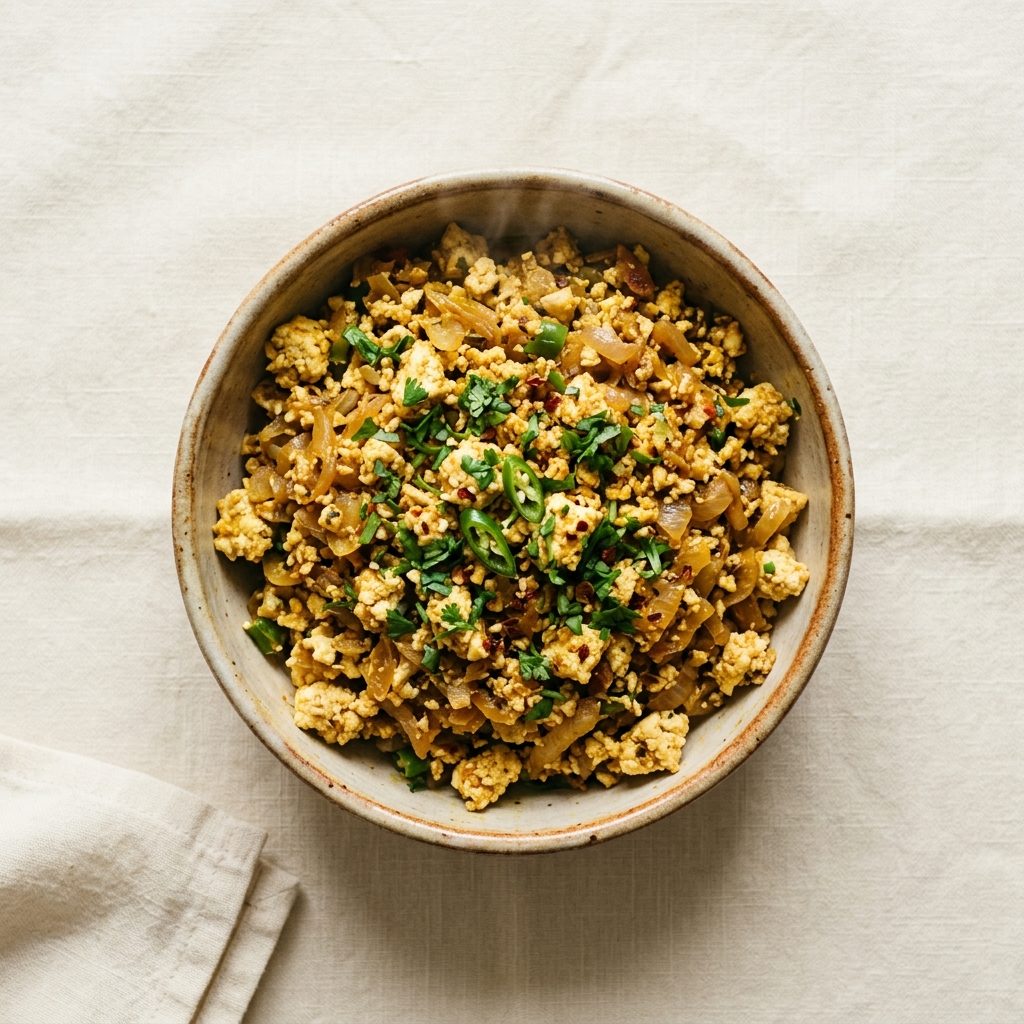
Paneer bhurji, twelve minutes start to finish (vegetarian)
Paneer holds roughly 18 to 20 grams of protein per 100 grams, and bhurji is the fastest way to eat a proper portion of it.
Ingredients. 200 g paneer crumbled, 1 onion chopped, 1 tomato chopped, 1 green chilli, half tsp jeera, half tsp haldi, half tsp red chilli powder, 2 tsp oil, salt, coriander.
Method.
- Heat the oil, crackle the jeera, soften the onion and chilli for 3 minutes.
- Add the tomato, haldi, chilli powder and salt. Cook 4 minutes until it collapses.
- Fold in the crumbled paneer. Two minutes only. Longer and it goes rubbery.
- Coriander, lemon, off the heat.
Protein. Roughly 18 to 22 grams per serving. Two rotis alongside make it a complete meal. More versions of this in paneer recipes that keep the protein, and the dish page for paneer bhurji has the portion detail.
Sattu paratha, the Bihari protein paratha (vegetarian)
Sattu is roasted chana flour, carrying around 20 to 22 grams of protein per 100 grams. Swapping it into a paratha filling changes the dish completely.
Ingredients. For the dough, 150 g atta, water, pinch of salt. For the filling, 100 g sattu, 1 small onion finely chopped, 1 green chilli, 1 tsp ajwain, 1 tsp mustard oil, juice of half a lemon, salt, a splash of water to bind. Makes 4 parathas.
Method.
- Knead a firm atta dough and rest it 15 minutes.
- Mix every filling ingredient. It should hold together when pressed but stay crumbly, not wet.
- Roll a small disc, place two tablespoons of filling, seal, dust and roll out gently. Sattu filling tears easily if you rush.
- Cook on a hot tawa with a quarter teaspoon of ghee per side.
Protein. Two parathas come to roughly 16 to 20 grams of protein. Eat them with thick curd and you are past 25.
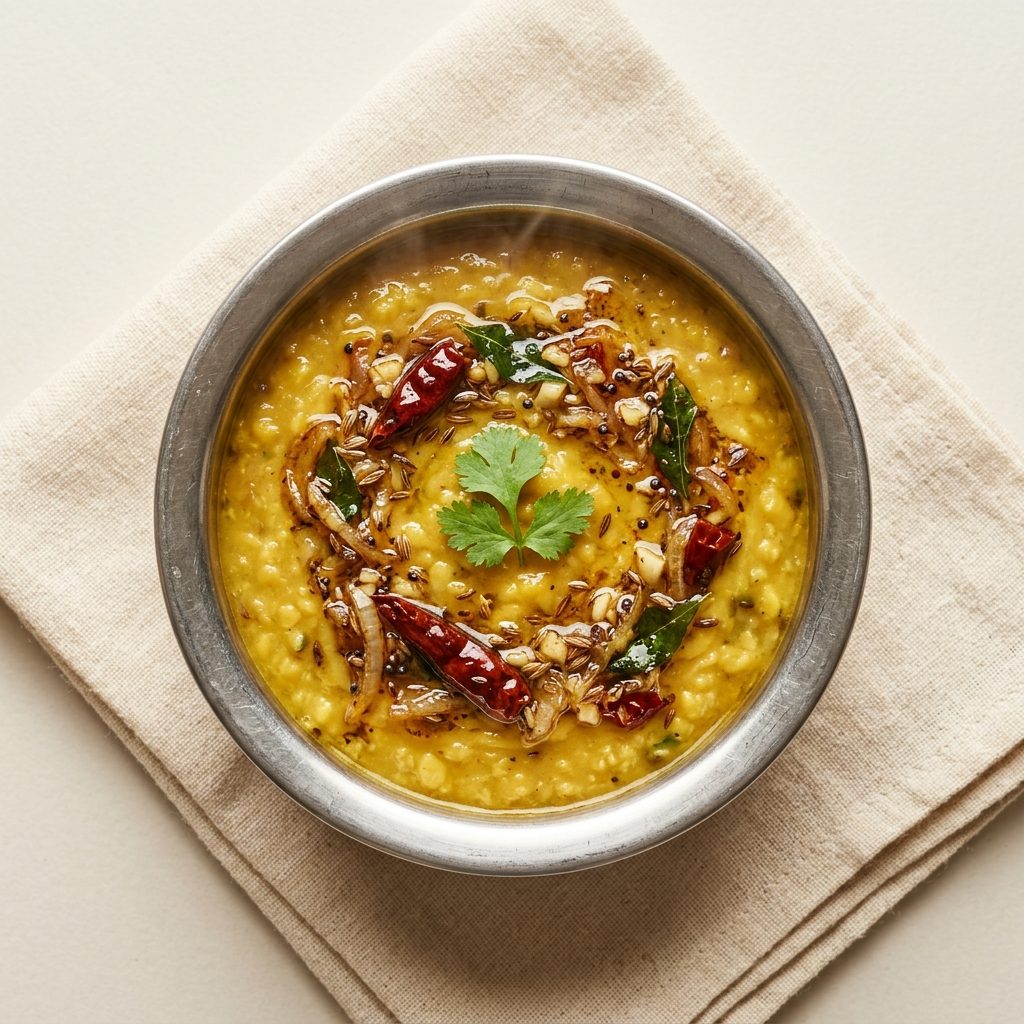
Dal with added chana, the everyday upgrade (vegetarian)
Adding a handful of soaked kala chana to your normal dal roughly doubles the protein of the katori without anyone noticing you changed anything.
Ingredients. 75 g toor dal, 50 g kala chana soaked overnight, 1 tomato, 1 tsp ginger garlic paste, half tsp haldi, salt. For the tadka, 1 tbsp ghee, 1 tsp jeera, 2 dried red chillies, 4 garlic cloves sliced, pinch of hing.
Method.
- Pressure cook the soaked chana with the toor dal, haldi, salt and tomato. Four to five whistles, then let it sit.
- Whisk it lightly. The chana should stay whole while the toor breaks down.
- Make the tadka in ghee and pour it over. Coriander on top.
Protein. Roughly 12 to 15 grams per generous katori, which is close to double a thin everyday dal tadka. Serve two katori and it starts to look like a real protein source instead of a side dish.
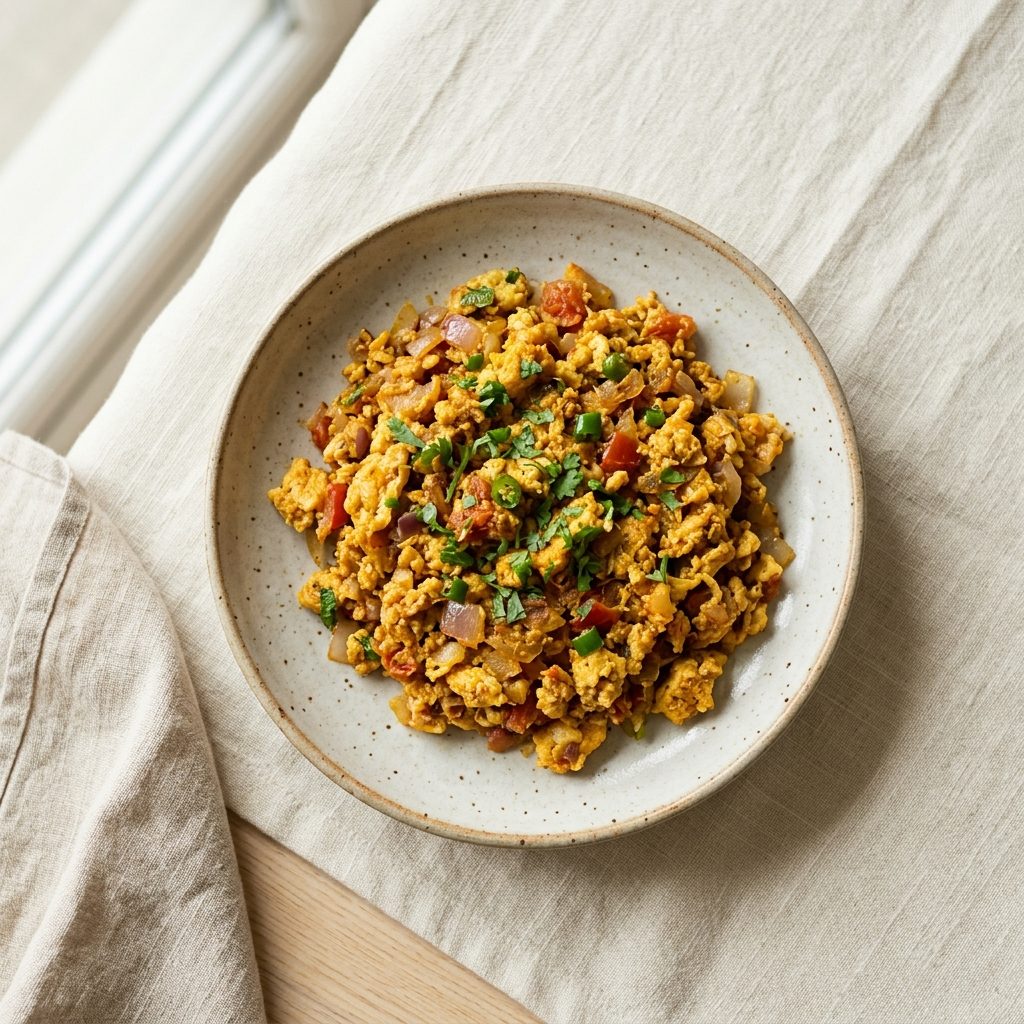
Egg bhurji, the five minute answer (non-vegetarian)
Three eggs give you roughly 18 grams of protein for very little effort and very little money.
Ingredients. 6 eggs, 1 onion chopped, 1 tomato chopped, 1 green chilli, half tsp haldi, half tsp red chilli powder, 2 tsp oil, salt, coriander.
Method.
- Soften the onion and chilli in the oil.
- Tomato, haldi, chilli powder, salt. Cook until soft.
- Beat the eggs, pour in, stir on low heat. Take it off while it still looks slightly underdone. Residual heat finishes it.
Protein. Roughly 18 to 20 grams per serving. Keep two whole eggs and add whites for the rest if you want the protein without the extra fat. The egg bhurji page covers the usual portion sizes.
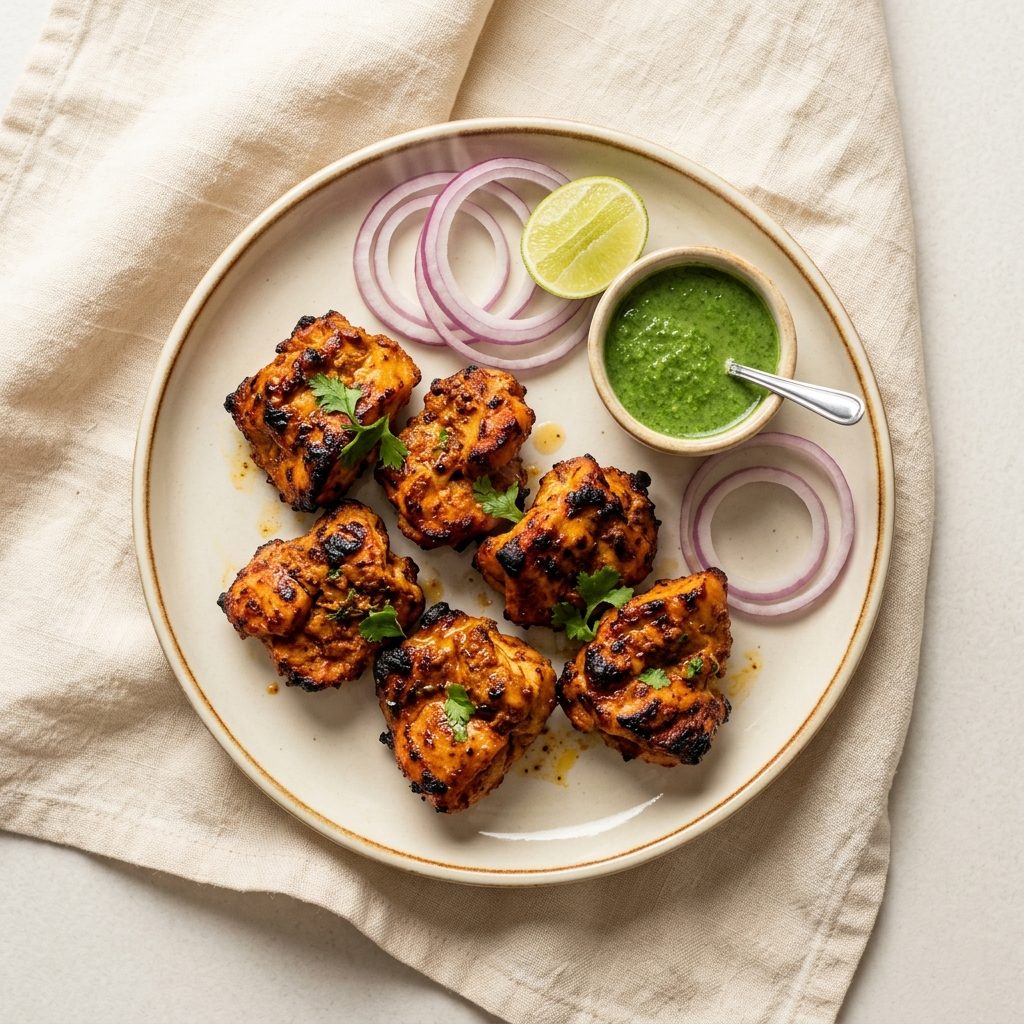
Chicken tikka in a curd marinade (non-vegetarian)
Tikka is high protein by construction as long as the marinade is thick curd and not cream.
Ingredients. 500 g boneless chicken thigh or breast in 4 cm cubes, 150 g thick curd hung for 30 minutes, 1 tbsp ginger garlic paste, 1 tsp red chilli powder, 1 tsp garam masala, half tsp haldi, 1 tbsp besan, 1 tbsp mustard oil, juice of one lemon, salt. Serves three.
Method.
- Toast the besan in a dry pan for a minute. It stops the marinade sliding off.
- Mix everything, coat the chicken, refrigerate at least 2 hours, overnight is better.
- Thread onto skewers with onion and capsicum. Oven at 220 C for 15 to 18 minutes, or an air fryer at 200 C for 12, or a hot tawa turning often.
- Rest 5 minutes, then lemon and chaat masala.
Protein. A genuinely high protein main, roughly 30 to 35 grams per serving. See chicken tikka for standard portion counts.
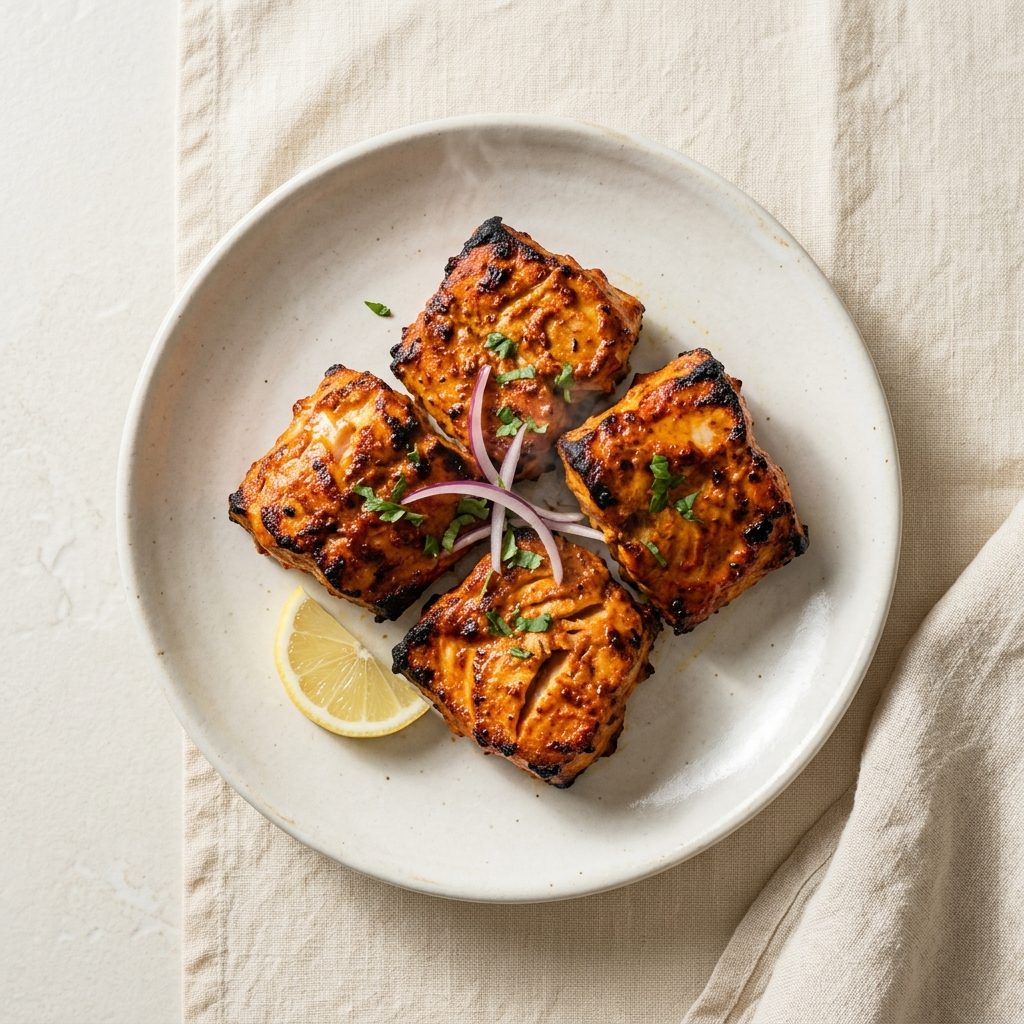
Fish tikka, faster than chicken (non-vegetarian)
Fish needs 20 minutes of marinating instead of two hours, which makes it the better weeknight tikka.
Ingredients. 500 g firm fish such as surmai, rohu or bhetki, cut into large cubes. 100 g thick curd, 1 tbsp ginger garlic paste, 1 tsp carom seeds, 1 tsp red chilli powder, half tsp turmeric, 1 tbsp mustard oil, lemon juice, salt. Serves three.
Method.
- Pat the fish completely dry and rub with lemon, salt and turmeric. Rest 10 minutes.
- Mix the remaining marinade, coat gently, rest 20 minutes. Longer and the lemon starts cooking the fish.
- Skewer or lay flat. Grill at 220 C for 10 to 12 minutes, turning once. On a tawa, high heat, do not move it for the first two minutes.
Protein. Roughly 28 to 34 grams per serving depending on the fish. Firm sea fish sits at the top of that band.
Thick curd bowl with roasted chana (vegetarian)
Hung curd is the most underrated protein in an Indian fridge. Draining plain dahi for an hour roughly doubles its protein per spoon.
Ingredients. 400 g thick curd hung in a muslin for one hour, 60 g roasted chana, 1 tbsp mixed seeds, half a cucumber diced, 1 tomato diced, roasted jeera powder, black salt, mint.
Method.
- Whisk the drained curd smooth with black salt and roasted jeera.
- Fold in the cucumber, tomato and mint.
- Top with roasted chana and seeds just before eating so they stay crunchy.
Protein. Roughly 22 to 26 grams per serving, no cooking involved. This is the dish to keep for nights when nothing else is happening.
Rotate four of these and the problem goes away
You do not need eight recipes in a week. You need four you can cook without thinking, two of them vegetarian, and a fridge that always has curd, eggs or soya in it.
Pick your four. Cook them until you stop reading the method. Log them once, save them, and the protein question stops being a daily decision and becomes a default.
That is the whole trick. Not more discipline, just fewer decisions.
Calorie figures on this page are typical ranges, not lab values. Indian recipes vary enormously between kitchens, so a number that is right for one house is wrong for the next. Sehat keeps a confidence level and a source note on every entry rather than pretending a single figure is the truth. This is general information, not medical advice.
Common questions
What is the highest protein Indian vegetarian food?
Soya chunks, by a wide margin. Dry soya nuggets carry roughly 50 grams of protein per 100 grams, more than paneer, dal or any pulse. After soya come paneer at roughly 18 to 20 grams per 100 grams, sattu at around 20 to 22 grams per 100 grams dry, and the chana and rajma family at roughly 20 grams per 100 grams dry.
How much protein should one Indian meal have?
A useful working target is 25 to 35 grams of protein per main meal for most adults who train, and 20 to 25 grams for those who do not. Spread across three meals plus a snack, that lands most people in the range they need. A typical dal, roti and sabzi plate lands closer to 12 to 15 grams, which is the gap these recipes are built to close.
Can you get enough protein on an Indian vegetarian diet?
Yes, but not by accident. It takes deliberate use of soya, paneer, curd, sattu, pulses and eggs if you eat them. The usual problem is not that vegetarian Indian food lacks protein, it is that the standard plate is built around roti and rice with a thin dal on the side. Thicken the dal, add a protein anchor to each meal, and the numbers move quickly.
Is soya chunk curry actually healthy?
Soya chunks are a whole soy protein with a good amino acid profile and very little fat. They are a solid everyday protein for vegetarians. The one thing worth watching is the curry around them, since a heavy oil and cream base can add far more calories than the soya itself. Squeeze the soaked chunks dry and keep the gravy simple.
What can I eat instead of chicken breast for protein in India?
Soya chunks, paneer, eggs, thick curd, sattu, rajma, chana and fish all do the same job. A serving of soya chunk curry, three eggs, or 150 grams of paneer each land in a similar protein band to a chicken breast. Fish like rohu and surmai are close to chicken on protein and cost less in most Indian cities.
Dishes mentioned
In the app
All of this, without the arithmetic.
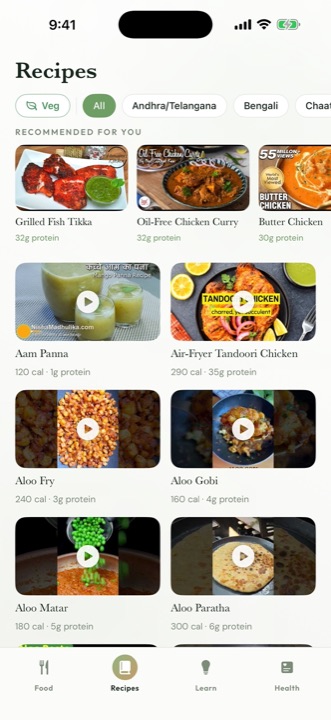
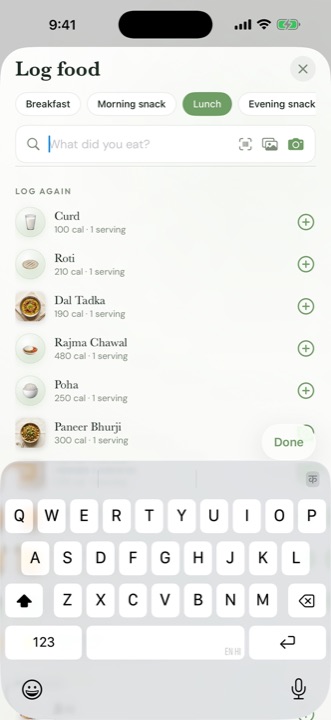
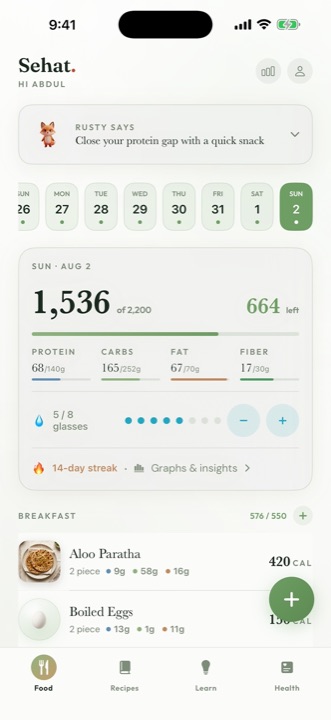
The world's most complete Indian calorie counter.
Over 10,000 foods and spellings.
Log dal, roti and biryani by voice, in Hinglish, in the portions your kitchen actually uses. An AI coach reads your day and guides you. No coaches. No calls. No spam.
Download free on the App StoreAndroid is on the way.
Macros
How to hit your protein target on a vegetarian Indian diet
The real protein sources in Indian vegetarian food, ranked, with a worked day that reaches 100 grams. Plus why dal alone will never get you there.
Nutrition
Paneer or chicken, which is the better protein?
An honest comparison of paneer and chicken on protein, fat and calories per gram of protein, plus where tofu and soya fit and why the preparation matters more.
Recipes
Paneer recipes that keep the protein and lose the cream
Why restaurant paneer runs so heavy, how to cook paneer so it stays soft, and six real recipes that keep paneer as the hero without the cashew and cream load.